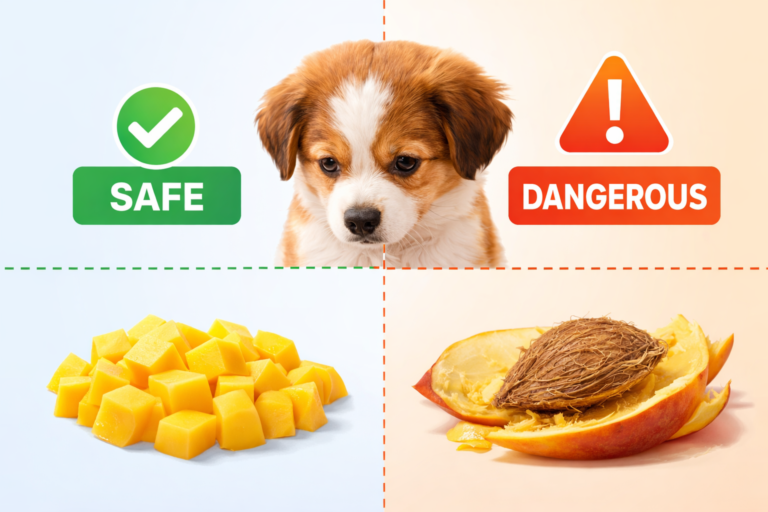
Can Dogs Safely Eat Oranges? Here’s What You Should Know

As a dog owner, I’ve always been careful about what treats I give my dog, especially fruits. Oranges, packed with vitamins, seemed like a healthy option, but I quickly realized they can cause digestive issues if not fed properly. It’s important to know the risks, such as the toxicity of peels and seeds, before offering them.
In my experience, many dog owners unknowingly give their pets harmful fruits. That’s why understanding how to safely feed oranges and recognizing potential risks is crucial. In this article, I’ll share what I’ve learned to ensure your dog stays safe while enjoying an occasional orange.
Can Dogs Eat Oranges?
Feeding oranges to your dog can be a good treat in moderation. However, it’s essential to remove the peel as it can contain contaminants harmful to your pup. Always cut the orange into small segments for easy digestion.

Before serving, make sure to rinse the fruit under running water to remove any dirt. Don’t feed your dog the peel, as it can cause digestive issues. You can store leftover oranges in the fridge to keep them fresh for the next day.
When feeding oranges, offer them in small portions and always check for any signs of discomfort. If your dog enjoys it, feel free to share this fresh fruit occasionally, but ensure it doesn’t become a regular part of their diet.
Can Dogs Eat Avocado?
Feeding avocado to your dog requires some caution. While avocados have many beneficial nutrients, the pit and skin contain persin, which can be harmful. Only feed small amounts of the flesh and avoid the other parts of the fruit to keep your dog safe.
Nutritional Value
- Potassium: Supports heart and muscle function.
- Vitamin C: Helps with immune system health and oxidative stress prevention.
- Fiber: Supports digestive health and bowel function.
- Healthy Fats: Beneficial for overall muscle and organ health.
- Antioxidants: Help to fight off free radicals and reduce inflammation.
Health Benefits
- Promotes healthy heart and muscle function.
- Aids in digestion and promotes regular bowel movements.
- Reduces inflammation and supports the liver in detoxifying.
- Antioxidants help reduce oxidative stress and support cell health.
- Contributes to a balanced diet, providing a rich source of potassium and fiber.
Even though avocados can be healthy for dogs, it’s essential to feed them in moderation and only offer the flesh. Always remove the pit and skin to avoid risks.
Can Dogs Eat Oranges?
Feeding oranges to your dog can be a healthy treat when done in moderation. While oranges provide great vitamins and fiber, overfeeding can lead to various health issues. It’s important to feed your dog small, manageable portions to avoid any potential risks.
Risks of Overfeeding

- High sugar content can lead to overweight or diabetes.
- Spikes in insulin levels may occur, causing a disturbance in blood sugar regulation.
- Calories from too many oranges could contribute to an unbalanced diet.
- Citrus acid can upset the stomach, leading to discomfort.
Potential Side Effects
- Vomiting or diarrhea due to overconsumption.
- Irritation in the digestive system from oils in the peel.
- Risk of intestinal blockages from seeds or excessive fruit.
- Stomach upset from the acidic nature of oranges.
Even though oranges can be a healthy treat, it’s crucial to feed them in moderation. Always remove the peel and seeds to avoid any digestive risks.
Can Dogs Eat Orange Peels?
Feeding your dog the peels of oranges is not recommended. The peels contain toxic compounds that can be harmful to your dog’s digestive system. Orange peels are difficult for dogs to digest and can cause blockages in their digestive tract.

In extreme cases, the blockage may require surgery. Always remove the peel and seeds before offering any orange to your dog. Stick to the fleshy part of the fruit to keep them safe.
Can Dogs Drink Orange Juice?
Giving your dog orange juice is not the best idea. While it might seem refreshing, orange juice contains citric acid and sugars that can be harmful to your dog’s health. Concentrated juice can upset their stomach, leading to discomfort and digestive issues. Additionally, the high sugars can interfere with your dog’s ability to stay hydrated and might even contribute to weight gain. It’s always better to provide your dog with fresh water to keep them hydrated and healthy. Avoid giving orange juice to your dog, as it is not a recommended way to quench their thirst.
How Much of an Orange Can Dogs Eat?
Feeding oranges to your dog can be a healthy treat, but it’s important to follow the right guidelines. Portion control is key, as too much can upset your dog’s stomach. The amount of orange you feed depends on your dog’s size and health.
Recommended Serving Size
- Small dogs: A small segment of orange.
- Medium dogs: A couple of segments.
- Large dogs: A few segments (but not too many).

| Dog Size | Recommended Orange Serving |
|---|---|
| Extra-Small (e.g., Yorkies) | A few small pieces |
| Small (e.g., Beagles) | 1-2 small pieces |
| Medium (e.g., Border Collies) | A few small pieces |
| Large (e.g., Labradors) | A few segments, but not too many |
| Extra-Large (e.g., Saint Bernards) | A moderate serving, in moderation |
How to Safely Feed Oranges to Dogs
- Remove the peel and seeds before feeding.
- Cut the orange into small portions for easy digestion.
- Offer oranges as an occasional treat, not as a regular food source.
- Ensure the orange is fresh and free of contaminants.
- Monitor your dog for any signs of discomfort after eating oranges.
Make sure to feed oranges in moderation and watch your dog’s reaction. Always keep orange portion control in mind for the best results.
Can Puppies Eat Oranges?
Feeding oranges to a puppy is not ideal, especially when they are young. Puppies have a sensitive stomach, and the high sugar and citrus acid in oranges can cause an upset stomach.

Since their digestion system is still developing, they are prone to digestive issues, and the fruit can be too solid for them. If you choose to offer oranges, make sure it’s in small portions and monitor your puppy for any discomfort.
What Are the Risks of Feeding Dogs Oranges?
Feeding oranges to your dog may seem like a healthy treat, but it can lead to several health issues if not done properly. It’s important to be aware of the potential risks when offering oranges to your dog.
Common Health Issues
- Stomach upset and diarrhea due to the acidic nature of oranges.
- Gastrointestinal problems such as bloating and gas.
- Toxicity from the orange peel, which contains harmful oils.
- Allergic reactions in dogs sensitive to citrus fruits.
| Dog Size | Recommended Orange Serving |
|---|---|
| Extra-Small (e.g., Yorkies) | A few small pieces |
| Small (e.g., Beagles) | 1-2 small pieces |
| Medium (e.g., Border Collies) | A few small pieces |
| Large (e.g., Labradors) | A few segments, but not too many |
| Extra-Large (e.g., Saint Bernards) | A moderate serving, in moderation |
How to Avoid These Risks
- Remove the peel and seeds before feeding oranges to your dog.
- Offer oranges in moderation to prevent overconsumption.
- Always give orange flesh in small portions to avoid digestive issues.
- Consult a veterinary care professional before adding fruit to your dog’s diet.
By being mindful of the portion size and preparing oranges safely, you can offer your dog a healthy treat without the risk of health issues.
Can Dogs Have Orange Seeds?
Feeding orange seeds to your dog can cause serious risks, so it’s important to be cautious. Orange seeds can pose a choking hazard and lead to dog health risks if not removed properly. It’s always better to prepare oranges carefully before offering them to your dog.
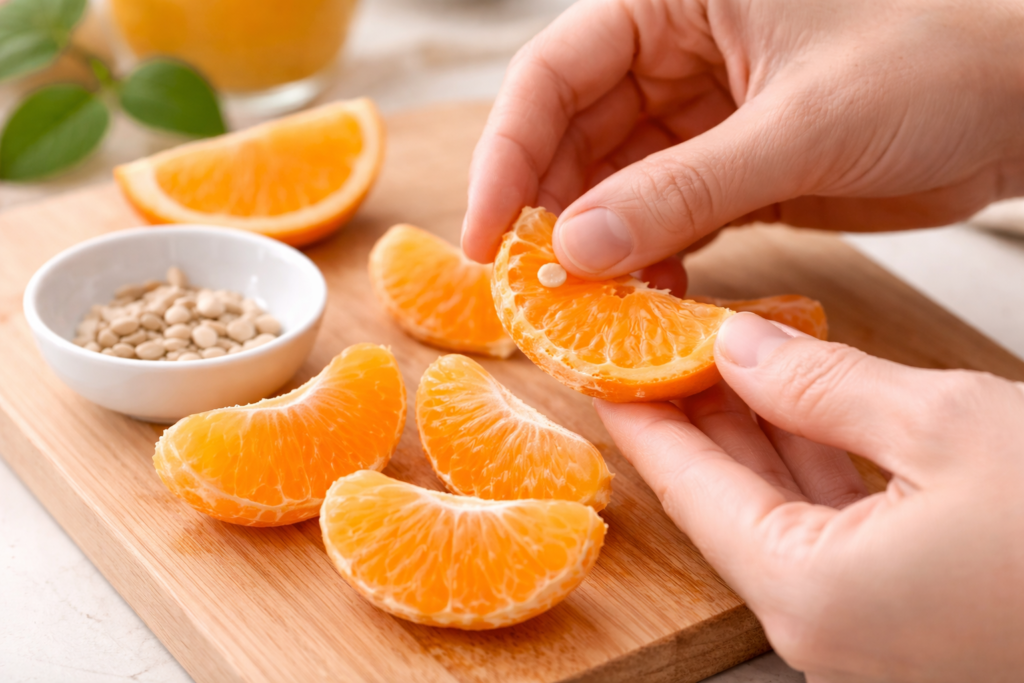
The Danger of Seeds to Dogs
- Choking hazard due to the size and hardness of the seeds.
- Can cause blockages in the gastrointestinal tract.
- Toxicity from certain compounds in orange seeds can irritate the digestive system.
- May lead to digestive issues such as vomiting or diarrhea.
How to Prepare Oranges Safely for Dogs
- Remove all orange seeds before feeding your dog.
- Peel the orange and cut it into small, manageable portions.
- Only give the flesh of the orange and avoid the peel and seeds.
- Offer oranges in moderation to avoid overfeeding.
By carefully removing seeds and preparing oranges correctly, you can ensure your dog enjoys this treat without the risk of health issues. Always be mindful of dog food safety when introducing any new fruit.
How Many Oranges Can a Dog Eat?
When feeding oranges to your dog, it’s essential to follow the general guidelines for safe consumption. Oranges can be a dog-safe treat, but they should only be given in small portions to avoid excess sugar and calories. Depending on your dog’s size, the number of oranges you can offer varies. For example, a small dog like a Yorkie or Pomeranian can have just a couple of small pieces, while larger dogs like a German Shepherd or Pit Bull can have a little more.
How Much Orange Can Dogs Eat by Size
- Extra-small dogs (like Yorkies or Chihuahuas): Limit to a few small pieces.
- Small dogs (like Pomeranians or Beagles): One or two small pieces is fine.
- Medium dogs (like Border Collies or Mini Australian Shepherds): A few small pieces per day.
- Large dogs (like Labs or German Shepherds): You can give them a larger serving, but still in moderation.
- Extra-large dogs (like Saint Bernards or Newfoundlands): A moderate serving of orange is okay, but keep the portion small.
Tips for Feeding Oranges Safely
- Only give oranges as a treat, not a regular part of their diet.
- Remove the peel and seeds before feeding to avoid digestive issues.
- Always feed in small amounts to prevent upset stomach or other symptoms like diarrhea or vomiting.
By sticking to these proportions based on your dog’s breed and size, you can safely feed them oranges without affecting their overall health. Always monitor for signs of discomfort, and consult your veterinarian if you’re unsure about the right amount.
Can Dogs Have Other Types of Citrus?
Feeding citrus fruits like lemons, limes, or grapefruits to your dog can be harmful. These fruits contain compounds that may lead to citrus toxicity and cause various health issues. It’s best to avoid giving your dog these fruits to ensure their well-being.
Citrus Fruits and Their Effects on Dogs
- Lemons and dogs: Can cause severe toxicity and digestive issues.
- Limes and dogs: Known to lead to stomach upset and vomiting.
- Grapefruits and dogs: Can result in poisoning, leading to symptoms like diarrhea.
- Citrus fruits in general may cause allergic reactions in some dogs.
- Citrus toxicity can lead to a loss of appetite and overall discomfort.
It’s important to avoid citrus fruits in your dog’s diet and offer safe fruits instead. Always check with your veterinarian if you have any concerns about introducing new foods.
Orange Allergies in Dogs: What to Watch Out For
Some dogs may have orange allergies, which can cause unpleasant reactions. Citrus fruits like oranges can trigger an allergic reaction to oranges in dogs. The symptoms of orange allergies in dogs can range from mild to severe, affecting their dog health. It’s important to watch for signs of allergic reactions after feeding your dog oranges.
Symptoms of Orange Allergies in Dogs
- Vomiting or diarrhea after consuming oranges.
- Licking or scratching the mouth area.
- Swelling or redness around the lips or face.
- Loss of appetite or lethargy.
- Itchy skin or hives in some cases.
If you notice any of these dog allergy symptoms from oranges, stop feeding them oranges and consult a veterinary care professional. To prevent allergic reactions in dogs, it’s best to avoid citrus fruits in their dog food altogether. Always ensure you’re offering dog food that is safe and suitable for their needs.
Serving Suggestions for Feeding Dogs Oranges
Feeding oranges to your dog can be a healthy treat when served properly. Start by washing the orange, peeling it, and removing the seeds to avoid any health risks. Cut the fruit into bite-sized pieces to make it easy for your dog to eat.
Creative Ways to Serve Oranges to Dogs
- Freeze small orange slices to make a refreshing pupsicle.
- Blend oranges with other fruits like bananas and blueberries for a smoothie.
- Serve orange slices as a treat in a toy dispenser for a fun snack time.
- Chop orange pieces and mix them into your dog’s food or as a topper.
Ideas for Incorporating Oranges into Dog Treats
- Mash oranges and mix them with unsweetened yogurt for a healthy snack.
- Add orange slices to homemade dog ice cream or dehydrated treats.
- Mix orange pieces with other safe fruits like apples and strawberries for a colorful, nutritious treat.
- Use oranges as an occasional flavor boost in homemade dog recipes.
By offering oranges in these fun and creative ways, you can make snack time both enjoyable and healthy for your dog. Always remember to serve in moderation and keep an eye on your dog’s reaction to new treats.
Which Fruit Is Most Toxic to Dogs?
Certain fruits are more dangerous for dogs than others. While oranges are relatively safe in small amounts, grapes, raisins, and currants are some of the most toxic fruits for dogs. These fruits can cause kidney failure and even lead to death in some cases. It’s important to compare the level of risk these fruits carry compared to others.
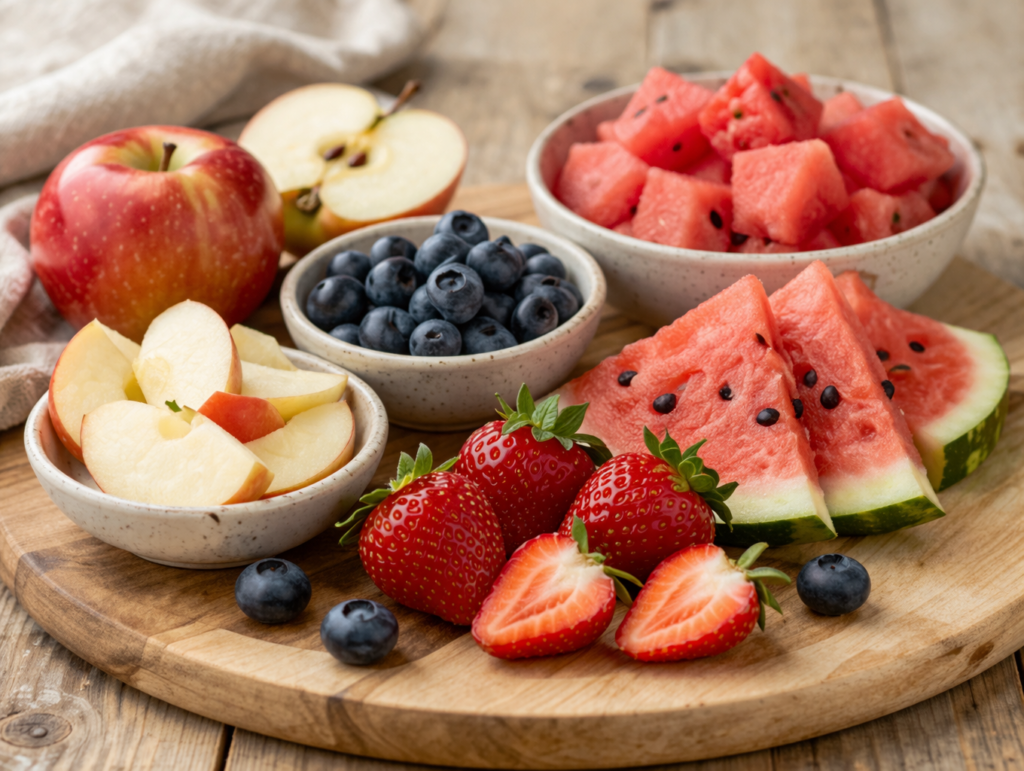
List of Fruits That Should Be Avoided
- Grapes and raisins: Can lead to kidney failure.
- Currants: Similar risks as grapes.
- Tomatoes: Unripe green tomatoes, seeds, stems, and leaves contain toxins.
- Citrus fruits (like lemons, limes, and grapefruits): Can cause digestive issues and irritation.
To keep dogs safe from toxic fruits, always ensure that any fruit offered is safe and doesn’t contain harmful parts. If your dog eats something unsafe, contact your veterinarian immediately.
Takeaway Summary or Key Points Box
A brief, bulleted takeaway summary would help readers quickly grasp the key points without reading through the entire article again. For example:
Key Takeaways:
- Oranges can be a healthy treat for dogs in moderation.
- Remove the peel and seeds before feeding.
- Watch for any signs of discomfort like vomiting or diarrhea.
- Avoid overfeeding to prevent digestive issues and weight gain.
- Always feed in small portions based on your dog’s size.
This would be helpful for readers who just want the essentials.
Frequently Asked Questions:
Why Are Dogs Attracted to Oranges?
Dogs may love oranges due to their sweet, tangy taste and juiciness. The citrus scent and natural sugars can make them appealing to your dog, but it’s important to offer them in moderation.
Are Oranges Toxic to Dogs?
No, oranges are not toxic to dogs when fed in small amounts. However, the peel and seeds should be removed, as they can cause digestive issues.
Can Dogs Eat Raw Oranges?
Yes, dogs can eat raw oranges as long as you remove the peel and seeds. Serve them in small, manageable pieces to prevent any digestive upset.