
Health & Digestive Issues
Browse Dog Eat Guide articles in Health & Digestive Issues, with practical information about dog food safety, feeding, preparation, and everyday care.
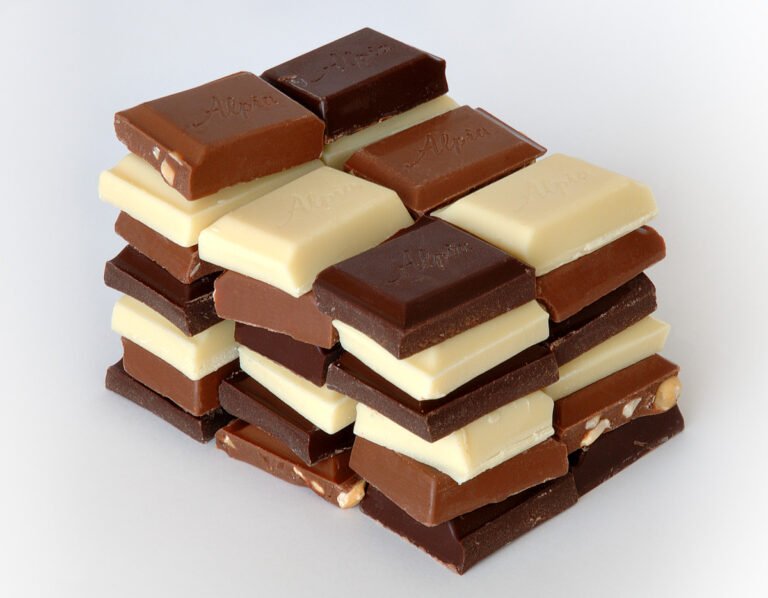
Why Can’t Dogs Eat Chocolate? Causes, Risks & What to Do
Dogs should not eat chocolate because cocoa contains theobromine and caffeine, substances dogs metabolize more slowly than humans. These can disturb the heart and nervous…
Read guide →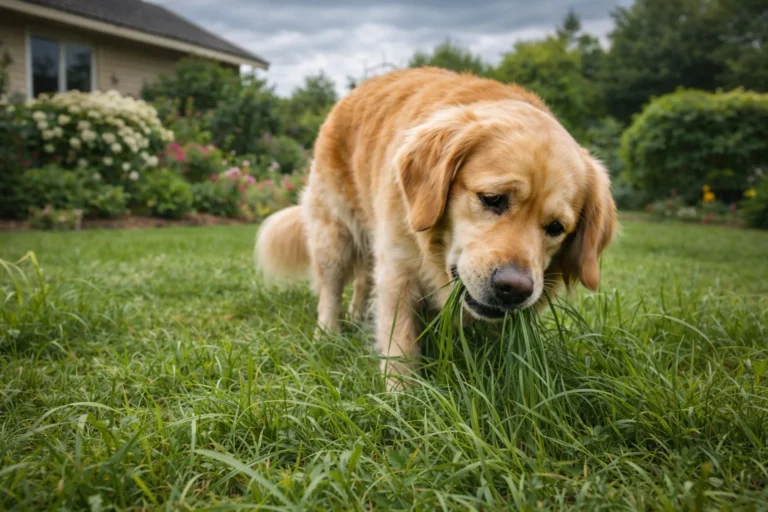
Why Do Dogs Eat Poop? Causes, Risks & What to Do
Dogs may eat poop (coprophagia) because of curiosity, scavenging habits, attention-seeking, stress, or sometimes an underlying medical condition. Puppies may explore feces, and nursing mothers…
Read guide →
Why Do Dogs Eat Their Own Poop? Causes, Risks & What to Do
A dog may eat its own poop because of a learned habit, stress, attention-seeking, or exploration. Occasionally, increased hunger or a digestive or other medical…
Read guide →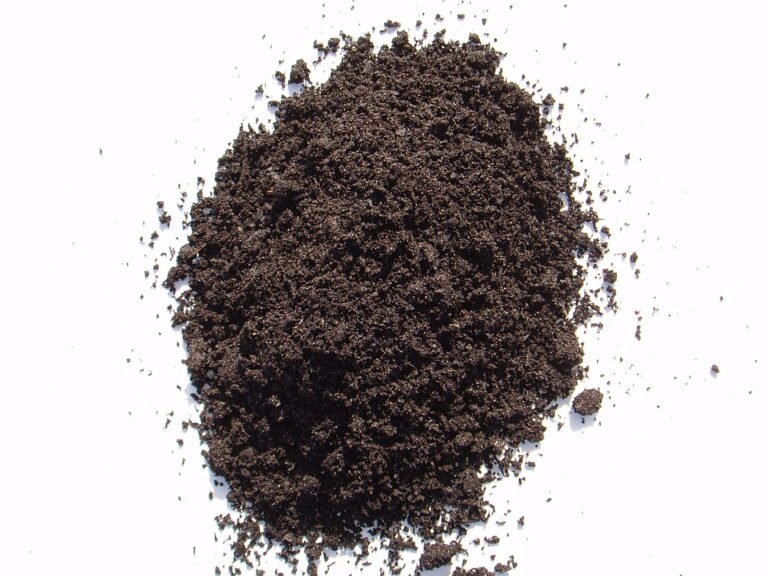
Why Do Dogs Eat Dirt? Causes, Risks & What to Do
Dogs may eat dirt because of curiosity, boredom, stress, or pica (repeatedly eating nonfood material). In some dogs it can accompany anemia, digestive illness, increased…
Read guide → Why Do Dogs Eat Cat Poop? Causes, Risks & What to Do
Dogs may eat cat poop because its smell attracts them, and repeated access to a litter box can establish a scavenging habit. Boredom, stress, or…
Read guide →
Why Do Dogs Eat Bones? Causes, Risks & What to Do
Dogs are attracted to bones because chewing is a natural behavior and bones can carry appealing smells and flavors. But wanting to chew a bone…
Read guide →
Xylitol Poisoning in Dogs: Act Before Symptoms
Suspected xylitol poisoning in dogs needs immediate professional advice. Contact your veterinarian, an emergency veterinary clinic or animal poison...
Read guide →Why Dogs Eat Things They Should Not: Next Steps
Dogs may mouth, chew or swallow unsuitable things for different reasons, and one behavior does not establish a diagnosis....
Read guide →
Why Do Dogs Eat Grass? Common Reasons and Warning Signs
Why do dogs eat grass? Dogs may eat grass because they enjoy its taste or texture, are exploring, or...
Read guide →