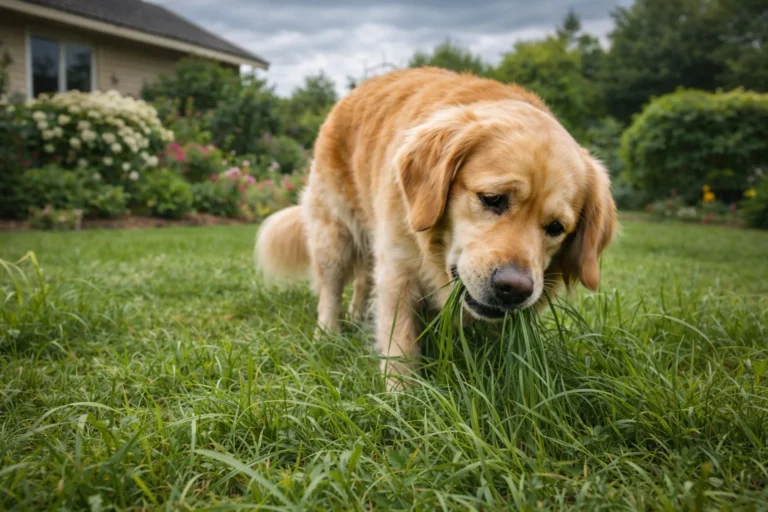
Xylitol Poisoning in Dogs: Act Before Symptoms
Suspected xylitol poisoning in dogs needs immediate professional advice. Contact your veterinarian, an emergency veterinary clinic or animal poison...
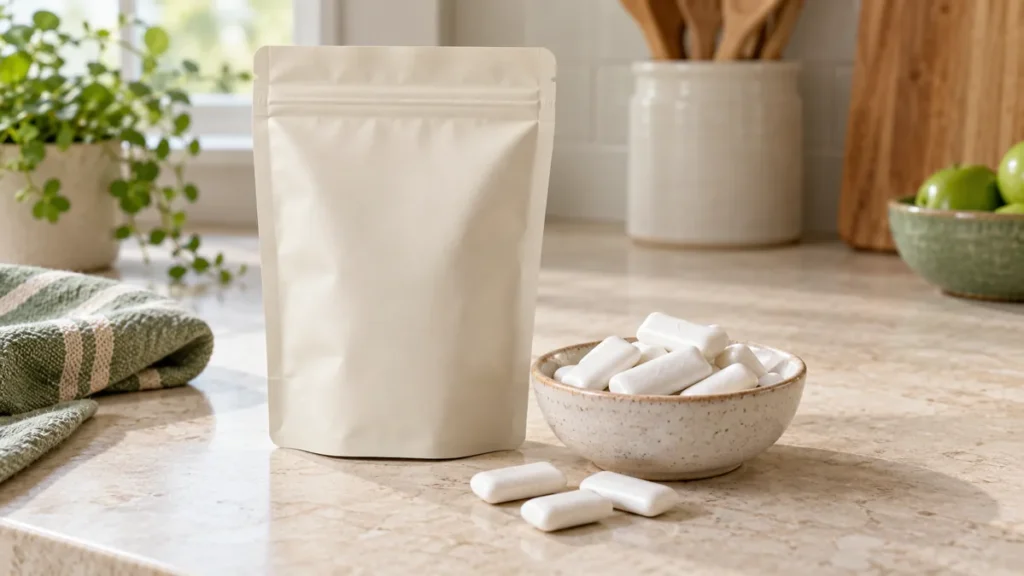
Suspected xylitol poisoning in dogs needs immediate professional advice. Contact your veterinarian, an emergency veterinary clinic or animal poison control if your dog may have eaten a product containing xylitol. Do not wait for symptoms or use a home dose calculation to decide whether to call.
Xylitol is a sweetener used in food and other household products. The Merck Veterinary Manual describes dangerous low blood sugar and possible liver injury following ingestion in dogs.
Where Xylitol Can Be Hidden
Check the actual ingredient list, not just the product category. The FDA’s xylitol safety information lists products ranging from gum and sweets to oral-care items, medicines and supplements. Alternative labeling can include birch sugar or wood sugar.
| Product area | What to keep for the assessment |
|---|---|
| Gum, mints or candy | Brand, flavor, package size and pieces possibly missing. |
| Nut butter or baked food | Ingredient list or recipe and approximate amount eaten. |
| Medicines and supplements | Exact formulation, strength and container. |
| Toothpaste or oral-care products | The actual tube or bottle, not a remembered brand name. |
A sugar-free label is a reason to investigate the ingredients; it does not mean every such product contains xylitol. Conversely, a familiar jar or a different flavor in the same range still needs its own check.
Why Looking Well Is Not a Safety Test
Merck notes that signs can appear quickly or be delayed depending on the product, and liver injury may appear later. Signs can include vomiting, weakness, poor coordination, lethargy or seizures. Do not wait to see which signs develop before seeking advice.
A professional needs the exposure history, not just a description of how the dog looks at one moment. Report the product even if your dog is playing normally when you discover the open package.
Organize the First Call
- Move the product out of reach and keep other animals away.
- Call veterinary help promptly.
- Read or photograph the ingredient label.
- Estimate the amount missing and when access occurred.
- Provide your dog’s approximate weight and relevant health information.
- Describe any current signs and anything you have already given the dog.
For gum, distinguish pieces missing from the package from pieces you know another person used. For a homemade recipe, keep the original sweetener package and note how much went into the batch. Say when a number is an estimate.
The ASPCA’s explanation of poison-control calls emphasizes the value of product and exposure details. If your regular practice is closed, contact an emergency clinic rather than waiting for it to reopen.
Avoid Home Treatment Decisions
Do not attempt to induce vomiting, give medicine or use a household food as an antidote without professional direction. A treatment appropriate for one exposure may be unsuitable for another product or for a dog showing different signs.
If veterinary care is recommended, bring the packaging. Ask the team to explain the monitoring and follow-up plan before leaving. Write down instructions and use the clinic’s contact details if anything is unclear afterward.
Make Label Checks Part of the Routine
Keep gum and mints in closed storage, including when they are inside handbags or backpacks. Put medicines and dental products away immediately after use. Give guests and children the same simple rule: never share a product with the dog without checking first.
For planned enrichment, read the nut-butter label every time you replace a jar. Keep the amount measured and use only a product appropriate for your dog’s diet. Our cracker guide provides another example of why a packaged food needs its own assessment.
Frequently Asked Questions
Does sugar-free always mean xylitol?
No. Read the full ingredient list. If you cannot identify what was eaten, tell the veterinary professional rather than assuming it is safe.
Should I calculate the amount myself?
Collect the information, but let the veterinary team interpret it. Do not delay the call while trying to estimate ingredient concentration.
Where should I seek help?
Use your veterinarian, an emergency veterinary clinic or animal poison control. Our veterinary-help guide explains the boundary between general reading and individualized care.
Sources