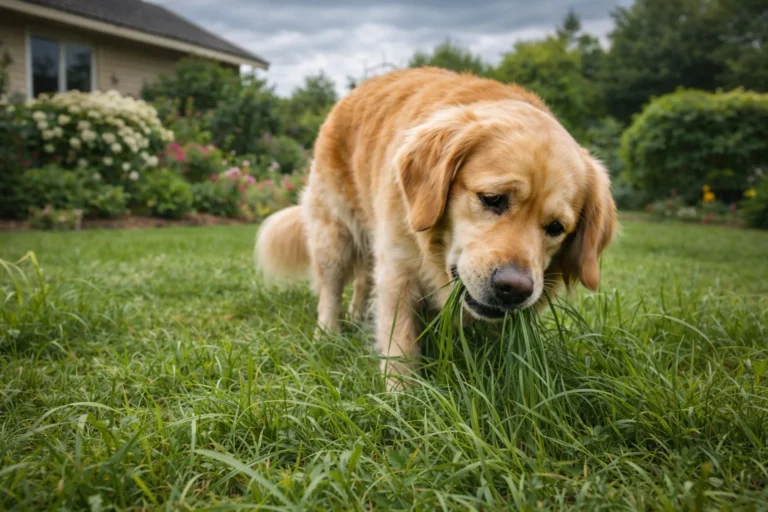
Why Do Dogs Eat Dirt? Causes, Risks & What to Do
Dogs may eat dirt because of curiosity, boredom, stress, or pica (repeatedly eating nonfood material). In some dogs it can accompany anemia, digestive illness, increased appetite, or an unbalanced diet.
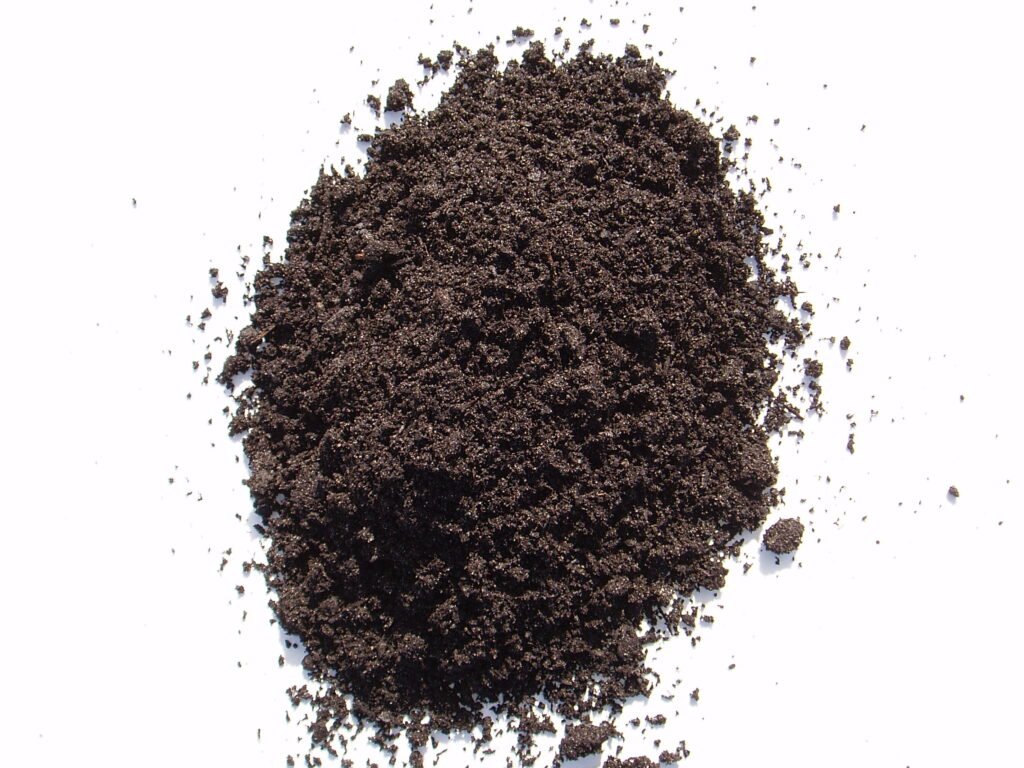
Why do dogs eat dirt? Dogs may eat dirt because of curiosity, boredom, stress, or pica (repeatedly eating nonfood material). In some dogs it can accompany anemia, digestive illness, increased appetite, or an unbalanced diet. Understanding why the behavior happens is the first step toward keeping your dog safe and deciding when veterinary help is needed.
Why Do Dogs Eat Dirt?
Dogs may eat dirt because of curiosity, boredom, stress, or pica (repeatedly eating nonfood material). In some dogs it can accompany anemia, digestive illness, increased appetite, or an unbalanced diet.
A few curious licks are different from repeatedly swallowing soil. Do not assume dirt eating always indicates a mineral deficiency; a veterinarian can investigate medical and behavioral possibilities.
Is This Behavior Normal?
Dogs explore their environment with their noses and mouths, but a common behavior is not necessarily safe. Look for changes in frequency, appetite, energy, and stool. A few curious licks are different from repeatedly swallowing soil. Do not assume dirt eating always indicates a mineral deficiency; a veterinarian can investigate medical and behavioral possibilities.
Potential Health Risks
Soil may contain parasites, fertilizer or pesticide residues, stones, and sharp debris. Larger quantities can cause digestive irritation or an intestinal blockage.
Severity depends on what and how much was swallowed and the dog’s size and health. If the dog develops repeated vomiting, severe abdominal pain, marked lethargy, breathing problems, or collapse, obtain urgent veterinary care.
How to Stop or Prevent It Safely
Supervise outdoor play, redirect with reward-based training, provide safe enrichment, and block access to contaminated soil. Seek veterinary evaluation if the behavior recurs or starts suddenly.
- Limit access to the tempting material whenever possible.
- Supervise your dog in situations where the behavior occurs.
- Use positive reinforcement to reward leaving the material alone.
- Provide appropriate food, routine exercise and mental stimulation.
- Arrange a veterinary check if the behavior is repeated, sudden, or accompanied by symptoms.
When Should You Contact a Veterinarian?
Consult a veterinarian promptly when symptoms develop or a dangerous material was swallowed. Do not try home remedies or induce vomiting without veterinary direction.
Related Dog Eat Guide Articles
For related guidance, see grass-eating behavior in dogs and when to get veterinary help.
Key Takeaway
Dogs may eat dirt because of curiosity, boredom, stress, or pica (repeatedly eating nonfood material). In some dogs it can accompany anemia, digestive illness, increased appetite, or an unbalanced diet. Keep the dog safe, address access and behavior without punishment, and involve a veterinarian when there are symptoms or persistent changes.
By Dog Eat Guide Editorial Team. This educational article is not a substitute for individualized veterinary advice.
Veterinary References