
Can Dogs Eat Avocados? The Safety and Health Benefits Explained
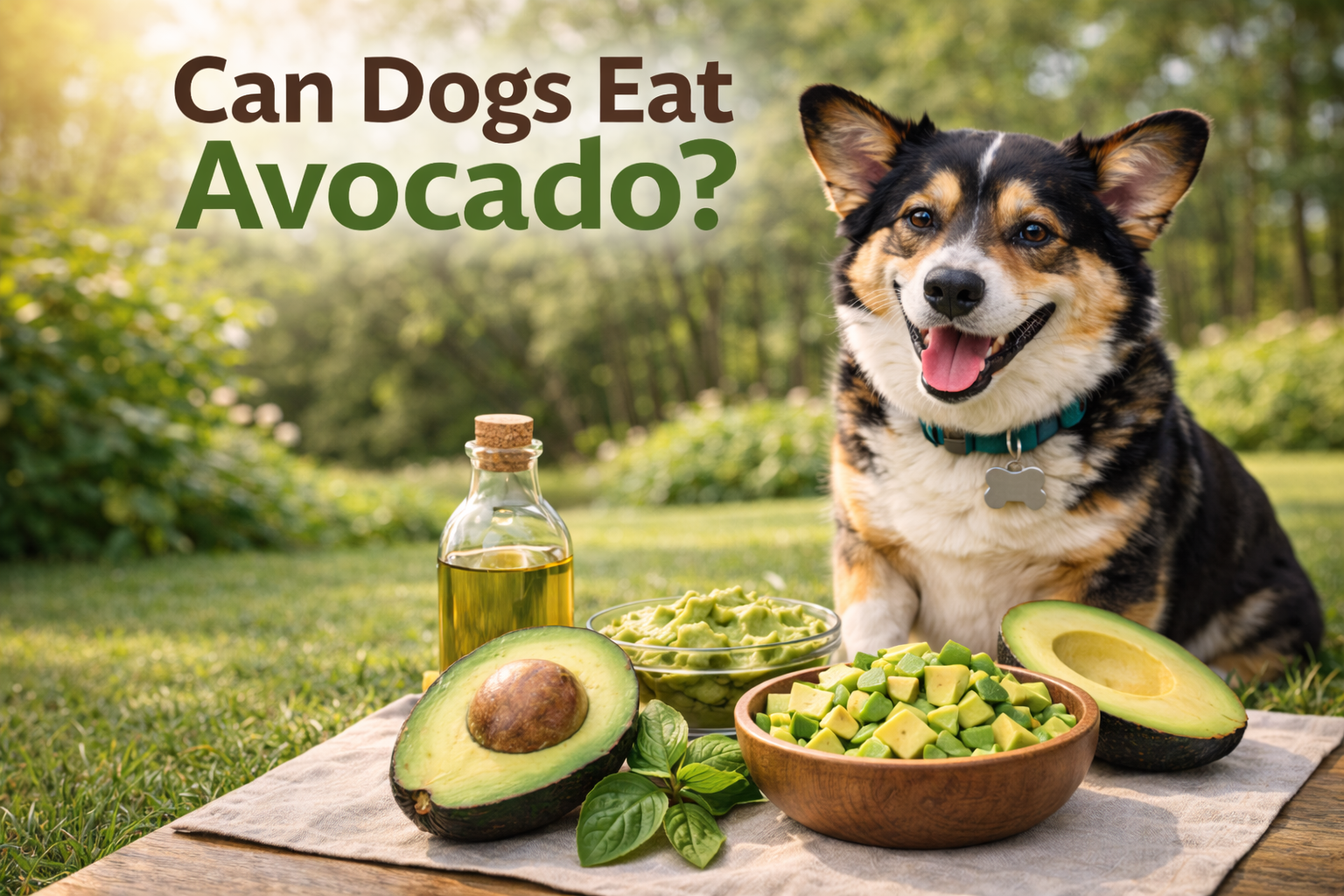
If your dog has eaten avocado, don’t panic just yet. It’s essential to understand the risks and know exactly how much avocado is safe. With a few simple precautions, you can ensure your dog stays healthy while enjoying occasional treats. However, consuming too much avocado can lead to symptoms like vomiting, diarrhea, and even more severe health complications. We’ve got you covered with practical advice on how to keep your dog safe, what to do if they eat too much, and healthier alternatives that can be just as delicious!
Can Dogs Eat Avocado?
When it comes to dogs and avocado, there are some health risks to consider. While the flesh of the ripe fruit is generally safe in small amounts, other parts, like the skin, pit, and leaves, can be harmful due to a fungicidal toxin called persin, which can cause health issues in pets. Ingestion of large amounts or unripe avocado can lead to toxicity or even death in extreme cases. Therefore, it’s best to offer caution and avoid giving dogs avocado, especially without veterinary advice. Large animals, like cows, are more resistant to these toxins, but dogs are not, making avocado a food to avoid for dogs. For safer alternatives, consider safer fruits that are not associated with such potential hazards.
Are Avocados Good for Dogs?

Avocados contain several health benefits like potassium, magnesium, and vitamins such as B6, C, and K that can support heart health, bone health, and energy levels in dogs. The pulp of the avocado, when given in moderation, provides antioxidants and fatty acids that may promote a shiny coat and healthy skin. However, health risks come from the pit and fat content, which can contribute to issues like pancreatitis if consumed in large amounts. It’s important to offer avocados in moderation and consider other foods that provide similar nutrients without the potential dangers.
Are Avocados Bad for Dogs?
Avocados can be harmful to dogs if consumed in large amounts. While the flesh is generally nontoxic, the pit, peels, and leaves contain persin, a toxin that can lead to serious health issues like gastrointestinal upset or even pancreatitis. It’s important to be cautious when giving avocados to your dog to avoid potential risks.
Steps to Keep Your Dog Safe:
- Limit intake: Only offer small amounts of avocado flesh.
- Avoid the pit and peels: These contain toxin that can cause dangerous reactions.
- Watch for symptoms: If your dog shows signs like vomiting, diarrhea, or lethargy, contact a veterinarian immediately.
- Don’t feed frequently: Avoid making avocados a regular part of your dog’s diet due to their high fat content..
What Happens if My Dog Eats Avocado
If your dog eats avocado, it may experience symptoms like vomiting, diarrhea, or abdominal discomfort due to the persin in the flesh and pit. The high-fat content can also lead to pancreatitis, which may cause lethargy and other serious health issues. In some cases, the pit can cause a choking hazard or obstruction in the digestive tract.
Steps to Take:
- Observe symptoms: Watch for signs like vomiting, diarrhea, or lethargy.
- Contact your vet: If your dog shows severe symptoms like difficulty breathing or abdominal discomfort, call a veterinarian immediately.
- Prevent further ingestion: Keep avocado and avocado plants away from your dog to avoid future risks.
- Seek treatment: Take your dog to a vet for proper treatment and to rule out any complications like heart failure or digestive issues.
How Much Avocado Can I Give My Dog?
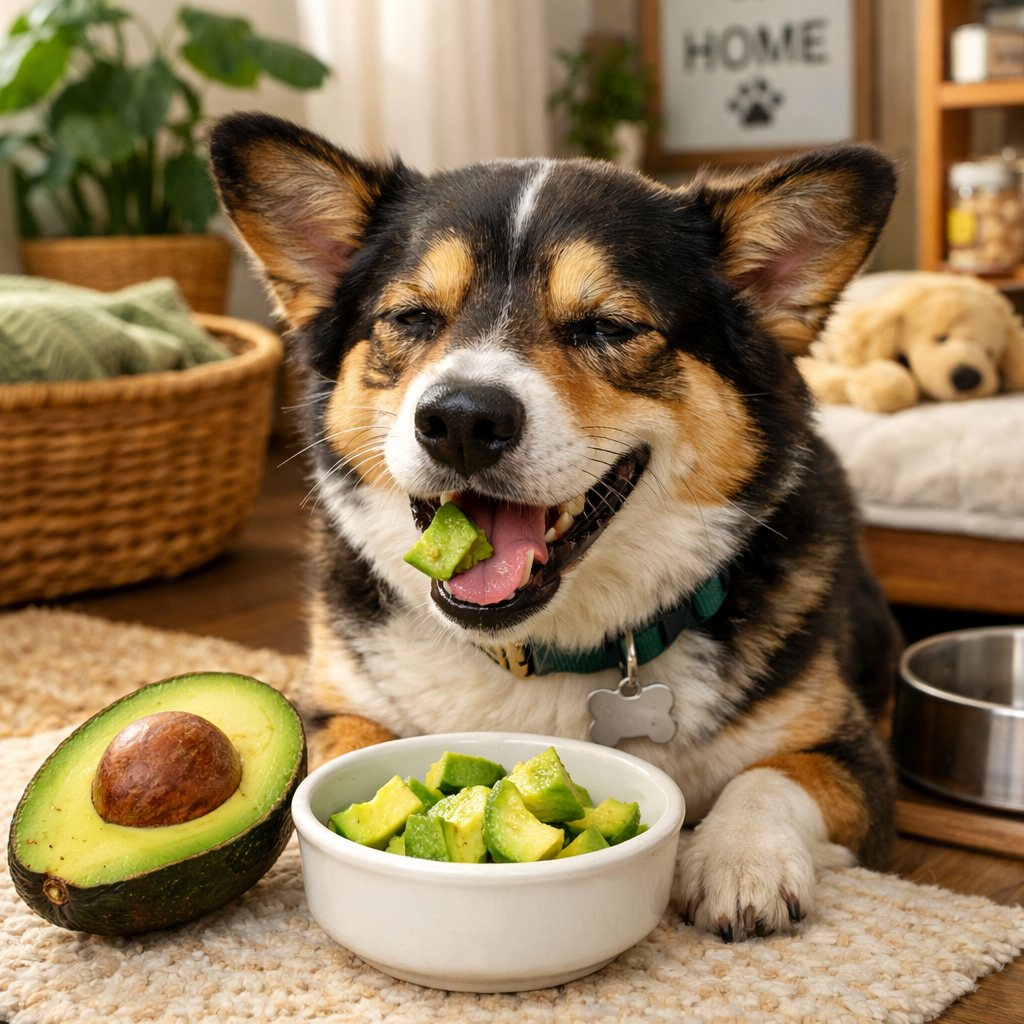
When giving avocado to your dog, it’s important to offer it in small amounts. Although it contains beneficial ingredients like healthy fats and vitamins, avocado can also cause side effects like gastrointestinal upset or pancreatitis if given in excess. It’s best to treat avocado as an occasional treat rather than a regular snack, especially since human foods can sometimes pose a risk to your dog’s health.
Steps for Giving Avocado to Your Dog:
- Consider your dog’s weight: For a small dog, start with a teaspoon of avocado, and for a larger dog, you can give a bit more.
- Use avocado as a treat: Mix it with lean protein like turkey or healthy vegetables like green beans for a well-rounded snack.
- Limit avocado intake: Don’t make it a regular part of your dog’s diet to avoid possible side effects.
- Monitor for reactions: Keep an eye on your dog for any signs of discomfort or health issues after consuming avocado.
What Parts of the Avocado Are Safe for Dogs?
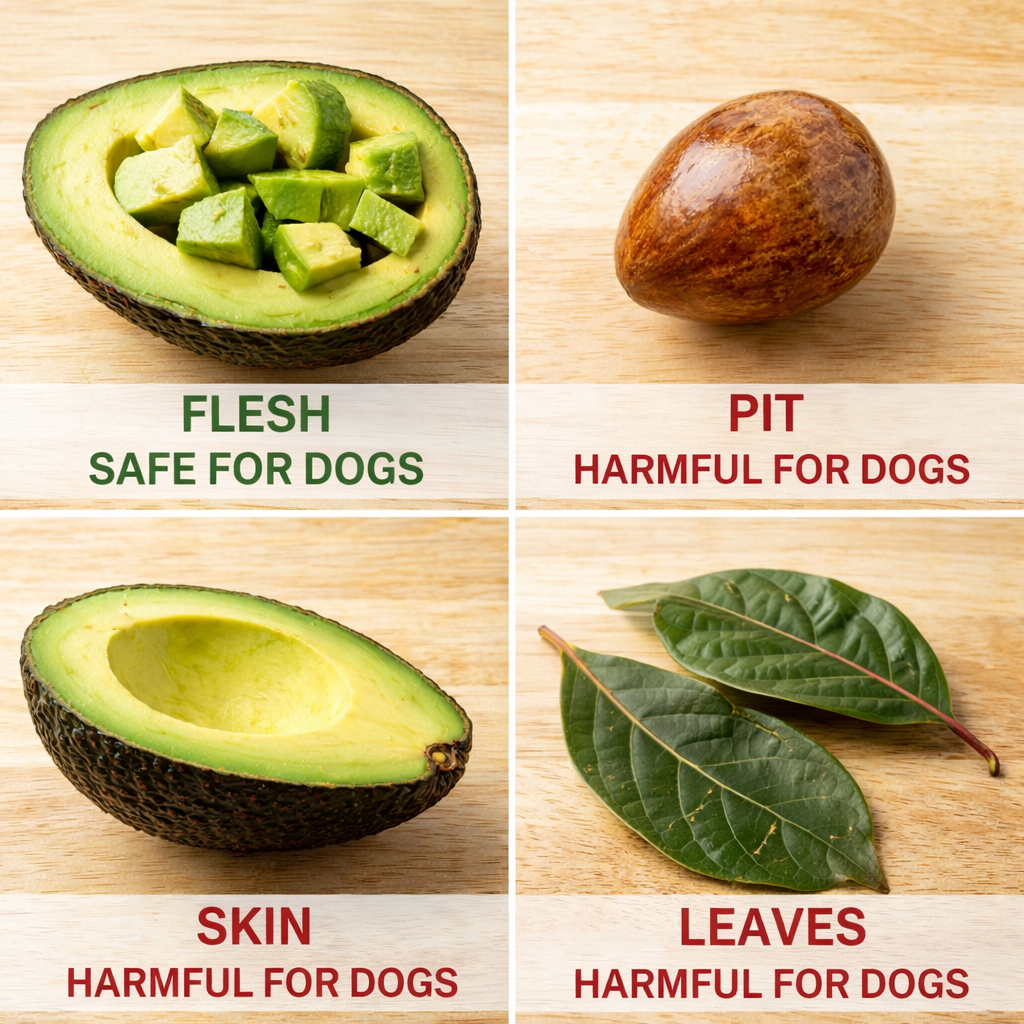
While avocado can be a healthy snack for dogs in moderation, not all parts of the avocado are safe. The flesh is the only part that is relatively safe for dogs, though it should still be given in small amounts. The pit, skin, and leaves of the avocado tree pose a significant risk due to persin, which can cause gastrointestinal discomfort and even lead to intestinal blockage or choking if swallowed.
Steps to Keep Your Dog Safe:
- Offer only the flesh: The flesh of the avocado is the only part safe for dogs to eat, and it should be given in small amounts.
- Avoid the pit and skin: The pit and skin can lead to choking or even require surgery if accidentally swallowed.
- Keep avocado tree parts out of reach: Fallen leaves, tree bark, and parts of the avocado tree contain persin and can cause toxicity.
- Monitor for symptoms: If your dog accidentally eats any unsafe parts of the avocado, watch for gastrointestinal discomfort or signs of intestinal blockage and seek immediate veterinary attention if necessary.
What Parts of the Avocado Are Unsafe for Dogs?
Certain parts of the avocado are dangerous for dogs due to the presence of persin, a toxic substance. The avocado pit, skin, and leaves can cause dog poisoning and lead to gastrointestinal issues, including vomiting and diarrhea. The avocado pit is also a choking hazard, and if swallowed, it could cause an intestinal blockage.
Steps to Keep Your Dog Safe:
- Avoid the avocado pit: It is a choking hazard and can cause obstruction or require surgery if swallowed.
- Don’t feed avocado skin or leaves: These parts contain persin, which is harmful to your dog’s digestive system and overall health.
- Consult your vet: If your dog has eaten any unsafe parts of the avocado, look for symptoms of avocado poisoning and seek vet consultation immediately.
Avocado Oil for Dogs
Avocado oil can provide some benefits for dogs, especially for skin and coat health. It contains essential fatty acids that can improve canine nutrition and promote a shiny dog coat. Many dog owners use avocado oil as a natural remedy for dry skin and dog skin issues, helping to soothe irritation and dryness. It’s also sometimes added to dog food or used in dog grooming products to support overall dog health.
Steps for Safe Use of Avocado Oil:
- Check for allergies: Always ensure your dog is not allergic to avocado oil before use. If your dog shows any signs of an avocado oil allergy, stop using it immediately.
- Use in moderation: While avocado oil benefits include improved coat shine and canine digestive health, avoid overuse as too much avocado oil can cause avocado oil toxicity.
- Consult your vet: Before adding avocado oil as a supplement or to dog food, it’s always a good idea to consult your vet to ensure it’s a safe addition to your dog’s diet.
- Monitor for toxicity: Watch for toxicity symptoms like vomiting, diarrhea, or lethargy if your dog consumes too much avocado oil. Always follow the recommended dosage for dogs.
Signs of Avocado Poisoning in Dogs
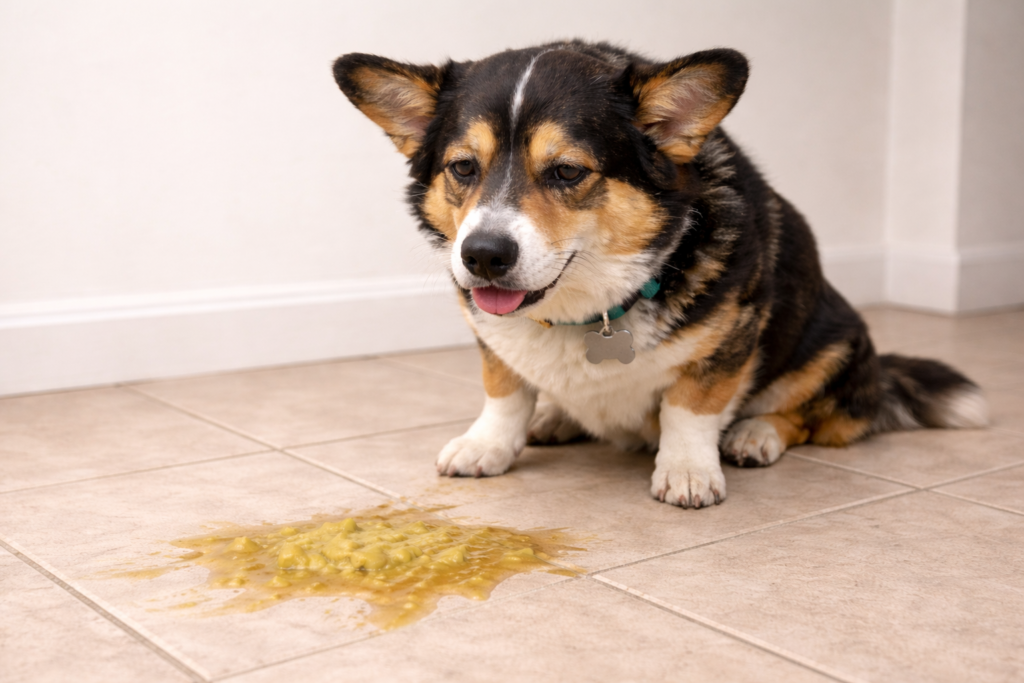
If your dog eats avocado, it may show signs of avocado poisoning in dogs. Common avocado toxicity symptoms include dog vomiting, dog diarrhea, and canine lethargy. These symptoms may occur because of persin poisoning in dogs, a toxic substance found in the avocado pit, skin, and flesh. In more severe cases, your dog may experience abdominal pain, coughing, or even difficulty breathing.
What to Do:
- Look for signs of distress: If your dog shows symptoms like vomiting, diarrhea, or lethargy, it could be due to avocado toxicity.
- Consult your vet immediately: If you suspect avocado poisoning in pets, contact your vet for medical attention and guidance.
- Prevent further ingestion: Keep avocado-related health risks in mind and avoid letting your dog ingest avocado skin or avocado pits
Alternatives to Avocado for Dogs
If you’re looking for alternatives to avocado for your dog, there are many safer options that provide great health benefits without the risks of avocado toxicity. Dog-safe fruits like carrots, blueberries, and apples are low in fat and packed with vitamins, making them a tasty and nutritious treat. Cucumbers and green beans are also excellent choices, providing a low-risk option for your dog while supporting their overall health.

Other Nutritious Treats:
- Homemade options: Plain pumpkin and sweet potato are great low-calorie fruits that support coat and skin health.
- High-protein food: Turkey, chicken, and fish are great for supporting muscle growth and can be added to your dog’s meal plan for weight management.
- Vet-approved commercial treats: Always consult your vet before offering new treats to ensure they meet your dog’s nutritional needs and don’t cause any allergies or health conditions.
Can Dogs Eat Avocado Oil?
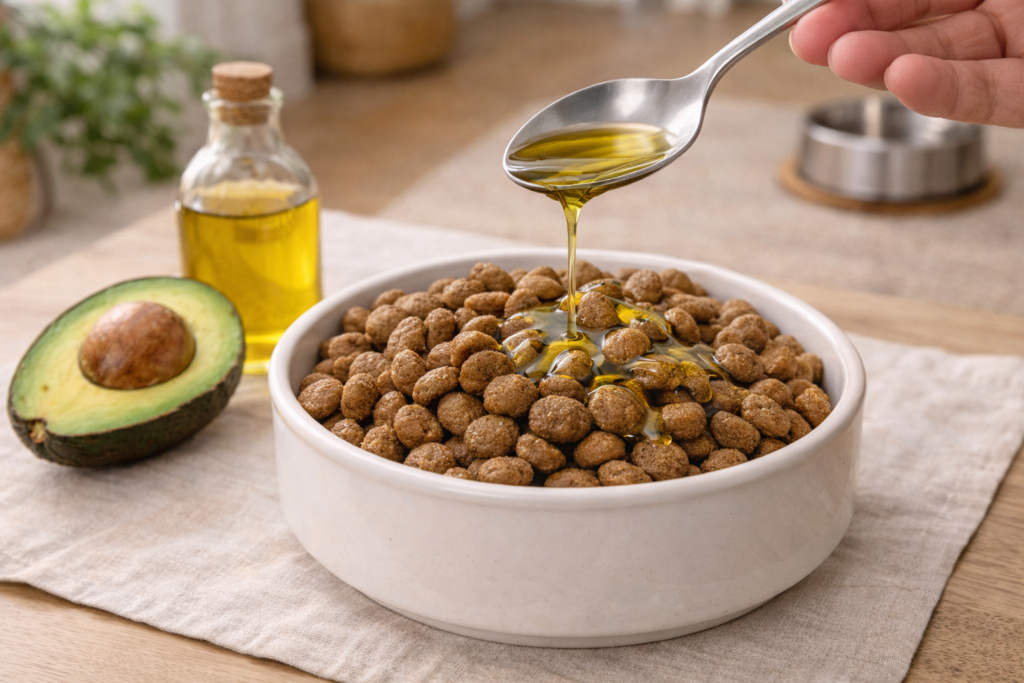
Avocado oil can be safe for dogs in small amounts and offers some health benefits, such as improving dog coat and skin health. It contains healthy fats and essential fatty acids that can support canine nutrition. However, there are risks associated with avocado oil, especially if given in excess, as it may cause avocado oil toxicity or an avocado oil allergy in dogs. Always consult your vet for proper dosage for dogs to ensure safe use and avoid any potential side effects like gastrointestinal upset or other dog health risks from avocado oil.
Can Dogs Eat Guacamole?
Guacamole is not safe for dogs due to the presence of toxic ingredients like onions and garlic, which can cause gastrointestinal upset and other health issues. While mashed avocados themselves are not harmful in small amounts, guacamole typically contains lime, citric acid, and other ingredients that can lead to complications such as high fat content, which may contribute to obesity or joint stress. For a healthy diet, it’s best to avoid feeding your dog guacamole and stick to high-quality foods with real ingredients, such as high-quality proteins, vegetables, and fruits.
My Dog Ate Too Much Avocado What Do I Do?
If your dog eats too much avocado, it may experience vomiting, diarrhea, or abdominal discomfort. This can be due to the high fat content and persin in the avocado, leading to pancreatitis or other life-threatening conditions. In rare cases, the pit can pose a choking hazard. It’s important to monitor your pet closely for signs of distress over the next 24–48 hours and seek proper treatment if symptoms worsen.
Steps to Take:
- Monitor for symptoms: Watch for vomiting, diarrhea, or abdominal discomfort.
- Contact a veterinarian: If the symptoms are severe or if your dog is showing mild signs of distress, reach out to a veterinarian immediately.
- Visit an emergency facility: If your dog is showing life-threatening signs like choking, difficulty breathing, or severe discomfort, go to an emergency facility without delay.
afer Alternatives to Avocado
If you’re looking for safer alternatives to avocado, there are plenty of dog-friendly nutrient-rich foods to choose from that are both healthy and safe. These alternatives provide healthy fats and essential nutrients without the risks of avocado.
Steps to Choose Safe Alternatives:
- Choose pet-safe fruits: Try carrots, blueberries, apples, or bananas for a tasty, low-calorie snack.
- Include safe vegetables: Sweet potatoes, spinach, and pumpkin are excellent choices for promoting dog digestive health.
- Add healthy fats: Incorporate coconut oil or chia seeds for healthy fats for dogs.
- Boost nutrition: Add omega-3 for dogs with flaxseed or other protein-rich foods for dogs.
Can Dogs Be Allergic to Avocado?
Yes, dogs can be allergic to avocado. Avocado allergy in dogs can lead to symptoms of avocado allergy such as dog hives, swelling, itching, and gastrointestinal distress. These allergic reactions occur because the canine immune system may react negatively to avocado or food allergens for dogs. Avocado-related health issues can also include dog skin reactions like redness or irritation. If you suspect your dog has an avocado allergy, it’s important to seek a vet consultation for dog allergies to manage the allergy and avoid future reactions.
Final Words
When it comes to feeding your dog avocado, caution is essential. While small amounts of the flesh may be beneficial, it’s important to avoid other parts like the pit and skin, which pose serious risks. Always monitor your dog for any symptoms and seek veterinary advice if needed. For peace of mind, consider safer, nutrient-rich alternatives to ensure your dog’s health and happiness.
Are avocados safe for dogs?
While avocados can be safe in small amounts, the pit, skin, and leaves are toxic to dogs due to persin. Always ensure that only the flesh is given in moderation.
How much avocado can I give my dog?
Only offer small amounts of avocado flesh to your dog. For small dogs, a teaspoon is enough, and larger dogs can have a bit more. Avoid making it a regular part of their diet.
Can dogs eat the green part of an avocado?
The green part of the avocado, including the skin, contains persin, which can be harmful to dogs. It’s best to avoid giving this to your dog altogether.
What happens if my dog licks a little avocado?
If your dog licks a small amount of avocado, it’s unlikely to cause harm. However, it’s important to monitor for any signs of discomfort or upset stomach and avoid letting them consume more.