
Can Dogs Eat Mango Safe or Dangerous Full Guide
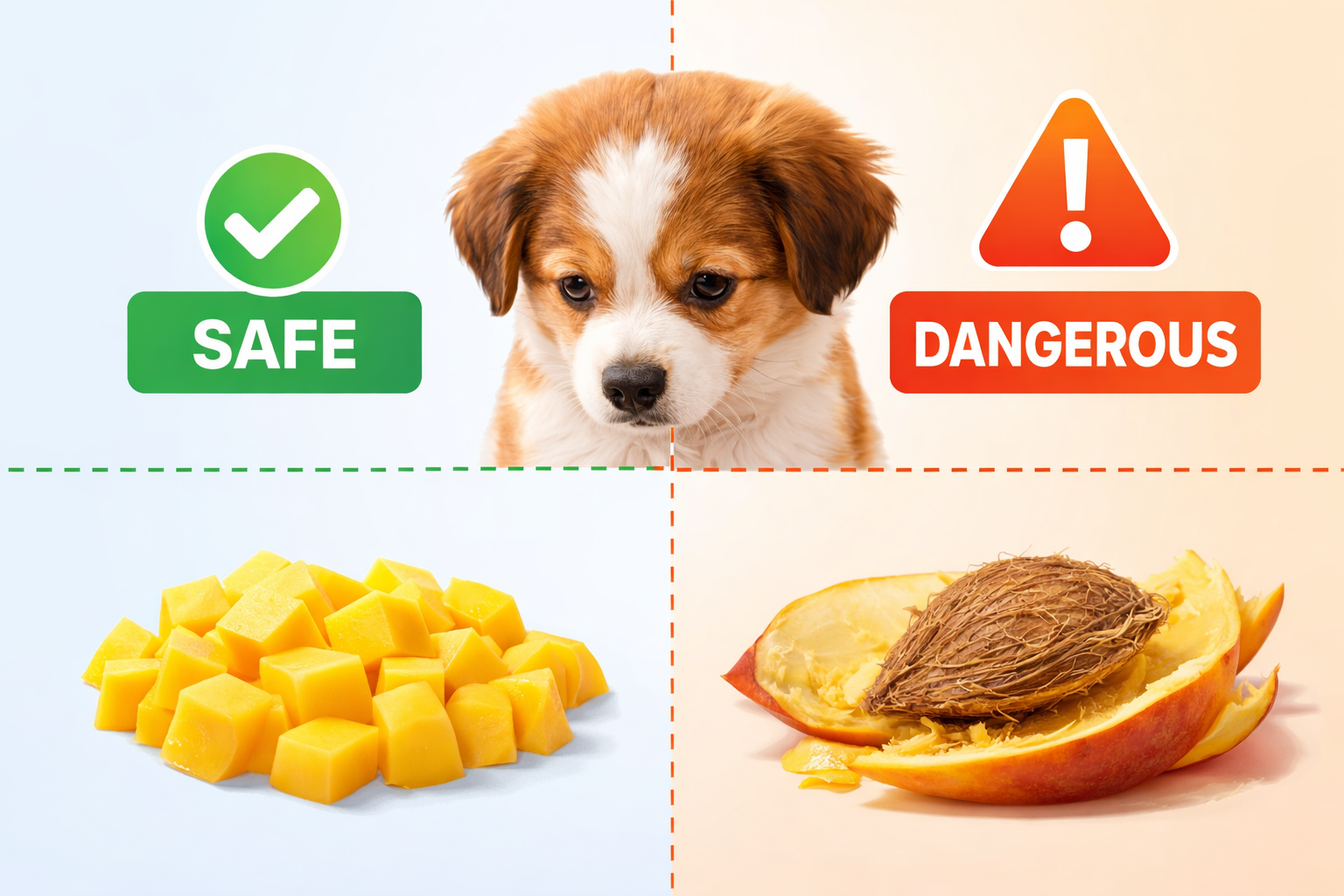
If you’ve ever caught your dog staring at you while you eat mango, you’ve probably wondered, can dogs eat mango safely? I’ve been there myself hesitating before sharing even a small bite, worried about things like choking, sugar content, or upsetting their stomach. Many dog owners face the same confusion, especially with so much mixed advice online about what’s safe and what’s not.
From my experience working with dogs and researching canine nutrition, the truth is that mango can be both healthy and risky, depending on how it’s prepared and served. I’ve seen dogs enjoy it as a refreshing treat, but I’ve also seen cases where improper feeding led to digestive issues or even emergency vet visits. That’s why it’s important to understand not just if dogs can eat mango, but how, how much, and when to avoid it to keep your dog safe.
Can Dogs Eat Mango
When Mango Is Safe for Dogs
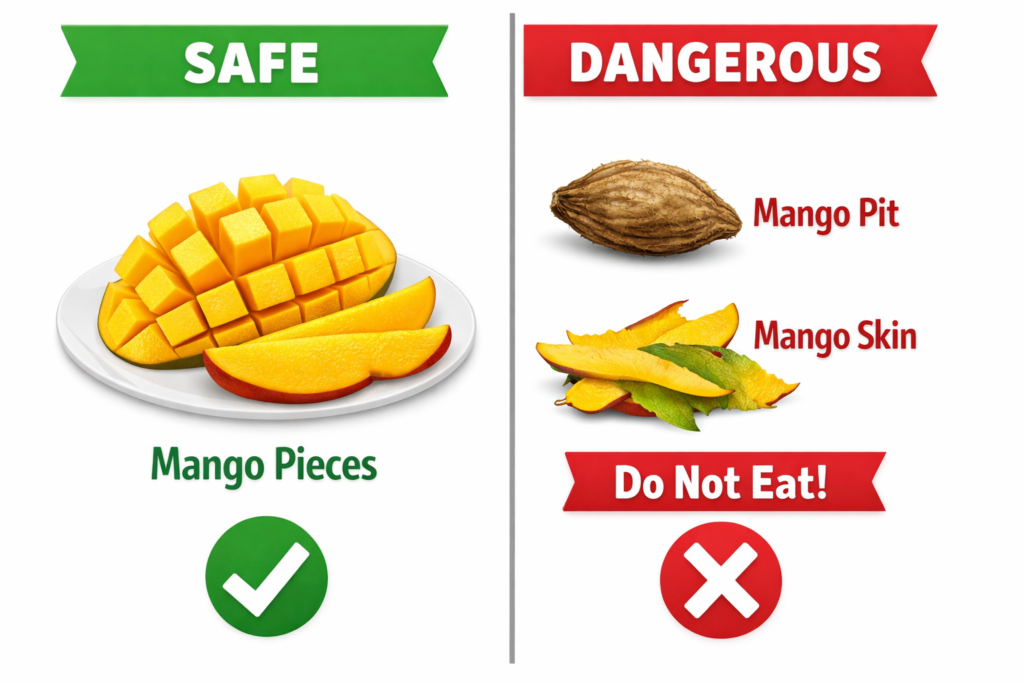
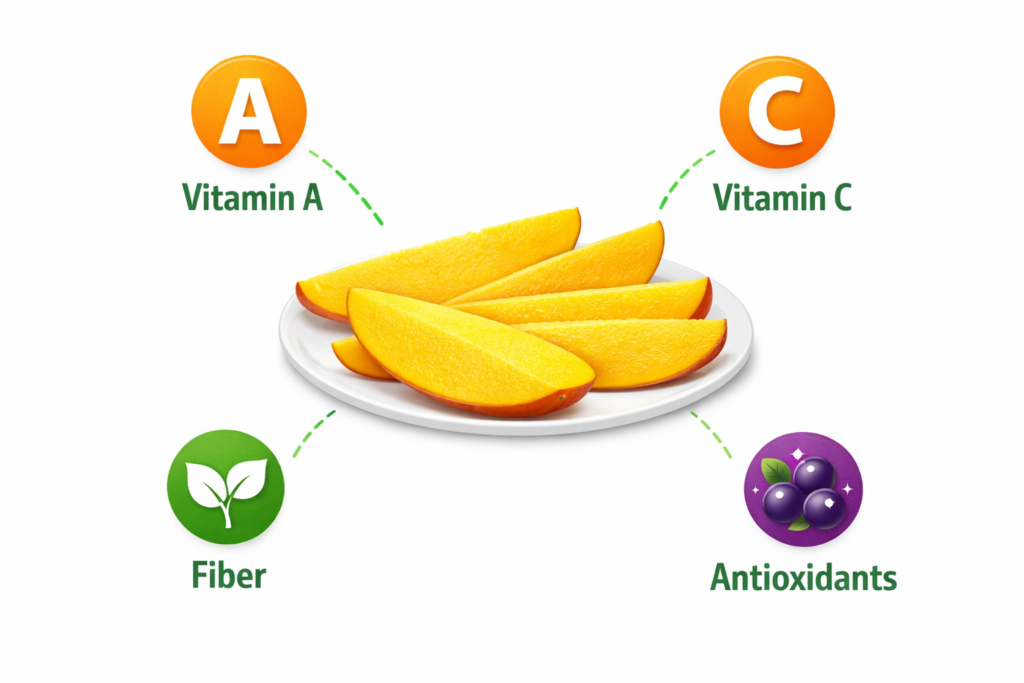
Yes, dogs can eat mango if it is prepared correctly and given in moderation as an occasional treat. Always remove the skin and pit (including mango pits), and cut into small bites or manageable pieces to reduce the risk of choking hazard or intestinal blockage. The fruit contains beneficial nutrients like vitamin A, vitamin C, and dietary fiber that support digestion and immune health, making it a healthy snack when included carefully in a balanced diet.
When Mango Is Unsafe for Dogs
Mango becomes unsafe when inedible parts like the toxic pit are swallowed, causing obstruction, digestive issues, or even fatal problems if untreated. High sugar content (up to 46 grams per cup) and natural sugars can lead to weight gain, diarrhea, vomiting, or gastrointestinal upset, especially in dogs with sensitive stomachs or health conditions like pancreatitis. If your dog shows symptoms such as lethargy, no appetite, or a painful belly, consult a veterinarian immediately.
Is Mango Good for Dogs?
Mango can be a good and healthy snack for dogs when given in moderation. This fruit is loaded with vitamins, nutrients, and antioxidants that support the immune system. From experience, most dogs enjoy it because it’s soft, sweet, and easy to serve when cut into small pieces.
Key benefits:
- Rich in vitamin A, B6, C, E, and vitamin K → supports growth, skin, coat, and tissue repair
- Contains fiber and dietary fiber → supports digestion and reduces constipation or diarrhea
- Packed with beta-carotene and antioxidants → helps fight free radicals
- Includes potassium, magnesium, calcium, and protein → supports muscles, nerves, and heart
- Helps regulate blood sugar and supports metabolism
Why it can be a healthy treat:
When added in small amounts, mango can boost nutrition and provide essential vitamins for dogs of all ages. It is low in cholesterol, sodium, and fat, making it a better option than many processed treats. However, it should always be fed carefully to avoid choking hazards and excess sugar intake.
Nutritional Benefits of Mango for Dogs
Mango is a nutrient-rich fruit that can support your dog’s health when given occasionally. It contains vitamins, fiber, and antioxidants that help digestion and overall wellness.
Nutrition facts:
- Vitamin A, C, and B (B6) → support vision, immunity, and brain health
- Fiber → improves gut health and bowel movements
- Potassium → supports heart and muscle function
- Antioxidants → protect cells from oxidative stress
- Natural sugars → provide energy but add calories
Benefits:
- Supports immune health and reduces inflammation
- Improves digestion and stool quality
- Helps maintain vision and organ health
- Provides a natural energy boost
Hidden Risks of Mango for Dogs
While mango is considered one of the safe fruits for dogs, it still carries risks if not handled properly. Even natural treats can negatively affect canine health when overfed.
Dangerous Parts of Mango
Mango skin can be hard to digest and may upset the digestive system. The mango pit is a major choking hazard and can cause intestinal blockage if swallowed.
Sugar and Digestive Concerns
Mango contains fructose, which may cause gastrointestinal issues. It can upset a dog’s stomach, especially in dogs with allergies or sensitive digestion.
Toxicity and Allergic Reactions
Although rare, some dogs may experience allergic reactions or food intolerance. Watch for signs like itching, vomiting, or discomfort.
Safe Feeding and Precautions
Follow vet advice, avoid dried mango with added sugar, and always prepare mango properly.
Which Parts of Mango Are Safe or Unsafe for Dogs
Dogs can eat mango flesh safely when prepared properly. Always follow simple feeding guidelines.
Safe parts:
- Mango flesh → soft, digestible, and nutritious
- Properly cut small pieces → easy to eat and safe
Unsafe parts:
- Mango skin → hard to digest
- Mango pit → choking hazard and blockage risk
How Much Mango Is Safe for Dogs
Mango should be given in moderation and in small portions based on dog size and weight.

Portion guide:
- Extra-small dogs (2–20 lbs) → 1–2 pieces
- Small dogs (21–30 lbs) → 2–3 pieces
- Medium dogs (31–50 lbs) → 5–6 pieces
- Large dogs (51–90 lbs) → small handful
- Extra-large dogs (91+ lbs) → large handful
Frequency:
Mango should make up no more than 10% of a dog’s daily diet and be given once or twice a week.
How to Safely Feed Mango to Your Dog
Always wash fresh mango, remove the skin and pit, and cut into bite-sized pieces. You can mash it, freeze it, or mix it with dog-safe fruits like bananas or blueberries. Avoid processed or dried mango with added sugar, and never feed rotten mango.
Can Dogs Eat Different Types of Mango
Fresh mango is the best option. Dried mango should be free from added sugars. Avoid processed mango products like chutney or sorbet. Always remove the skin and pit before feeding.
Can Puppies Eat Mango
Puppies can eat mango in very small amounts. Their digestive systems are sensitive, so introduce it slowly and watch for bloating, gas, or diarrhea.

When to Avoid Giving Mango to Dogs
Avoid mango for dogs with diabetes, obesity, pancreatitis, or sensitive stomachs. Also avoid it if your dog has food intolerance or dental issues.
Signs Your Dog Ate Too Much Mango
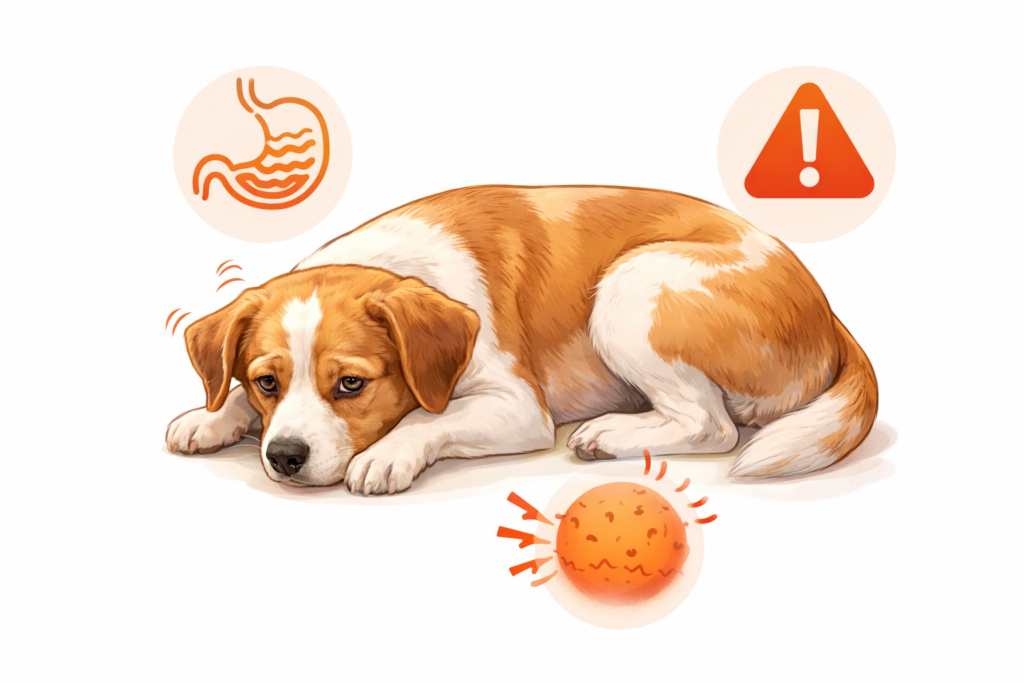
Watch for diarrhea, vomiting, bloating, lethargy, or loss of appetite. High sugar can also cause blood sugar spikes. Severe symptoms may require veterinary attention.
What to Do If Your Dog Eats a Mango Pit
Immediate steps:
Stay calm, monitor your dog, and look for signs of choking or blockage such as vomiting or abdominal pain. Do not attempt unsafe home remedies.

When to contact a vet:
If your dog shows lethargy, loss of appetite, or signs of obstruction, contact a veterinarian immediately. In severe cases, surgery may be required.
Conclusion
In my experience, mango can be a great occasional treat for dogs when handled correctly—but it’s never something to give casually. The difference between a healthy snack and a risky mistake often comes down to small details like removing the pit, controlling portions, and knowing your dog’s specific health needs. If you stay mindful and follow safe feeding practices, mango can be a fun addition to your dog’s diet—but your dog’s safety should always come first over convenience or curiosity.