
Can Dogs Eat Shrimp? The Ultimate Guide to Feeding Shrimp to Your Dog

Is shrimp a healthy treat for your dog? Many pet owners wonder, can dogs eat shrimp safely? This protein-packed seafood can offer essential nutrients like protein, omega-3s, and vitamins, but it’s important to serve it properly. In this guide, we’ll cover everything you need to know about feeding shrimp to your dog—from its health benefits to potential risks, and how to serve it safely.
Before you add shrimp to your dog’s diet, it’s important to understand the dos and don’ts. Shrimp can be a great addition to their meals, but only when prepared correctly. By following simple steps like removing the shell, cooking it thoroughly, and serving in moderation, you can make shrimp a tasty and nutritious treat for your pet. Let’s dive into the best practices for feeding shrimp and keep your dog safe and healthy!
Health Benefits of Shrimp for Dogs
Shrimp is a great source of protein, antioxidants, and important vitamins like B12 and niacin. It provides essential nutrients like omega-3 fatty acids, phosphorus, and glucosamine, which promote your dog’s overall health, including joint and cardiovascular health.

Steps to Enjoy Shrimp Benefits:
- Choose cooked shrimp: Make sure the shrimp is cooked to avoid any harmful bacteria or pathogens.
- Serve in moderation: A small amount of shrimp will give your dog the benefits of protein, vitamins, and minerals without overloading their system.
- Remove the shell: Always remove the shell and tail to prevent any choking hazards and make it easier for your dog to digest.
- Include in balanced diet: Add shrimp occasionally to your dog’s diet for a low-fat, low-calorie healthy treat that supports healthy bones, joint health, and brain aging.
- Watch for allergies: Start with a small amount and monitor for any signs of allergies, like gastrointestinal upset or skin reactions.
Raw Shrimp for Dogs
Raw shrimp can be harmful to dogs due to the risk of bacteria and parasites. Uncooked shellfish, like raw shrimp, can carry harmful pathogens that may cause gastrointestinal upset, such as vomiting, diarrhea, and abdominal pain. It can also lead to more severe conditions like vibriosis, especially when the shrimp is undercooked or frozen.
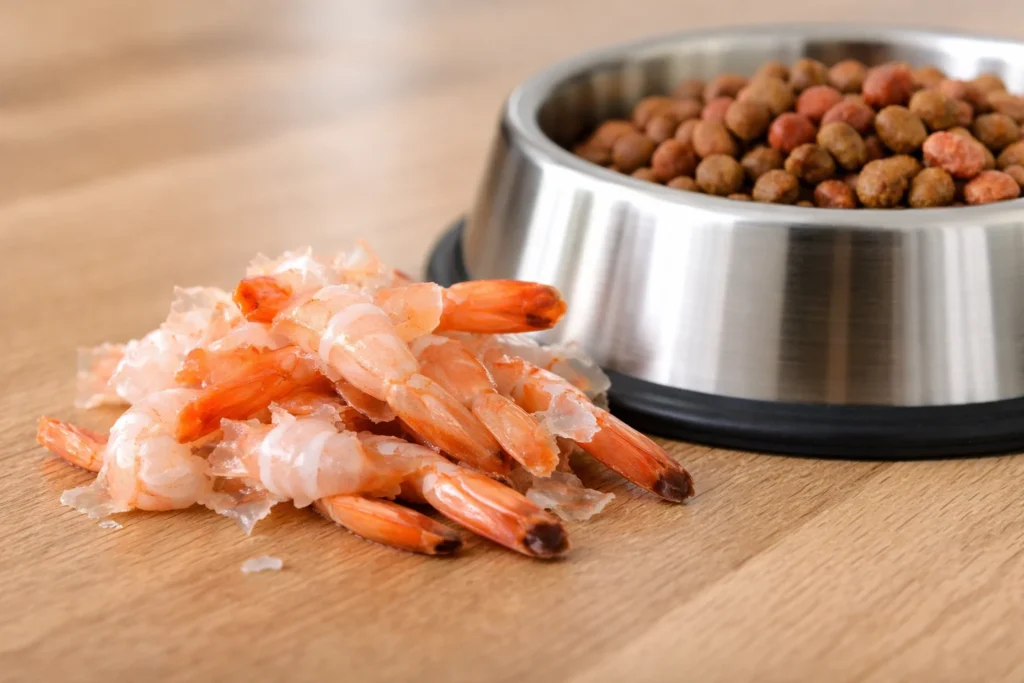
Feeding your dog raw shrimp increases the risk of shellfish poisoning, which may cause symptoms like nausea and discomfort. Small breeds are particularly at risk, as they may have difficulty digesting raw seafood. It’s best to cook shrimp to eliminate bacteria and parasites and avoid choking hazards from the shell. Always consult a veterinarian if you’re unsure about feeding your dog raw shrimp.
Cooked Shrimp for Dogs
Dogs can safely eat cooked shrimp as long as it’s prepared properly without any unhealthy additions. Cooking methods like boiling or steaming are the best choices since they don’t involve fats, oils, or harmful ingredients like garlic, onions, or butter. Avoid shrimp that’s fried, sautéed, or seasoned with spices, as these can cause stomach problems or be toxic to dogs.
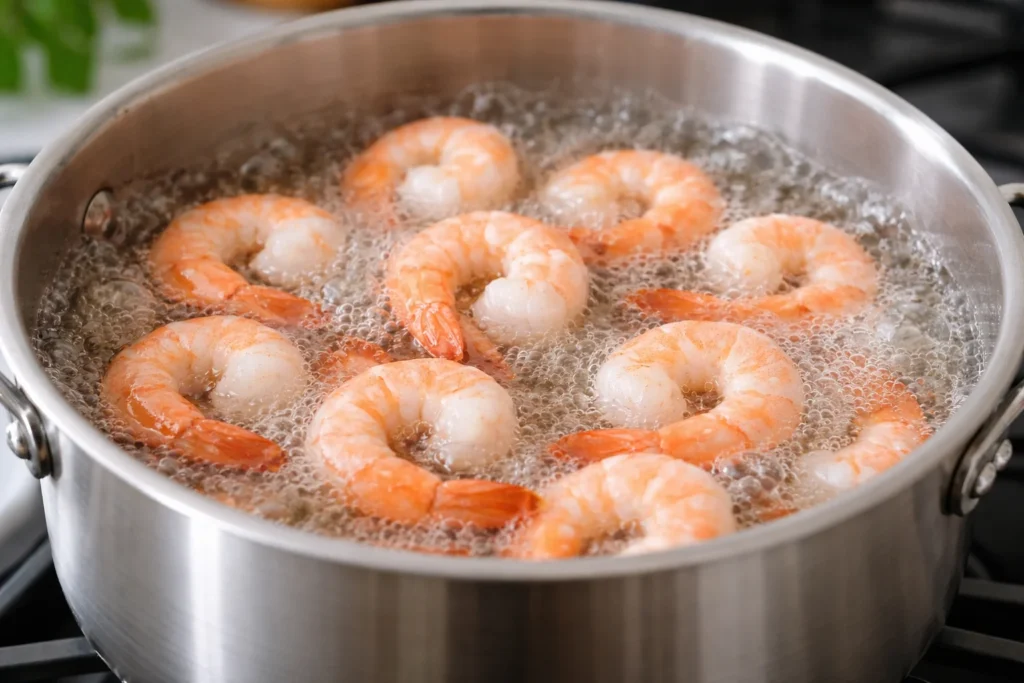
When preparing shrimp for your dog, it’s important to remove the shell and avoid any added ingredients like seasonings, breadings, or sauces such as those used in shrimp tempura or coconut shrimp. Simple grilled or boiled shrimp offers the best nutritional benefits for your dog, providing protein and omega-3 fatty acids without the risk of harmful additives.
Fried Shrimp for Dogs
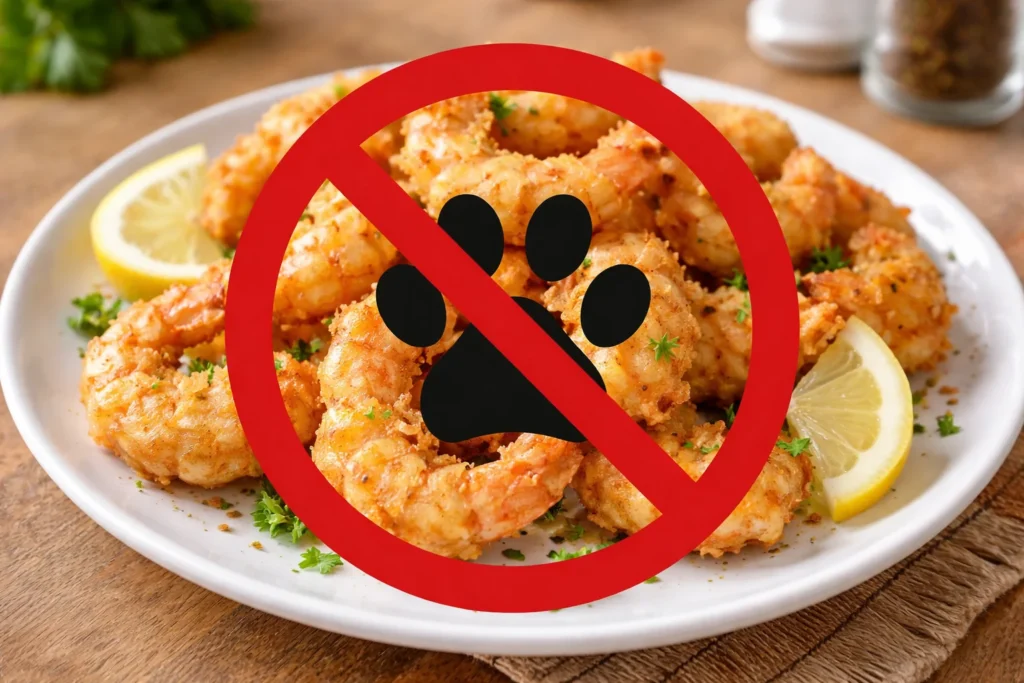
Fried shrimp is not a good choice for dogs due to its high content of unhealthy ingredients like salt and fat. Fried foods and battered foods can cause gastrointestinal upsets, such as loose stools and digestive issues, especially in dogs with sensitive stomachs. The high fat content can lead to pancreatitis and other severe issues related to poor health, including problems with blood pressure.

Feeding your dog fried shrimp can also cause salt toxicity, which can be harmful to canines, particularly older dogs. The breading and batter often used in frying shrimp are full of unnecessary carbs and fat, making it harder for dogs to digest. Always opt for plain cooked shrimp without any added salt or fatty oils for a healthier snack.
Is Shrimp Toxic to Dogs?
Shrimp is generally safe for dogs in small quantities and can be an occasional treat. However, when fed in large amounts, it can lead to toxicity. Shrimp itself is not inherently toxic to canines, but it’s important to ensure that it’s served without any harmful seasonings or additives. Large quantities of shrimp may introduce issues such as mercury build-up, which can be harmful to your dog’s health over time.
Steps to safely feed shrimp to dogs:
- Serve in moderation: Offer shrimp as an occasional treat, not a regular part of your dog’s diet.
- Limit quantity: Avoid feeding large amounts of shrimp to prevent toxicity or digestive problems.
- Monitor for reactions: Keep an eye on your dog after feeding shrimp to watch for any signs of discomfort or poisoning.
- Consult a veterinarian: If you’re unsure about the appropriate amount to feed your dog, always check with a vet to ensure it’s a safe addition to their diet.
How Much Shrimp Can Dogs Eat?
Shrimp can be a tasty treat for dogs when given in the right moderation. However, feeding too much shrimp can cause health concerns such as vomiting, diarrhea, or intestinal discomfort. It’s essential to consider your dog’s breed size and health before adding shrimp to their diet.
Steps to feed shrimp safely:
- Small dogs (like Yorkies or Chihuahuas) should get only extra-small amounts of shrimp.
- Medium dogs (such as Beagles or Basenjis) can have a small amount of medium shrimp.
- Large dogs (like Labrador Retrievers or Siberian Huskies) can handle medium shrimp in proper quantities.
- Keep shrimp as 10% of your dog’s daily calories to avoid accidental overfeeding.
- Monitor for symptoms like fatigue, decreased appetite, or changes in stool after feeding shrimp.
- If symptoms worsen, contact your veterinarian for guidance
Shrimp Shells and Choking Hazard
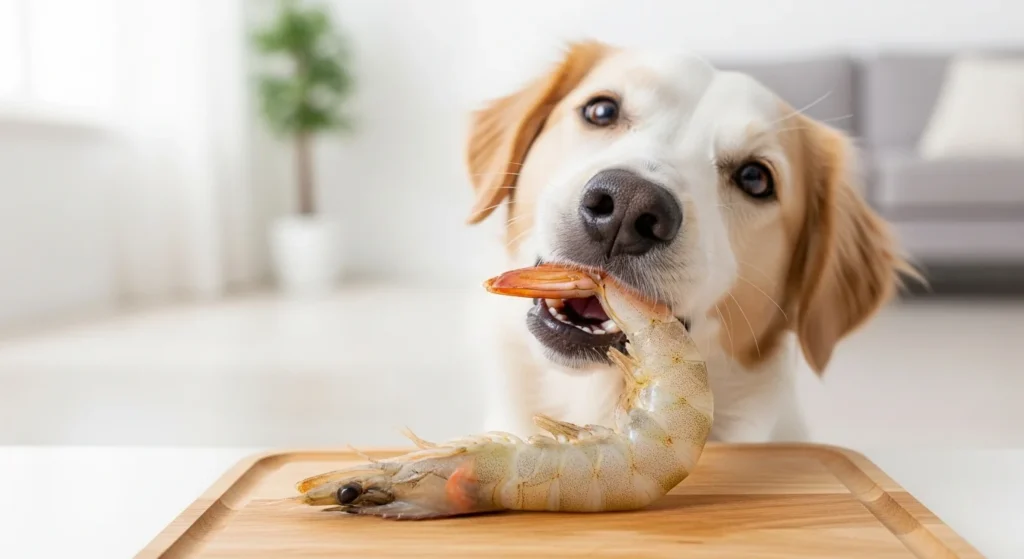
When feeding your dog shrimp, it’s important to remove the shrimp shells. The shell can be a serious choking hazard, especially for smaller dogs that are more prone to gulping their food. It’s best to cut the shrimp into smaller pieces to make it easier for your pup to eat without the risk of choking.
Shrimp Tails and Dogs
Many people believe that shrimp tails are harmful for dogs, especially since the crunchy bits might cause damage to a dog’s insides. While some sites might fearmonger about this, shrimp tails can be a choking hazard for dogs, especially if they are not properly chewed. It’s best to remove the tail before giving shrimp to your dog, as it can cause discomfort or even damage to their digestive system, just like humans might experience if they ate something sharp.
Signs of Shrimp Allergies in Dogs
If your dog has never had shrimp and shows signs like vomiting or diarrhea, they may be allergic or intolerant to it. Some dogs may also develop these symptoms after long-term exposure to shrimp, so it’s important to be aware of how your dog reacts when trying new foods.

Steps to spot shrimp allergies in dogs:
- Monitor for symptoms: Watch for signs like vomiting or diarrhea after your dog eats shrimp.
- Track first-time reactions: If it’s your dog’s first time eating shrimp, be extra cautious.
- Check for long-term intolerance: If symptoms appear after repeated exposure, your dog may be intolerant to shrimp.
- Consult a veterinarian: If your dog shows any signs of an allergic reaction, it’s best to seek professional advice.
How to Safely Feed Your Dog Shrimp
Feeding your dog shrimp safely involves careful preparation and avoiding harmful ingredients like seasoning or oils. Here are the steps to safely feed shrimp to your dog.
Steps to feed shrimp safely:
- Purchase high-quality shrimp from a trusted seafood distributor or seller.
- Boil, steam, or bake the shrimp without any butter, salt, garlic, or onions.
- Peel the shrimp and remove the tails to avoid choking hazards.
- Avoid fried shrimp, breaded shrimp, or popcorn shrimp, as they contain high fats and calories.
- Cut the shrimp into small pieces to make it easier for your dog to digest.
- Only feed cooked shrimp as raw shrimp may contain harmful pathogens that can lead to gastrointestinal discomfort.
- Serve shrimp as an occasional treat alongside dog-safe vegetables like carrots or sweet potatoes for a balanced snack..
Shrimp with Seasoning for Dogs
Feeding shrimp with seasoning to your dog can be risky. Many common spices and seasonings like salt, garlic, and onion are toxic to dogs and can cause digestive issues such as gastrointestinal upset or even more serious conditions. Garlic powder, onion powder, and sodium can lead to health concerns such as anemia and dehydration, which are harmful to dogs’ health. It’s best to serve plain shrimp that is cooked without any added seasoning to keep it dog-friendly and safe.
Serving seasoned shrimp can also irritate your dog’s digestion and lead to allergic reactions or long-term health risks. Always follow dog feeding guidelines and consult a veterinarian if you’re unsure about introducing seafood or human food for dogs into their diet.
Shrimp as Part of a Balanced Dog Diet
Shrimp can be a great addition to your dog’s diet when given in moderation. It provides protein, omega-3 fatty acids, and healthy fats, which support your dog’s digestive health, immune system, and overall well-being. As a seafood, it offers an excellent source of fish-based protein and essential nutrients like vitamins and minerals that benefit bone health and coat health.
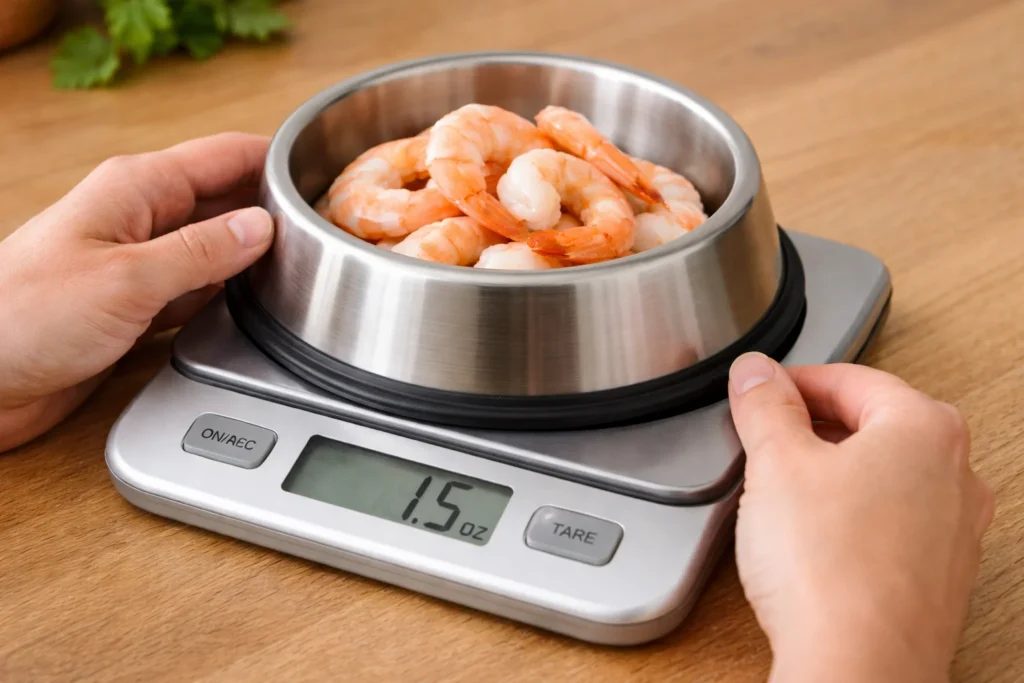
However, it’s important to remember that shrimp should be part of a balanced diet and fed as a healthy treat in variety. Shrimp can support your dog’s energy and metabolism, but portion control is key to avoid overfeeding. Always follow dog nutrition guidelines and consult with a veterinarian to ensure shrimp fits safely into your dog’s nutritional balance and supports weight management.
How to Avoid Shrimp Overfeeding in Dogs
When feeding shrimp to your dog, it’s important to avoid overfeeding, which can lead to digestive issues and other health concerns. Raw shrimp can carry parasites such as tapeworms, flukes, and roundworms, making it essential to feed your dog cooked shrimp. If you want to minimize risks, it’s best to serve wild-caught shrimp and ensure it’s free of harmful chemicals like pesticides or antibiotics often found in farm-raised shrimp.
Steps to avoid shrimp overfeeding:
- Serve shrimp in bite-sized pieces to prevent your dog from gulping too much at once and reduce the choking hazard.
- Cook the shrimp properly to kill any parasites and avoid feeding raw shrimp.
- Avoid seasonings, spices, or breading, which can upset your dog’s stomach or cause intestinal discomfort.
- Only feed shrimp as a treat, not a regular part of your dog’s food, to maintain a balanced diet and prevent overfeeding.
Final Words
In conclusion, shrimp can be a nutritious and tasty treat for your dog when prepared properly and served in moderation. By following the right steps—cooking shrimp thoroughly, removing shells and tails, and avoiding harmful seasonings—you can provide your dog with a healthy snack that supports joint health, digestion, and overall well-being. Always monitor for any allergic reactions, and consult your vet if you’re unsure about adding shrimp to your dog’s diet. With the right precautions, shrimp can be a delightful and beneficial addition to your dog’s nutrition!
Frequently Asked Questions
Can dogs safely eat cooked shrimp?
Yes, dogs can safely eat cooked shrimp as long as it’s prepared without any harmful seasonings, oils, or spices. Ensure it’s cooked thoroughly and the shell and tail are removed to prevent choking hazards.
How many shrimp can I give my dog?
Shrimp should be served in moderation. A small dog should get a tiny portion, while medium and large dogs can enjoy a small to moderate amount. Always ensure shrimp doesn’t exceed 10% of your dog’s daily caloric intake.
Is it okay for dogs to eat shrimp every day?
While shrimp can be a healthy treat, it should not be a daily food item for your dog. Serve shrimp occasionally as part of a balanced diet to avoid overfeeding and prevent any adverse effects.
Can dogs eat shrimp tempura?
No, dogs should not eat shrimp tempura. The batter, frying oils, and seasonings like garlic or salt used in shrimp tempura can be harmful to dogs, potentially causing digestive upset and other health issues.
Can dogs eat shrimp heads?
It’s best to avoid feeding your dog shrimp heads. The heads can contain sharp parts that might cause choking or digestive issues, and they often carry harder-to-digest substances. Stick to the body of the shrimp for a safer treat.