
Can Dogs Eat Blueberries The Complete Guide for Dog Owners

If you’re a dog owner, you’ve probably wondered what tasty, healthy snacks you can offer your furry friend. One common question that comes up is, can dogs eat blueberries? The answer is yes, but with a few important considerations! These small, vibrant berries are not only delicious but packed with antioxidants and vitamins that can benefit your dog’s health.
However, just like with any treat, moderation is key. Giving your dog too many can lead to tummy troubles, and serving them incorrectly could even pose health risks. So, how do you ensure your dog gets the most out of this sweet snack while keeping them safe? Read on to find out everything you need to know to safely add blueberries to your dog’s diet—whether they’re a playful puppy or a grown-up dog.
Can Dogs Eat Blueberries?
Dogs love tasty snacks, and as pet owners, we always want to treat them to something safe and healthy. Blueberries, with their natural sugars and antioxidants, can be a great option for your dog, but moderation is key. When offering blueberries as a training treat, ensure they are bite-sized and not overwhelming. Frozen blueberries can be a refreshing snack, especially on hot days, but they should be given in small portions to avoid stomach upset.
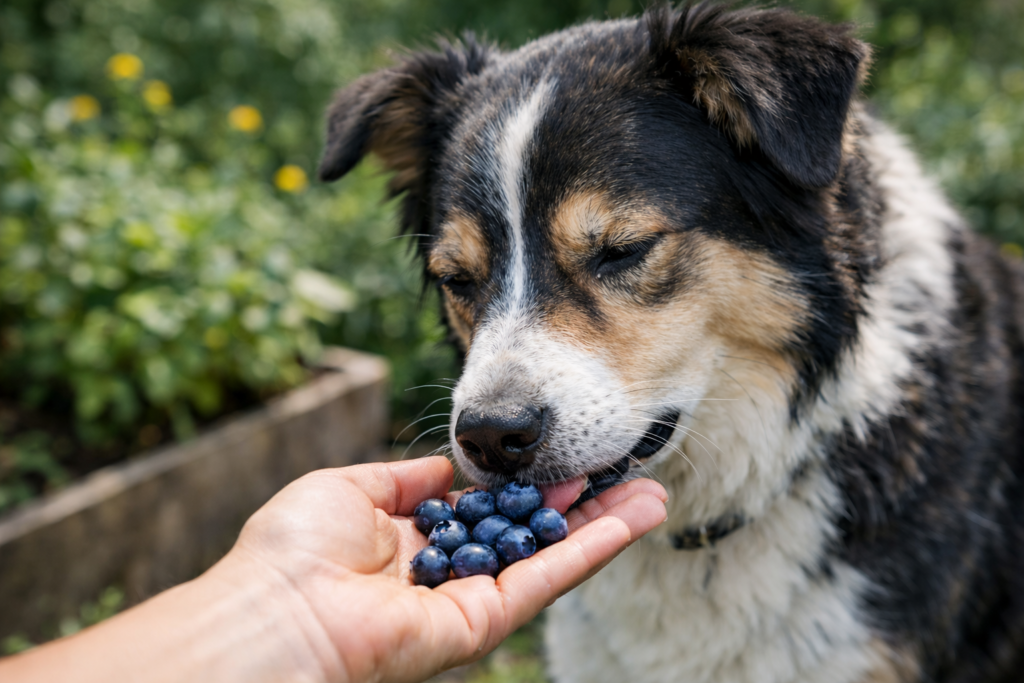
While blueberries are packed with nutrients, be mindful of how you serve them. Plain, unsweetened blueberries are the best choice, as the sugar content in canned or processed treats can be too high. Avoid giving your dog anything that’s part of baked goods or includes sugary toppings. Even something like a blueberry muffin can be risky due to the hidden sugar and sweeteners. Always ensure your dog’s balanced diet includes snacks like blueberries in moderation, and responsible pet owners know that it’s essential to monitor how much their dog consumes.
Are Blueberries Good for Dogs?
Blueberries are a healthy and sweet treat for your dog, offering a variety of nutritional benefits that contribute to their overall health. These small, vibrant berries are packed with antioxidants, vitamins, and minerals that can boost your dog’s health when given in moderation.
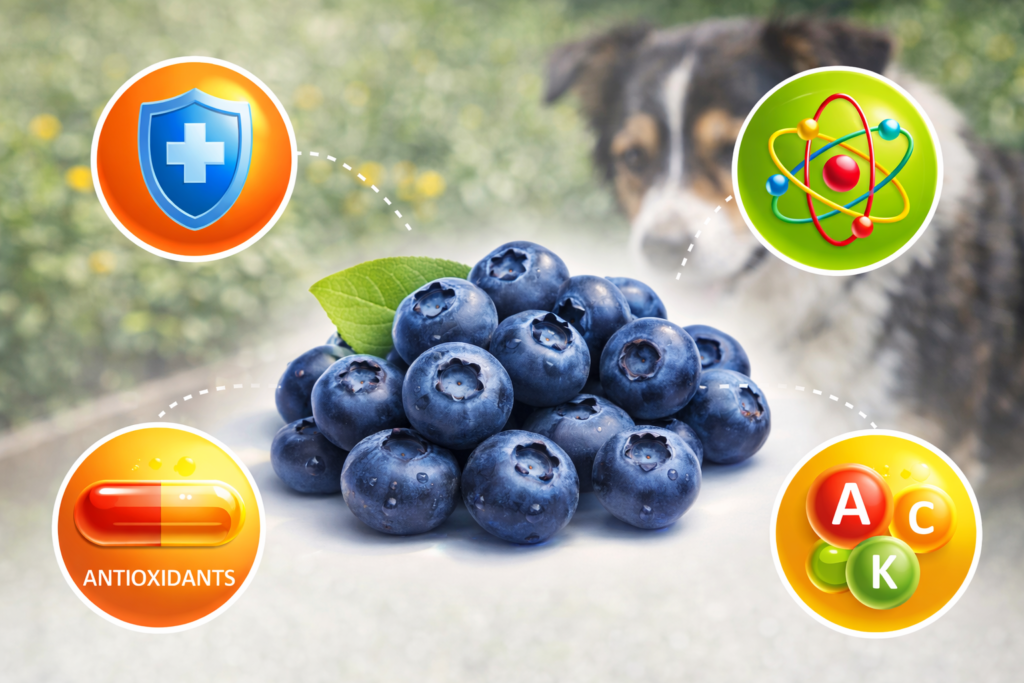
Benefits of Blueberries for Dogs:
- Rich in antioxidants: Help fight free radicals, reduce cell damage, and lower the risk of chronic diseases.
- Support bone and dental health: Contain phosphorus and manganese, promoting strong bones and protecting against tooth decay.
- Boost immune function: Vitamin C and antibacterial properties support a healthy immune system and digestive health.
- Low-calorie treat: A low-calorie snack that helps maintain a healthy weight without overloading on sugars.
- Enhance eye health: The vitamin A in blueberries supports evening vision and overall eye health.
Incorporating blueberries into your dog’s diet provides many health benefits, from improving their immune function to supporting their bone health. Just remember to feed them in small sizes and always offer fresh water
Are Blueberries Bad for Dogs?
Blueberries are a great treat for many dogs, but like all foods, they can have some downsides if not given carefully.Here are a few things to keep in mind when feeding blueberries to your dog.
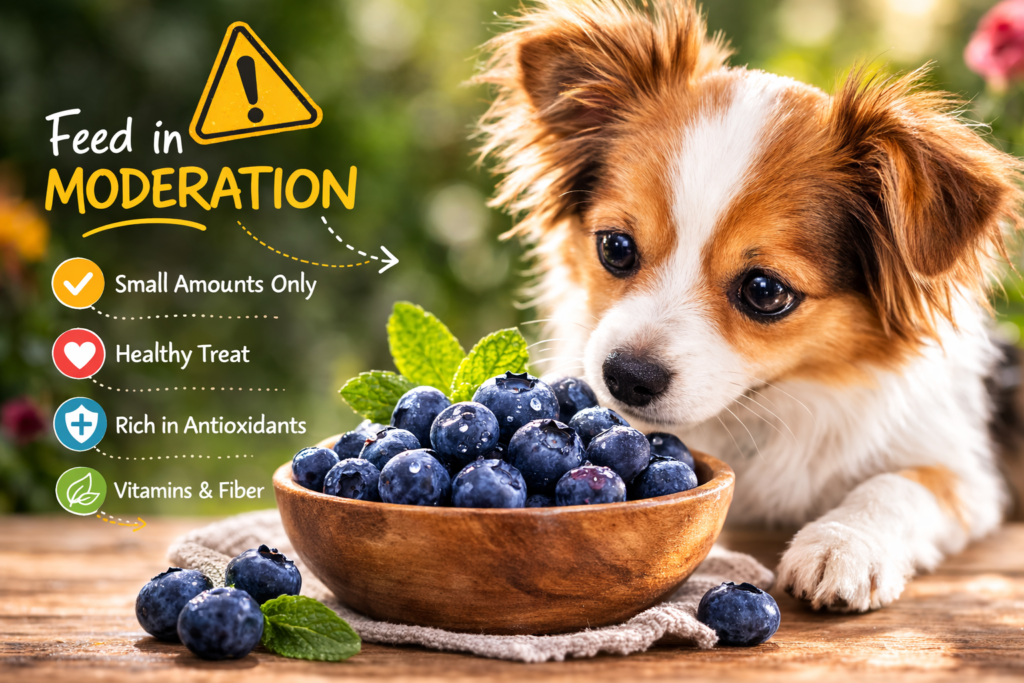
Diseases and Risks:
- Upset stomach: Eating too many blueberries can cause gastrointestinal upset, including vomiting and diarrhea.
- High sugar: For dogs with diabetes or those prone to food sensitivities, the sugar content in blueberries can be problematic.
- Choking hazard: Always serve whole blueberries in small sizes, especially for small dogs, to avoid any risk of choking.
- Harmful chemicals: If the blueberries are conventionally grown, they may contain pesticides and chemical residues. It’s best to wash fruit or choose organic blueberries to avoid these risks.
By feeding blueberries in moderation and being mindful of your dog’s health, you can enjoy the benefits of this tasty treat without any unwanted issues. Always check with your vet if you’re unsure about adding new foods to your dog’s diet.
The Nutritional Value of Blueberries for Dogs
Blueberries are a healthy treat for dogs, offering a wide range of nutrients that support their overall well-being. When given in moderation, these small berries can provide important health benefits for your dog.
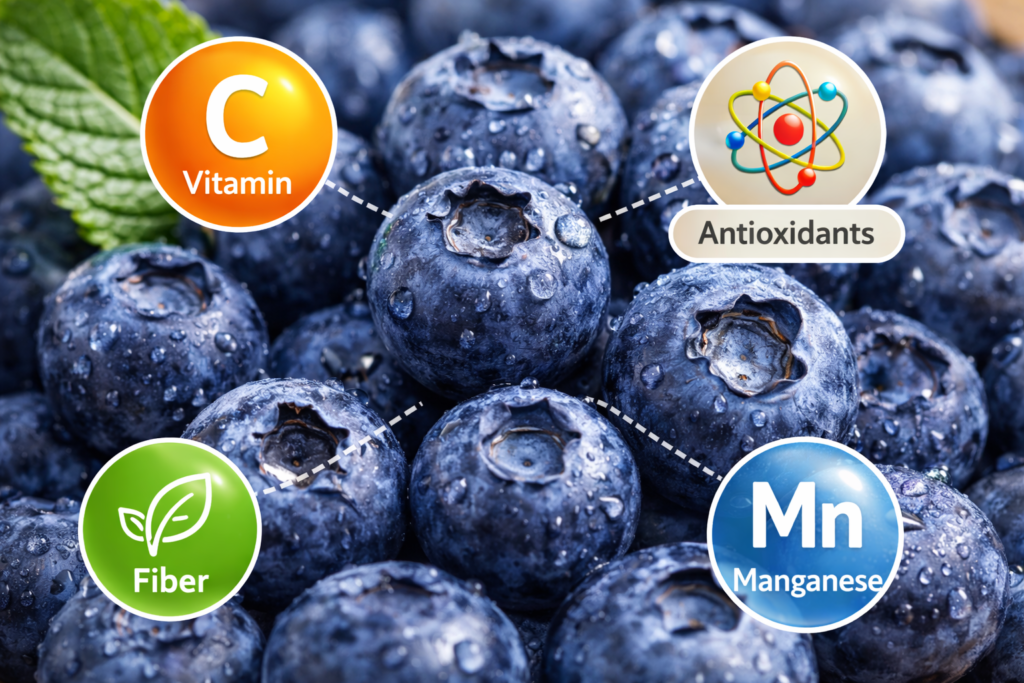
Nutrition Facts of Blueberries for Dogs:
- Vitamin C: Boosts immune function and fights free radicals.
- Vitamin K: Supports bone development and improves circulation.
- Fiber: Aids in digestion and promotes a healthy metabolism.
- Manganese: Helps maintain cellular health and supports bone strength.
- Antioxidants: Protects against cellular damage and helps maintain healthy canine health.
Feeding blueberries in moderation as part of a well-rounded diet can support your dog’s immune function and overall health.
How Many Blueberries Can Dogs Eat?
Blueberries are a healthy and tasty treat for your dog, but it’s important to feed them in the right amount based on your dog’s size and tolerance to new foods. Here’s how to determine how many blueberries are safe for your dog.

Steps for Feeding Blueberries to Dogs:
- Start small: Begin with a small portion to see how your dog reacts, especially for small dogs or those with sensitive stomachs.
- Monitor your dog: Keep an eye out for any signs of stomach upset or diarrhea after feeding blueberries.
- Adjust portion size: For large dogs, you can increase the serving size, but always maintain portion control.
- Stick to moderation: Blueberries should make up no more than 10% of your dog’s daily caloric intake.
- Consult your vet: If you’re unsure how much to feed based on your dog’s diet, consult with your vet.
Feeding blueberries in moderation can be a healthy addition to your dog’s balanced diet, just make sure to keep their daily caloric intake in check.
How to Safely Serve Blueberries to Dogs
Feeding your dog blueberries can be a healthy treat, but it’s important to serve them in the right way to ensure your dog’s safety. Here are some simple safely serving tips to follow.

Safely Serving Tips:
- Wash thoroughly: Always wash fresh blueberries to remove dirt and residue.
- Cut or mash for small dogs: If you have small dogs, cut the berries in half or mash them to prevent choking.
- Avoid sugary treats: Do not serve blueberries with syrup or sugary additives.
- Use a treat toy: Put blueberries in a KONG Classic Dog Toy or a similar treat toy to make the treat more fun.
- Watch for any discomfort: Always monitor your dog after introducing new foods like blueberries to ensure they are well digested.
By following these steps, you can safely add blueberries to your dog’s diet as an occasional treat.
Fun Ways to Share Blueberries with Your Dog
Blueberries are a tasty and healthy treat for dogs, and there are plenty of fun ideas to share them with your pup. You can easily make blueberries a fun part of your dog’s day, whether through playtime or as a refreshing snack.

Fun Facts About Sharing Blueberries:
- Frozen blueberries are a great cooling treat for warm weather or after summer walks.
- Mix blueberries with plain yogurt for a creamy treat that your dog will love.
- Make blueberry ice cubes by freezing blueberries in low-sodium broth or water, offering a tasty, low-calorie snack.
- Use blueberries as training treats to reward good behavior during practice sessions.
- Add a splash of water or blend them into a blueberry smoothie for a fun and hydrating drink.
You can make snack time even more exciting by including blueberries in your dog’s daily routine with these simple and tasty ideas.
Possible Risks and Considerations
While blueberries are a great treat for dogs, it’s important to keep in mind that there are a few risks to consider. Some dog breeds may have sensitivities, and improper feeding can lead to digestive issues. Here’s how to manage these risks effectively.
Risk Management Tips:
- Serve in moderation: Avoid overfeeding in dogs by limiting blueberries to small amounts, especially for small dog breeds.
- Cut into small pieces: Prevent choking hazards for dogs by cutting blueberries into smaller, manageable pieces.
- Watch for allergies: Keep an eye on your dog for dog allergies symptoms like itching, swelling, or digestive discomfort.
- Consult your vet: If your dog has any dog food intolerance or gastrointestinal problems in dogs, check with your vet before introducing blueberries.
By being mindful of these tips, you can safely enjoy blueberries as a treat for your dog without compromising their health.
Can Puppies Eat Blueberries?
Puppies can eat blueberries, but since they have developing digestive systems, it’s important to introduce them slowly. Start by giving them one or two berries to see how they react. Puppies have more sensitive stomachs than adult dogs, so it’s best to offer small amounts as an occasional treat rather than a regular snack.

Blueberries are packed with antioxidants and vitamins, which can benefit your puppy’s health. However, they should not replace their main food source. If your puppy shows signs of stomach upset or discomfort, stop feeding them and consult your veterinarian for advice.
Final Words
In conclusion, blueberries can be a healthy and enjoyable treat for your puppy when given in moderation. They are full of antioxidants and vitamins, but due to their sensitive digestive systems, it’s essential to introduce them slowly and monitor for any signs of stomach upset. Always remember to consult your veterinarian if you’re unsure about introducing new foods to your puppy’s diet to ensure they stay happy and healthy.
Frequently Asked Questions
Do blueberries act as a laxative for dogs?
No, blueberries are not a laxative for dogs. While they are high in fiber, feeding them in moderation won’t typically cause diarrhea. However, overfeeding any fruit could upset your dog’s stomach.
Are there any berries that are harmful or toxic to dogs?
Berries like cherries, grapes, and currants can be toxic to dogs. Always ensure the berries you give your dog are safe and suitable for consumption.
What are the healthiest fruits you can feed to your dog?
Fruits like apples, blueberries, and watermelon are healthy options for dogs. They offer a good mix of vitamins, minerals, and antioxidants without being too sugary.
Is it safe for dogs to eat blueberries daily?
While blueberries are healthy, they should be fed in moderation. They can be part of your dog’s daily diet, but it’s important to avoid overfeeding to prevent digestive upset.
Are raw blueberries safe for dogs to eat?
Yes, dogs can eat raw blueberries. Just make sure they are washed thoroughly to remove any dirt or pesticide residues before offering them to your dog.