
Why Do Dogs Eat Grass? Causes, Health Implications, and Solutions
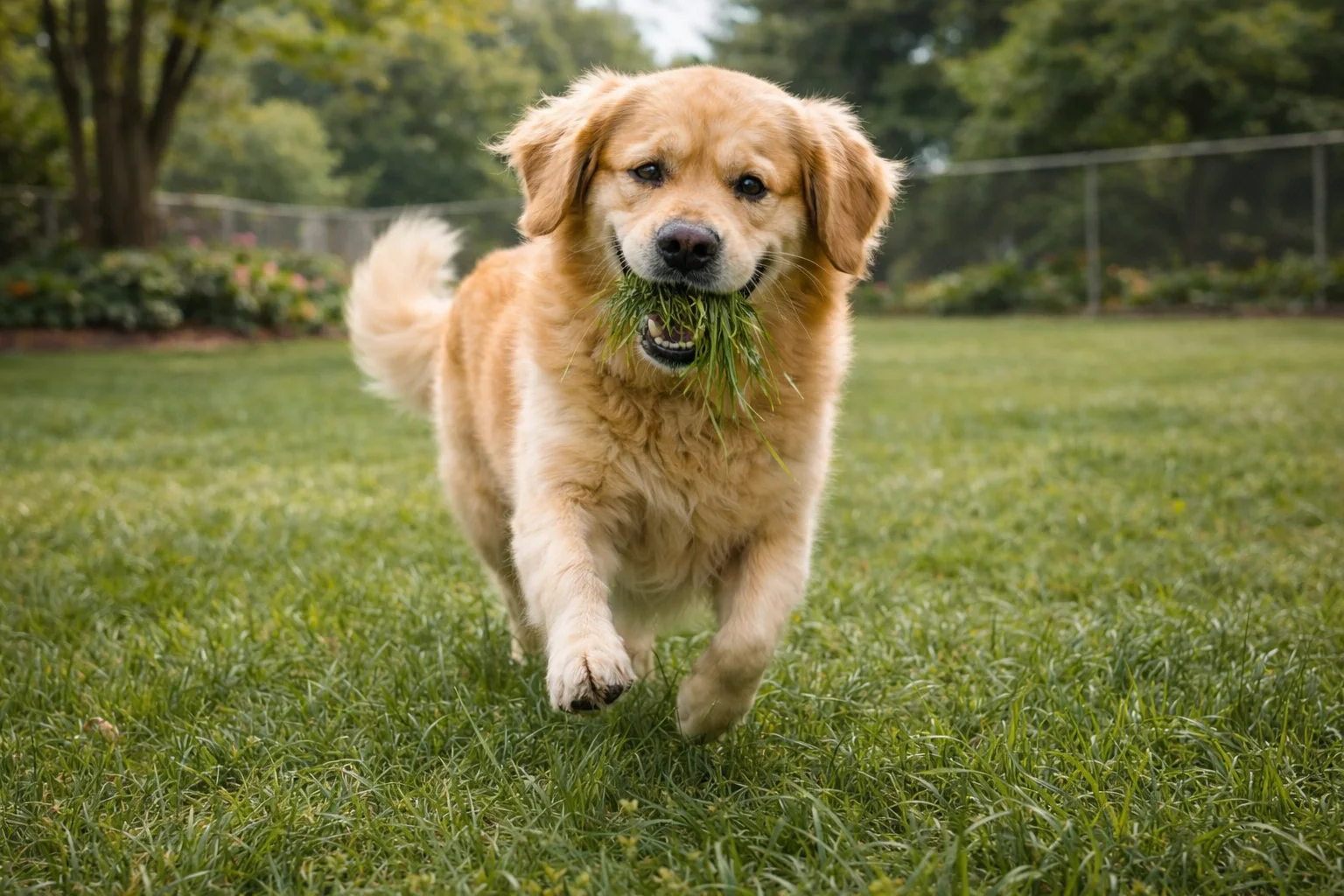
If you’re concerned about your dog’s grass-eating habits, don’t worry you’re not alone. This guide will walk you through the possible reasons for this behavior, from dietary needs to psychological factors. By understanding why your dog munches on grass, you can ensure their well-being and decide whether it’s time for a vet visit. Keep reading to discover how to manage this behavior and address any underlying health issues.
Why Do Dogs Eat Grass?
Dogs eating grass is a common behavior, and there are several theories behind it. One possible reason is to help with an upset stomach or nausea, as grass can sometimes act as a remedy to induce vomiting and relieve discomfort. Other experts suggest that dogs, as carnivores, might eat plants due to a need for fiber, especially if their diet is lacking in this nutrient. Boredom and a desire for different textures might also explain why dogs eat grass, making it a part of their natural behavior. While occasional grass-eating is usually harmless, excessive amounts can lead to vomiting, and if it becomes a regular habit, it’s best to consult a vet to rule out any underlying dietary deficiencies or health issues.
Is Eating Grass Instinctive?
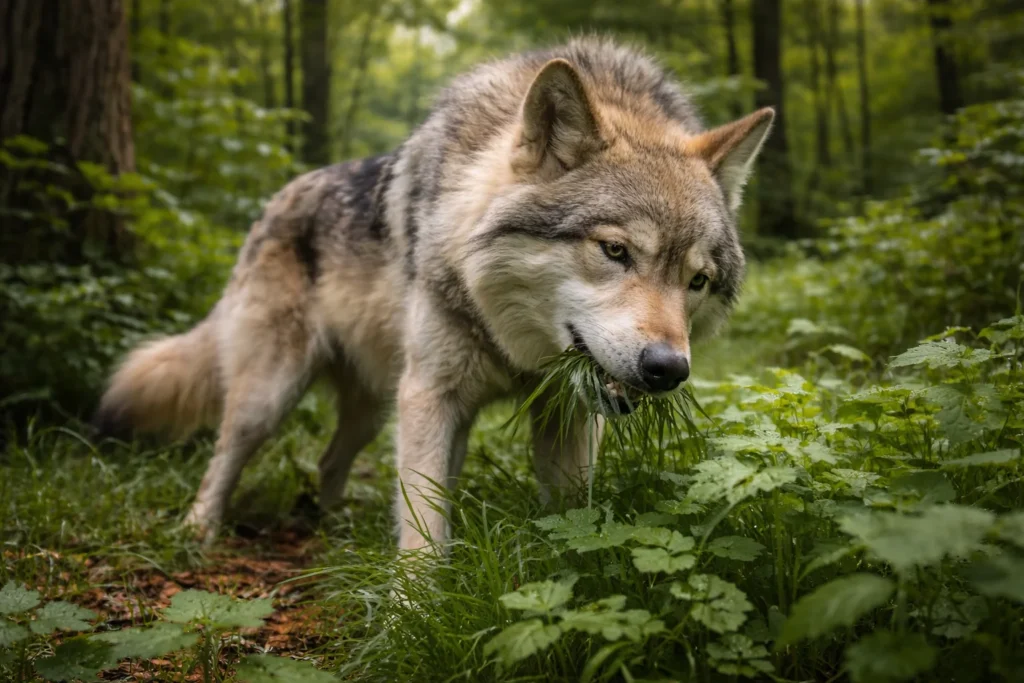
Dogs’ ancestors, like wolves, were scavengers and often ate meat, bones, and even stomach contents of their prey. This natural behavior is thought to still influence modern dogs, who may feel the urge to graze on grass. In the wild, wolves and other canines sometimes consumed plant matter as part of their balanced diet to help with digestion or to prevent intestinal parasites. Even though today’s dogs mostly eat commercial dog food like kibble, their instinct to graze might still be active. Eating grass might be linked to fiber intake, or it could be an expression of their natural instincts. However, if it leads to a behavior problem like excessive grazing, owners might need to consider behavior modification.
Physical & Psychological Needs
Is Eating Grass a Physical Need?
Some experts believe that dogs eating grass may be related to a digestive need. If a dog has an upset stomach or feels a bit of discomfort, grazing on grass could be their way of self-medication, helping to vomit and relieve the symptoms of stomachache. Grass may provide fiber or roughage, which can help with digestion and keep the stool regular. However, if a dog eats grass frequently or shows signs of illness like vomit, it could indicate a medical problem such as gastric reflux or more serious conditions like inflammatory bowel disease. If symptoms persist, consulting a veterinarian for advice and treatment is always a good idea.
Is Eating Grass a Psychological Need?
Sometimes, dogs eat grass when they feel bored or anxious, especially if they are left alone for long periods of time. If a dog feels neglected or lonely, it may resort to nibbling on grass as a comfort mechanism, much like humans might bite their fingernails when nervous. This behavior can be a way to pass the time when there’s not enough interaction or attention from owners. Dogs might engage in this when they have fewer contact time with their owners, leading to feelings of anxiety or restlessness.
Reasons for Grass Eating
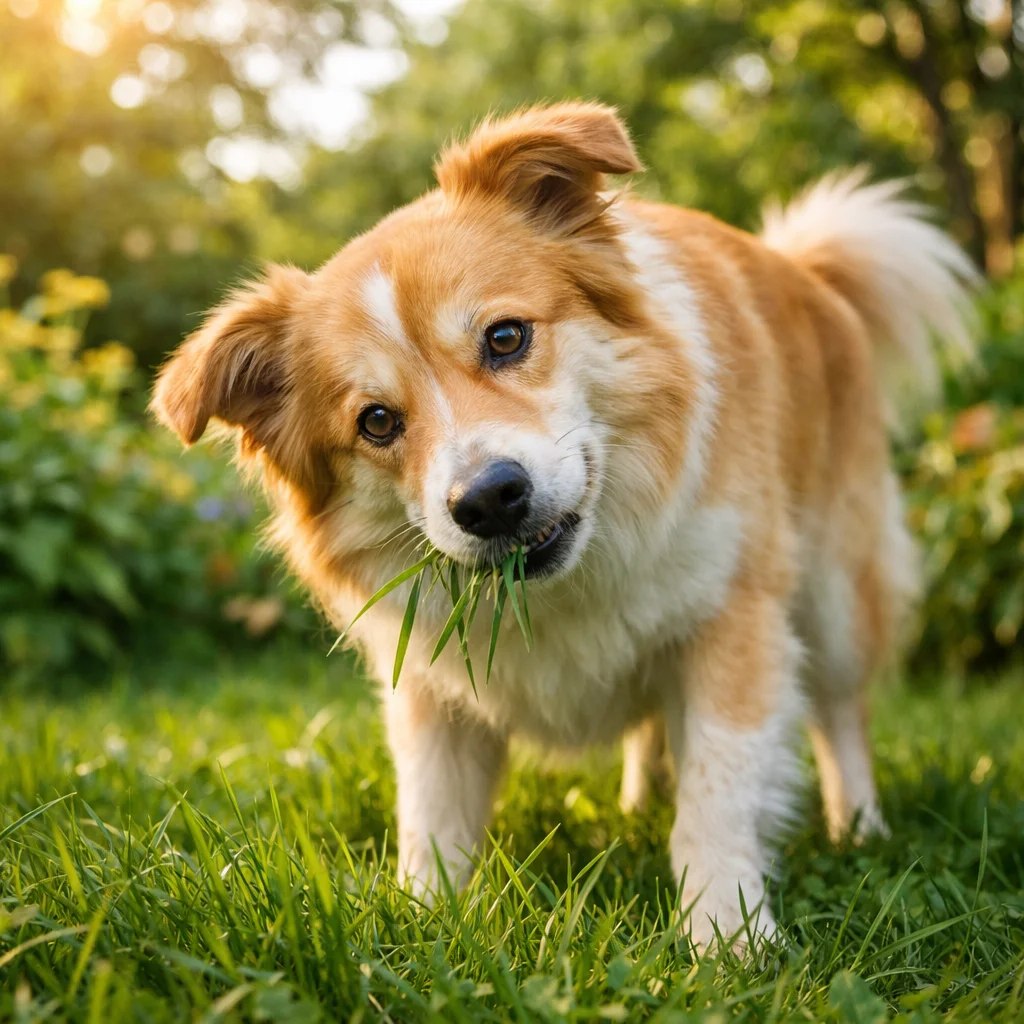
There are several reasons why dogs eat grass, and it’s often linked to both their diet and their natural instincts.
- Fiber: Dogs may eat grass when they have a fiber deficiency in their diet. Grass provides a natural source of fiber that can help with digestion and regulate the GI system.
- Stomach discomfort: If a dog feels upset stomach or has a stomachache, it might eat grass as a form of self-medication to induce vomiting and relieve the discomfort.
- Curiosity: Sometimes, dogs nibble on grass out of curiosity or because they enjoy the texture of it. It could also be related to boredom if they are not getting enough mental stimulation or interaction from their owners.
- Instinct: In the wild, animals like wolves would eat plants as part of a balanced diet, possibly to help with digestion or prevent parasites. This instinct can carry over to modern-day dogs.
- Medical conditions: If a dog’s grass-eating behavior is linked to vomiting, diarrhea, or other gastrointestinal distress, it could signal an underlying health problem, such as parasitic infections, vitamin deficiency, or other medical conditions..
Other Factors Behind Grass Eating
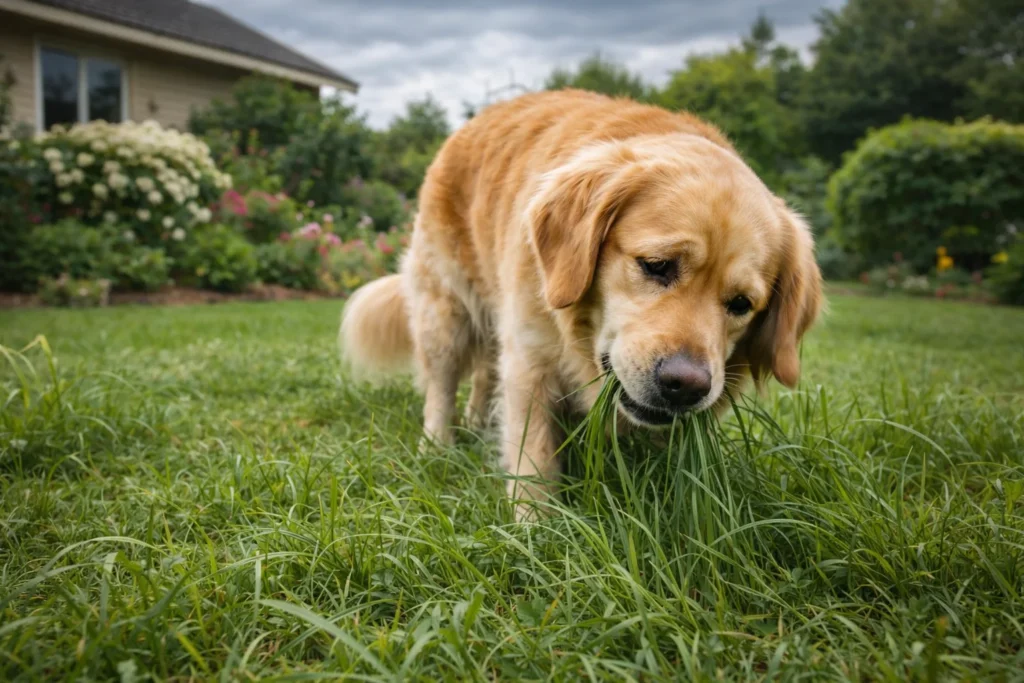
Several other factors contribute to why dogs may eat grass, and it’s often linked to both their behavior and the environment around them.
Steps:
- Boredom: Dogs that experience physical and mental boredom may seek out activities like exploration, such as grass-eating, to pass the time. Idle behavior and a lack of activity can lead to restlessness and excess energy, prompting them to nibble on grass.
- Attention-seeking behavior: Some dogs eat grass as a way of getting their owner’s attention, especially if it leads to a reaction. This can be a form of communication or an attempt to engage their owners in interaction.
- Stress relief: For some dogs, grass-eating might act as a form of stress relief or a coping mechanism. It may also serve as a form of exploration to release built-up tension or anxiety.
- Taste preferences: Dogs have individual taste preferences, and grass might be a tasty snack to some. They could find it palatable and enjoy the taste or texture, similar to how they explore different food choices and palatable food.
- Mental stimulation: Lack of environmental enrichment can lead dogs to engage in repetitive behaviors, including sniffing and eating grass. Mental stimulation from playtime, exercise needs, or training can help prevent this.
- Exploratory behavior: Dogs have an inherent investigative behavior and curiosity, which leads them to explore their environment. Grass-eating could be a way to satisfy this instinctive behavior, as they continue to learn and explore their surroundings.
When to Be Concerned
Why Did My Dog Eat Grass and Then Throw It Up?
If your dog eats grass and then vomits, it may be a natural response to an upset stomach or digestive discomfort. Many dogs eat grass to induce vomiting, which can help provide relief from nausea or irritation in the stomach lining. This behavior could be their way of soothing their digestive system and getting rid of whatever is causing them discomfort. However, if the vomiting continues, or if your dog shows signs of lethargy, diarrhea, or dehydration, it could signal more serious health issues like gastroenteritis or pancreatitis, and you should contact a veterinarian for medical treatment.
Should You Take Your Dog to the Vet for Eating Grass?
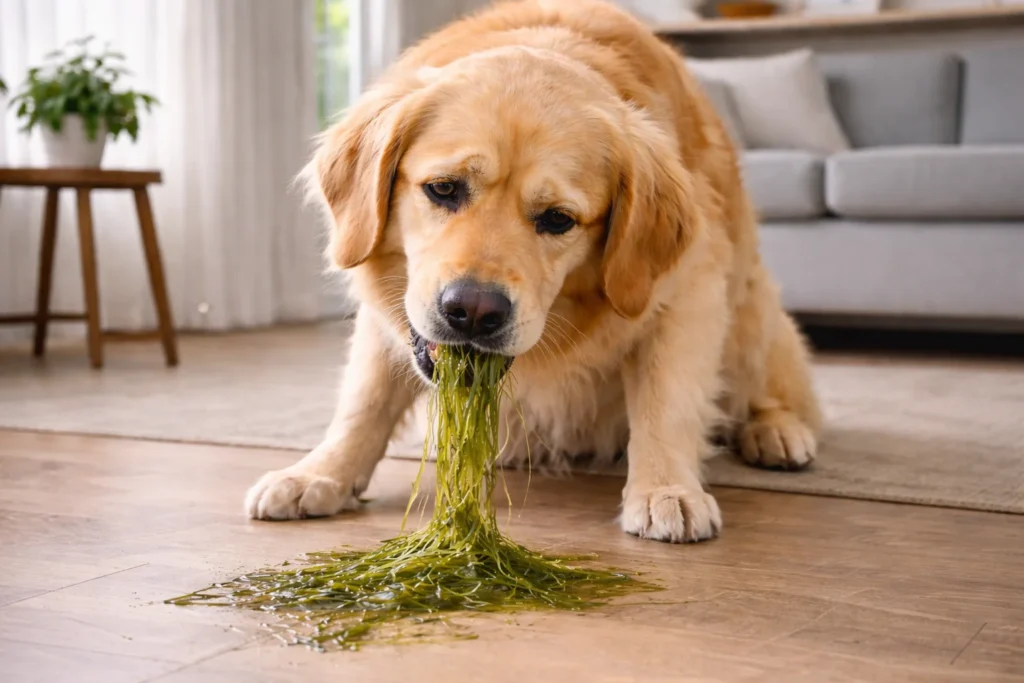
Eating grass is a normal and instinctual behavior for many dogs, but if it leads to vomiting, diarrhea, or other signs of illness, it’s worth considering a visit to the vet. If your dog’s grass-eating habits persist or seem linked to health concerns like vomiting, constipation, or tiredness, it could indicate a medical condition or that they are eating contaminated grass treated with pesticides or herbicides. A checkup can help ensure there are no toxic issues or deficiencies in their diet, like a lack of fiber, vitamins, or minerals, which may be affecting their wellness.
Is It Safe for Dogs to Eat Grass?
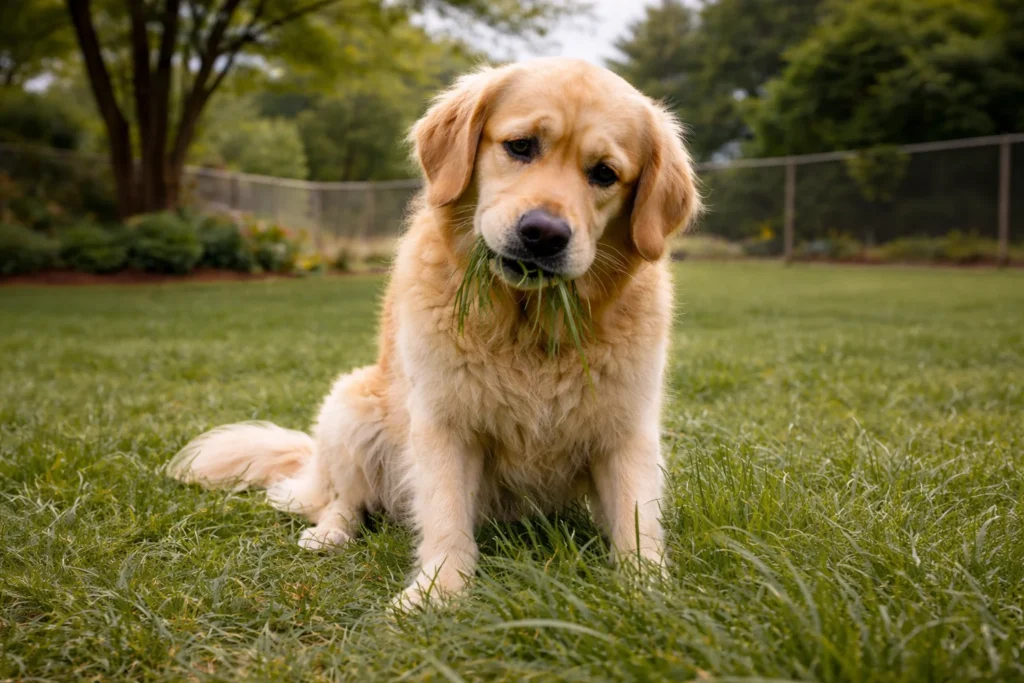
Eating grass is common among dogs, but there are some safety risks to be aware of. While it may not always cause harm, dogs can ingest harmful substances like pesticides, parasites, or fecal material from contaminated grass, leading to health problems.
Steps:
- Environmental toxins: Dogs can be exposed to harmful pesticides and insecticides that may cause sickness or vomiting.
- Parasites and bacteria: Intestinal parasites and harmful bacteria can be ingested, leading to gastrointestinal disease or intestinal tract issues.
- Signs of illness: Symptoms such as excessive salivation, nausea, vomiting, and diarrhea may appear if the grass is contaminated.
- Fecal material: Fecal-oral route exposure to parvovirus or other viruses can occur, especially in areas where fecal material is present.
- Vaccinations: Ensure your dog is vaccinated to protect against diseases like parvovirus, especially in puppies or unvaccinated dogs.
- Veterinary care: If symptoms persist, seek advice from a veterinary clinic for proper diagnosis and treatment.
How to Stop Your Dog From Eating Grass?
If your dog keeps eating grass, it may be due to boredom, behavioral issues, or even a digestive disorder. Here are some simple steps to help prevent your dog from grazing on the lawn or other plants.
Steps:
- Provide a high-fiber diet: Ensure your dog gets enough fiber in their meals, which can help reduce the urge to eat grass.
- Distract with toys: Offer a chew toy, Frisbee, or engage in an interactive game to keep your dog busy and prevent them from eating grass.
- Training: Use verbal reinforcement like saying “heel” when they try to eat grass, or provide petting as a reward for ignoring the grass.
- Monitor exercise: Make sure your dog is getting enough exercise to avoid boredom and stress, which may lead to unwanted behavior.
- Deterrent spray: Use a deterrent spray on your lawn or houseplants to make them less appealing to your dog.
- Consult with a vet: If the behavior continues, it may be linked to underlying health issues like intestinal parasites or pica behavior. Schedule an appointment with your vet for further evaluation.
What Should I Do If My Dog Eats Grass?
If your dog eats grass, it is often considered a natural behavior. However, if this behavior becomes excessive or your dog shows signs of illness afterward, it’s important to take action. Here are some steps to address the situation:
Steps:
- Monitor health: Keep an eye on your dog’s overall health. If they seem unwell after eating grass, it might indicate a dietary or health concern.
- Consult with a vet: If the behavior continues or your dog shows symptoms like vomiting or diarrhea, seek vet advice to rule out any medical issues.
- Ensure a balanced diet: Make sure your dog is on a healthy, AAFCO-approved diet suited for their life stage (puppy, adult, or senior). This will provide necessary vitamins and minerals for optimal health.
- Feed quality dog food: Consider vet-recommended dog foods like Hill’s Science Diet, Eukanuba, or Purina Pro Plan, which support their nutritional needs.
- Evaluate behavior: If the grass-eating behavior continues, work with your vet to identify any underlying behavioral or dietary problems and adjust accordingly.
Final Words
In conclusion, while eating grass is often a natural and harmless behavior for dogs, it’s important to pay attention to any signs of illness that may follow. If your dog’s grass-eating becomes excessive or leads to vomiting, it could indicate a dietary deficiency or health problem that needs attention. By ensuring a balanced diet, providing adequate mental stimulation, and seeking professional advice when necessary, you can keep your dog healthy and happy. Always remember, when in doubt, a visit to the vet is the best way to ensure your furry friend’s well-being.
Frequently Asked Questions:
Is there any significance to dogs eating grass?
Dogs eating grass is usually harmless and can be due to instincts, boredom, or a need for fiber. However, if it becomes excessive or leads to vomiting, it’s worth checking with a vet.
Is it okay to let your dog eat grass?
In moderation, it’s generally fine for dogs to eat grass. If it’s occasional, it helps with digestion, but if they vomit regularly afterward, you should consult a vet.
What could a dog be lacking in their diet when they eat grass?
Dogs may eat grass if they are lacking fiber or other nutrients in their diet. It could also be a sign of digestive discomfort, so ensure they have a well-balanced diet.
What should I do if my dog keeps eating grass?
If your dog frequently eats grass, ensure they’re getting enough fiber in their diet. You can also distract them with toys or consult a vet if the behavior persists.