Can Dogs Eat Mozzarella Cheese? Safety, Risks & Feeding Guide
Most healthy dogs can eat a tiny amount of plain mozzarella cheese occasionally, but lactose intolerance and its fat and calorie content can cause problems.
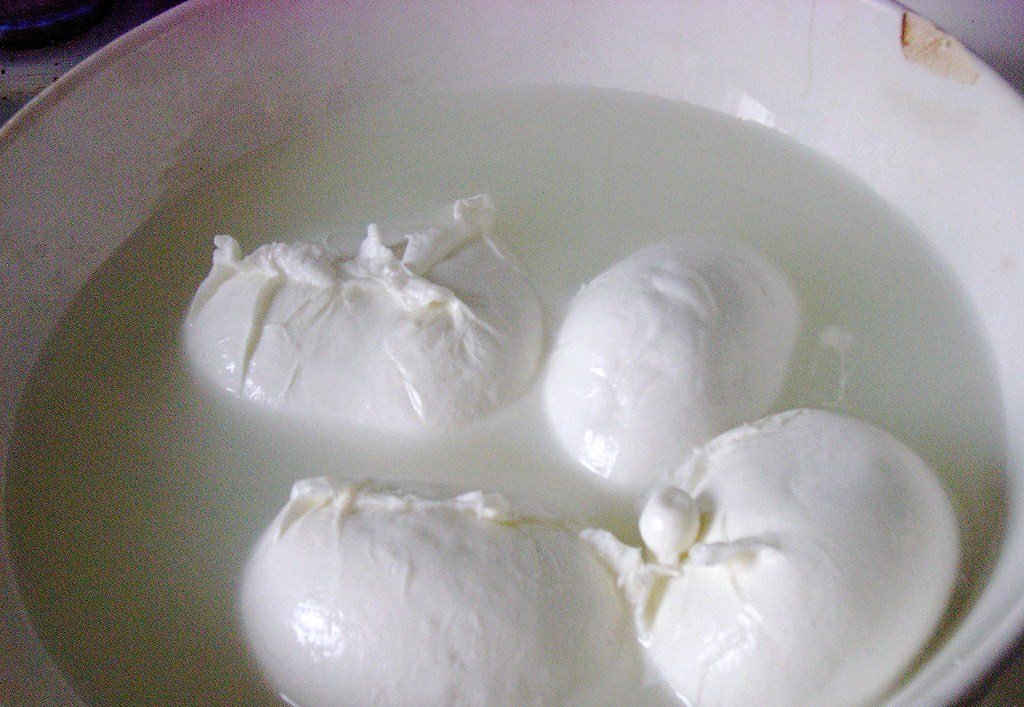
Most healthy dogs can eat a tiny amount of plain mozzarella cheese occasionally, but lactose intolerance and its fat and calorie content can cause problems. If you are asking “can dogs eat mozzarella cheese?”, the main issues are preparation, the amount eaten, and the dog’s individual health. The guidance below is intended for healthy dogs; ask your veterinarian before changing a prescription diet.
Can Dogs Eat Mozzarella Cheese?
Most healthy dogs can eat a tiny amount of plain mozzarella cheese occasionally, but lactose intolerance and its fat and calorie content can cause problems.
Part-skim mozzarella is generally lower in fat than many cheeses, yet it is not a necessary dog food. Dogs with pancreatitis or dairy intolerance should avoid it unless a veterinarian says otherwise.
What Makes Mozzarella Cheese Risky?
Diarrhea, gas, or vomiting may indicate that dairy does not agree with your dog. Cheese-containing prepared foods may contain unsafe ingredients.
Even foods that some dogs tolerate can cause problems if they are given too frequently, served in large pieces, or prepared with ingredients that are unsafe for dogs.
Choking, gastrointestinal and hygiene concerns
Pay attention to hard pieces, sharp edges, swallowed chunks, and contamination when handling animal products. Food safety matters for people in the household as well as pets, particularly around raw animal proteins.
Dogs with special health needs
Dogs with pancreatitis, recurring gastrointestinal upset, food allergies, diabetes, kidney disease, or veterinary prescription diets need individualized feeding advice. Do not use human foods as treatments for these conditions.
How to Serve Mozzarella Cheese More Safely
Offer only a small, plain, unseasoned piece; avoid cheese mixtures with garlic, onion, spices, or salty toppings. Cut stretchy pieces small so dogs do not gulp them.
- Check the ingredient list and condition. Avoid spoiled food and foods with unclear additions.
- Prepare carefully. Offer only a small, plain, unseasoned piece; avoid cheese mixtures with garlic, onion, spices, or salty toppings. Cut stretchy pieces small so dogs do not gulp them.
- Start small. Do not introduce a large serving of unfamiliar food.
- Supervise and monitor. Watch for choking, appetite changes, vomiting, diarrhea, or unusual behavior.
How Much Mozzarella Cheese Can a Dog Have?
There is no universally safe amount for every breed and health condition, and the answer may be none when the food is inherently risky. For suitable occasional treats, extras generally should not exceed about 10% of a dog’s daily calories, with the majority coming from complete and balanced dog food. This principle does not make unsafe foods acceptable or establish a safe amount of raw meat, fish, or bones.
Can Puppies Eat Mozzarella Cheese?
Puppies are more vulnerable to dietary imbalance and some foodborne illness risks. Do not give puppies hazardous bones, raw animal proteins, or inappropriate chews. For any optional food, check first with your veterinarian and keep their complete puppy diet as the main source of nutrition.
What if My Dog Ate Mozzarella Cheese Accidentally?
Consider what was eaten, how much, and whether there were bones, shells, raw ingredients or seasoning. Contact your veterinarian promptly if you suspect a choking or blockage hazard or exposure to potentially unsafe ingredients. Seek urgent help for trouble breathing, repeated vomiting, a painful abdomen, collapse, or marked lethargy. Do not induce vomiting unless a veterinarian directs you.
Related Dog Eat Guide Articles
For more targeted food safety information, read about egg shells, beef jerky. Each article has different preparation and safety concerns.
Frequently Asked Questions
Can dogs eat mozzarella string cheese?
Part-skim mozzarella is generally lower in fat than many cheeses, yet it is not a necessary dog food. Dogs with pancreatitis or dairy intolerance should avoid it unless a veterinarian says otherwise. When you are unsure what your dog ate or whether it is appropriate, consult a veterinarian.
Is mozzarella better than cheddar for dogs?
Diarrhea, gas, or vomiting may indicate that dairy does not agree with your dog. Cheese-containing prepared foods may contain unsafe ingredients. When you are unsure what your dog ate or whether it is appropriate, consult a veterinarian.
Can puppies eat mozzarella?
Offer only a small, plain, unseasoned piece; avoid cheese mixtures with garlic, onion, spices, or salty toppings. Cut stretchy pieces small so dogs do not gulp them. When you are unsure what your dog ate or whether it is appropriate, consult a veterinarian.
By the Dog Eat Guide Editorial Team. This page is for general education and does not replace individualized veterinary advice.
References