Can Dogs Eat Peanut Butter? Check the Actual Label
Some peanut butter can be offered to dogs in small amounts, but check the full ingredient label first. Never...
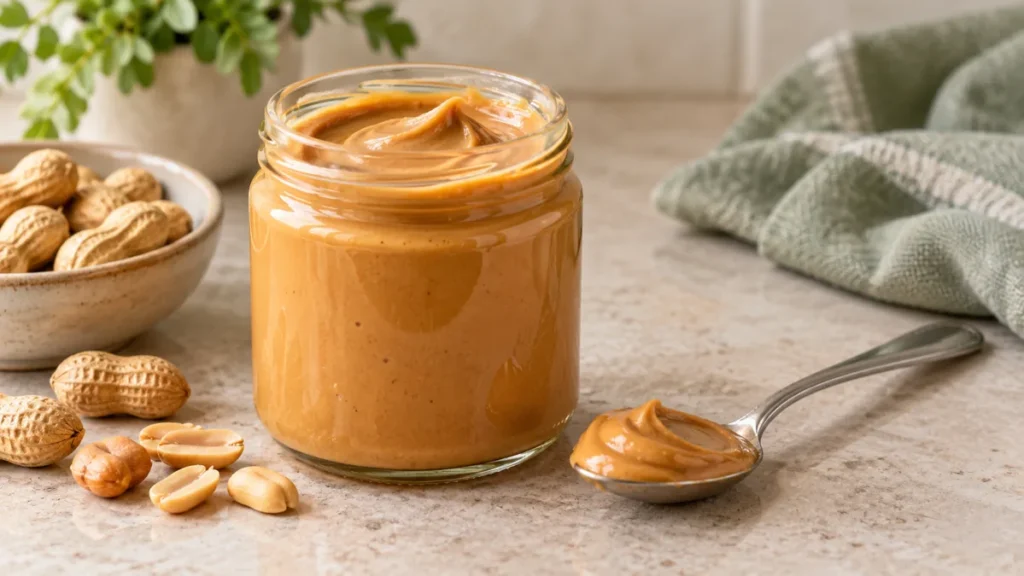
Some peanut butter can be offered to dogs in small amounts, but check the full ingredient label first. Never feed a product containing xylitol. A jar’s brand, front label or previous formula is not a substitute for reading the product you are about to use.
If your dog may already have eaten xylitol-containing peanut butter, contact your veterinarian, an emergency veterinary clinic or animal poison control immediately. Do not wait for signs of illness. The FDA’s xylitol guidance specifically includes some nut butters among potential sources.
Can Dogs Eat Peanut Butter From This Jar?
Turn the container around and read the ingredient list. Check the actual flavor and formulation, even if another jar from the same brand was suitable before. If the label is missing or unreadable, use a known alternative instead.
- Identify the exact product rather than only the brand.
- Read the complete ingredient list.
- Look specifically for xylitol and alternative labeling such as birch sugar or wood sugar.
- Check what else has been added and whether the product fits your dog’s feeding plan.
- Measure a small selected portion before offering it.
Keep these checks separate from taste or smell. A dog enjoying a product does not tell you whether its ingredients are suitable. A product marketed for human health also needs the same review.
Why Xylitol Changes the Answer
Xylitol can cause dangerous low blood sugar in dogs, and serious poisoning can occur. The FDA’s animal-health guidance advises prompt professional contact after suspected ingestion.
If an exposure happens, keep the package, estimate what is missing and note the time. Have your dog’s approximate weight available when you call. These details help the professional assess the situation; an online snack guide should not be used to calculate a home treatment.
Do not delay a call while searching for a list of safe brands. The relevant question is what your dog may have swallowed from this particular container.
What Does Natural Peanut Butter Mean?
Do not treat the word natural as a safety certificate. Read the ingredients and choose a simple product appropriate for your dog. The AKC peanut-butter guide favors simple unsalted options and emphasizes moderation.
Compare the ingredient list and serving information on two jars rather than choosing only by the front label. If one is a dessert spread, a flavored blend or a powdered mix, evaluate that specific preparation instead of assuming it is interchangeable with plain ground peanuts.
How to Keep the Portion Deliberate
Peanut butter is rich in fat and calories, so a large spoonful is not an automatic serving. Ask your veterinary team what amount fits your dog’s health and overall diet, especially when dietary restrictions are involved.
Measure the selected amount before putting it onto a spoon, mat or toy. Filling every available groove is a way to choose the amount accidentally. A premeasured portion keeps the feeding decision separate from the size of the enrichment item.
Count every ingredient if you mix a homemade snack. Adding banana, yogurt or another food does not make the peanut butter disappear from the day’s extras. Agree with other caregivers about who is giving rewards so the same allowance is not used repeatedly.
Using Peanut Butter With Toys or Medication
If you use an enrichment toy, choose one appropriate for your dog and follow its instructions. Supervise its use, and clean it after feeding rather than repeatedly adding fresh food to old residue.
If you want to use peanut butter to help give medicine, check with the prescribing veterinary team first. Ask whether the medication can be given with food and whether the proposed food suits your dog. Do not alter a medication’s preparation or instructions based on a treat article.
Frequently Asked Questions
Is crunchy peanut butter automatically unsuitable?
Texture is only one part of the decision. The ingredient check, measured amount and your dog’s ability to manage the food still come first. Ask your veterinary team if you are unsure which texture to use.
Is a dog-specific label enough?
Still read the product and feeding instructions. Keep the container available, and review the label when you buy a replacement.
Which other snacks should I compare?
Our cracker guide covers another packaged-food label decision. For plain fruit alternatives, use the fruit guide. Choose foods individually rather than assuming all human snacks are interchangeable.
Can Puppies Eat Peanut Butter?
PetMD includes small amounts of suitable peanut butter as an option for puppies. The label check still comes first: avoid xylitol and check every ingredient. Use a tiny measured smear rather than a sticky spoonful, and choose a feeding toy appropriate to the puppy’s size and chewing behavior.
Do not let repeated training rewards turn into an unmeasured extra meal. Ask your veterinary team before introducing it during weaning, illness or a diet trial.
Sources