Can Dogs Eat Peppers? Safety, Risks & Feeding Guide
Yes—dogs can eat small amounts of plain sweet bell peppers, including red, green, yellow, and orange varieties. Hot chili peppers should not be offered.
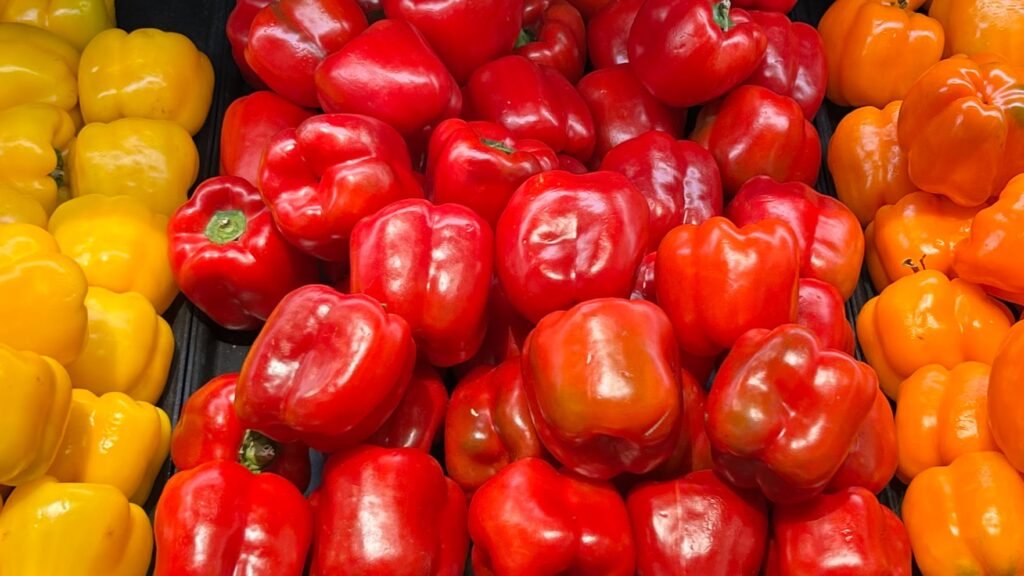
Can dogs eat peppers? Yes—dogs can eat small amounts of plain sweet bell peppers, including red, green, yellow, and orange varieties. Hot chili peppers should not be offered. Always offer a small amount at first and do not replace complete dog food with human foods.
Can Dogs Eat Peppers?
Sweet bell peppers do not contain the capsaicin responsible for chili heat, while jalapeños, cayenne, and other hot peppers can irritate a dog’s mouth and gastrointestinal tract.
Avoid hot chili peppers, pepper flakes, spicy sauces, and dishes containing onion, garlic, excessive salt, oil, or seasonings. Even plain bell peppers may cause gas, vomiting, or diarrhea if fed in large quantities.
Are There Nutritional Benefits?
Peppers provides varying amounts of fiber, vitamins, minerals, and plant compounds. However, a complete and balanced dog food already supplies nutrients needed for most healthy dogs. Adding a vegetable does not automatically improve health or cure a disease. Its most practical use is a small occasional snack.
Fiber and the digestive system
Fiber can influence digestion, but the right quantity differs among dogs. Adding too much suddenly can lead to gas, diarrhea, or vomiting. Green, yellow, orange, and red sweet bell peppers are all reasonable occasional treats. Pepper variety matters much more than color: bell peppers are different from spicy chilies.
Can dogs eat the seeds or stems?
Bell-pepper seeds are not known to be poisonous but should be removed with the core and stem for easier serving. Do not confuse them with spicy pepper seeds and membranes, which can carry irritating capsaicin.
Dogs with medical conditions
Consult your veterinarian before offering new treats if your dog has diabetes, chronic gastrointestinal disease, pancreatitis, a food allergy, or a prescription diet. Avoid trying to manage medical symptoms solely through food additions.
How to Prepare Peppers for Dogs
- Pick fresh produce. Discard spoiled or moldy vegetables.
- Wash and trim. Rinse a fresh bell pepper, remove its stem, core, and seeds, cut into small pieces, and serve plain. Steaming without seasoning can help dogs that find raw pepper skin difficult to chew.
- Keep it plain. No onion, garlic, sauces, butter, or spices.
- Use bite-sized pieces. Adapt to your dog’s size and chewing habits.
- Introduce slowly. Begin with a very small amount and monitor for changes in appetite or stool.
Portion and Feeding Guidance for Peppers
There is no universal portion suitable for every dog. For healthy dogs, start with a small taste and assess tolerance. In general, treats and extras together should provide no more than about 10% of daily calories; most nutrition should come from complete and balanced dog food. The 10% principle is not an instruction to feed that amount of this vegetable.
Can Puppies Eat Peppers?
A puppy already eating a complete puppy diet may tolerate a tiny, properly prepared piece, but extra foods can crowd out growth nutrition. Ask your veterinarian before giving unfamiliar foods to very young puppies or those with digestive issues.
What if My Dog Eats Too Much?
Excess peppers can cause gas, loose stools, vomiting, or discomfort. Stop offering it and contact your veterinarian if signs continue or your dog seems unwell. Repeated vomiting, severe abdominal pain, marked lethargy, inability to swallow, or breathing difficulty requires urgent veterinary care. Do not induce vomiting unless a veterinarian instructs you.
Related Dog-Safe Vegetable Guides
For similar feeding questions, see our articles about red bell peppers, broccoli, potatoes, sweet potatoes. These guides explain why preparation and ingredients matter as much as the vegetable itself.
Frequently Asked Questions
Can dogs eat green peppers?
Yes—dogs can eat small amounts of plain sweet bell peppers, including red, green, yellow, and orange varieties. Hot chili peppers should not be offered. Start with a small amount and consult a veterinarian if your dog has health concerns.
Can dogs eat red bell peppers?
Sweet bell peppers do not contain the capsaicin responsible for chili heat, while jalapeños, cayenne, and other hot peppers can irritate a dog’s mouth and gastrointestinal tract. Start with a small amount and consult a veterinarian if your dog has health concerns.
Can dogs eat spicy peppers?
Bell-pepper seeds are not known to be poisonous but should be removed with the core and stem for easier serving. Do not confuse them with spicy pepper seeds and membranes, which can carry irritating capsaicin. Start with a small amount and consult a veterinarian if your dog has health concerns.
Can dogs eat raw bell peppers?
Green, yellow, orange, and red sweet bell peppers are all reasonable occasional treats. Pepper variety matters much more than color: bell peppers are different from spicy chilies. Start with a small amount and consult a veterinarian if your dog has health concerns.
By the Dog Eat Guide Editorial Team. This is general educational content, not individualized veterinary advice.
Can Dogs Eat Cooked Bell Peppers?
Plain cooked sweet bell pepper can be an option. Steaming softens its skin for dogs that struggle with the raw texture, as PetMD’s bell-pepper guide explains. Remove the stem and seed core, cook without added fat or seasoning, cool and divide a small amount into manageable pieces.
Cooked green bell pepper and a pepper from fajitas are different foods. Check the complete dish for onion, garlic, spice blends and sauces. Cooking a hot chili pepper does not turn it into a sweet bell pepper.
References