Can Dogs Eat Corn? Kernels Are Different From Cobs
Dogs can eat small amounts of plain corn kernels, but never deliberately offer a corn cob. A swallowed cob...
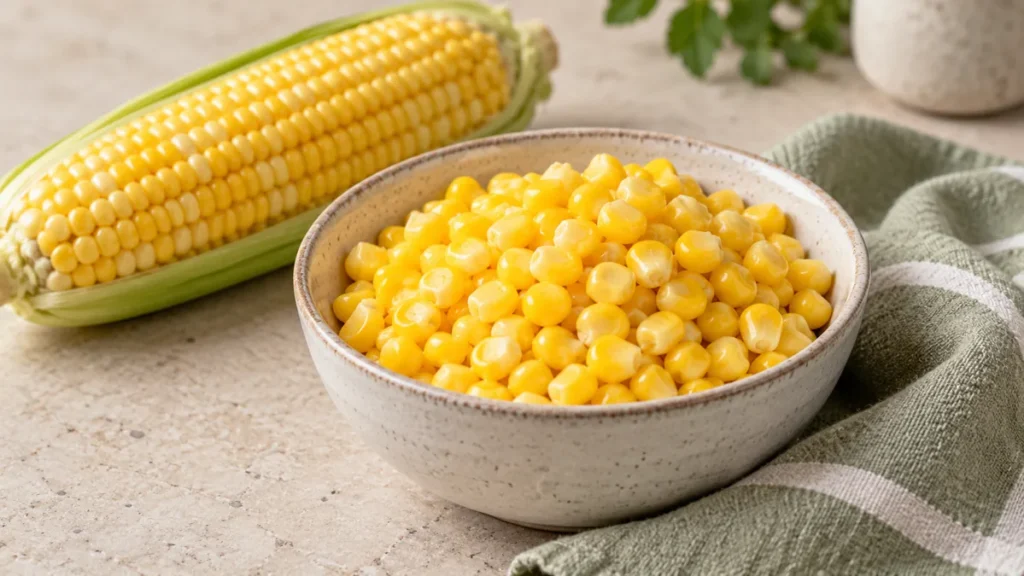
Dogs can eat small amounts of plain corn kernels, but never deliberately offer a corn cob. A swallowed cob can cause an intestinal blockage. If your dog may have eaten part of a cob, contact your veterinarian promptly rather than waiting to see whether it passes.
The AKC corn guide separates the edible kernels from the cob hazard. Keeping that distinction clear is especially important at cookouts and family meals.
Can Dogs Eat Corn Off the Cob?
For a planned snack, choose a small portion of plain kernels removed from the cob. Do the preparation away from your dog and put the discarded cob straight into secure waste storage.
Do not hold a cob for your dog to nibble. The goal is a selected portion of kernels, not a situation where the dog can grab the remaining cob before you can remove it.
Why Corn Cobs Need Prompt Advice
The FDA lists corn cobs among items that can obstruct the digestive tract. This is a physical hazard even though corn kernels can be used as food.
If a cob is missing, tell your veterinarian approximately how much may have been swallowed, whether you saw chewing, and when access happened. Explain if several pets were present. A dog looking normal immediately afterward does not establish that the material will pass safely.
Do not induce vomiting, give a large meal or try a household remedy without veterinary instructions. If the clinic recommends a visit, bring photographs or the remaining pieces to help describe the exposure.
Check the Whole Cookout Plate
| Food situation | Decision |
|---|---|
| Plain kernels in a separate dish | Measure a small portion if corn suits the dog’s diet. |
| Buttered or seasoned corn | Use a separate plain preparation instead. |
| Corn salad | Read the whole recipe, including dressing and other vegetables. |
| Discarded cob or husk | Keep inaccessible; seek advice after suspected ingestion. |
| Corn-based snack food | Assess the actual product rather than only its main grain. |
Other risks can come with outdoor meals. The AKC cookout guide discusses why food scraps and discarded items need careful management. Check under tables and chairs before allowing the dog into a cleared eating area.
Prepare and Account for a Small Serving
- Choose a plain preparation with known ingredients.
- Remove kernels and secure the cob and waste.
- Set aside a small amount and let cooked food cool.
- Supervise the snack.
- Tell other caregivers it has already been offered.
There is no need to make corn part of every meal. A dog that does not enjoy it can have another appropriate reward. For a restricted diet, check the feeding plan before introducing any extra.
Corn in a Complete Diet Is a Different Decision
Do not judge an entire dog-food formula by a single ingredient or use this snack guide to design a homemade diet. Discuss concerns about the main food with your veterinary team and bring the exact product details.
Frequently Asked Questions
Can I give just a small piece of cob?
Do not deliberately feed any cob. Report a suspected ingestion and let the veterinary team assess the individual situation.
Does cooking make the cob suitable?
No. Keep cooked cobs out of reach as well.
What other foods need preparation checks?
Our potato guide and broccoli guide discuss their own edible parts and preparations. Do not transfer the answer for one food to every part of another.
Sources