Can Dogs Eat Green Beans? Plain Preparation and Portions
Dogs can eat small amounts of plain green beans, but the ingredients and preparation matter. Choose a simple form,...
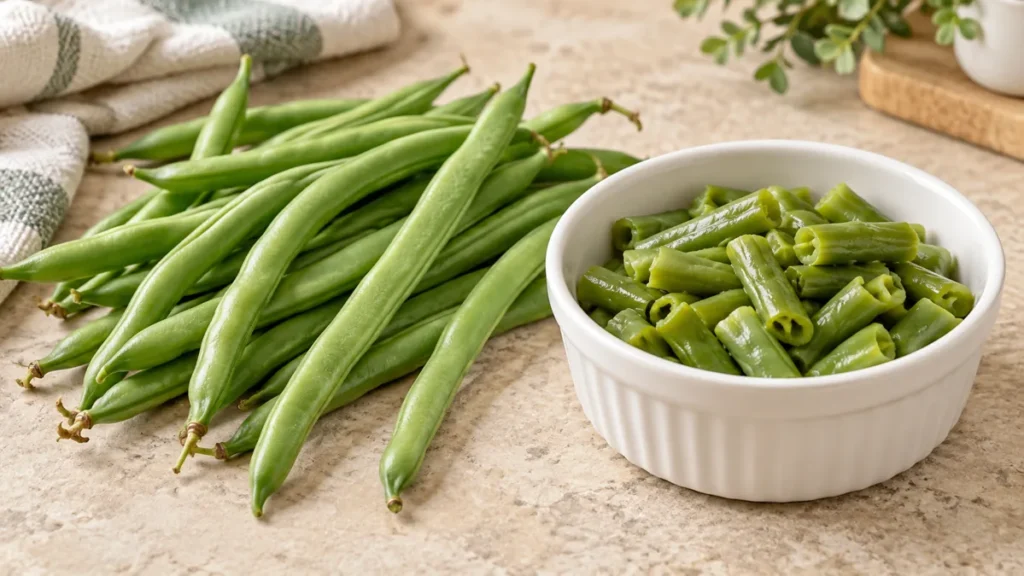
Dogs can eat small amounts of plain green beans, but the ingredients and preparation matter. Choose a simple form, divide it into manageable pieces and keep it an optional snack. A seasoned casserole or a homemade weight-loss diet is a different decision.
The American Kennel Club’s green-bean guidance discusses plain raw or cooked beans and cautions against added salt, butter and garlic. For planned feeding, setting aside a plain portion is the most straightforward approach.
Which Green Beans Should You Choose?
Fresh beans let you control the preparation from the start. Frozen products need a label check to distinguish plain vegetables from a seasoned mixture. Canned products also vary, so do not assume every can has the same ingredients.
| Form | Decision before feeding |
|---|---|
| Fresh green beans | Wash, prepare plainly and cut for your dog. |
| Frozen green beans | Check whether they are plain or part of a prepared mixture; follow preparation directions. |
| Canned green beans | Read the ingredients for added salt and other additions; fresh or plain cooked beans are simpler choices. |
| Green-bean casserole | Evaluate the full dish; do not apply the answer for plain beans. |
Keep the actual label available until the food is put away. If you change brands or buy a different flavor, read it again. A previous decision about one product does not automatically apply to a new one.
A Plain Preparation Workflow
Separate the dog’s selected portion before making the human dish. Wash the beans, cook them plainly if that is the form you choose, let them cool and cut them to suit your dog’s eating habits.
Use a small dish to hold the portion. This gives you a visible limit rather than leaving the serving decision to repeated handfuls. Put the remaining vegetables away before you offer the snack.
Watch your dog eat. A long bean that one dog chews comfortably may be swallowed quickly by another. If your dog has difficulty chewing or swallowing food, ask your veterinarian about appropriate textures and feeding methods.
Why Seasonings Need Their Own Check
The bean is only one part of a recipe. The AKC’s holiday-food guidance recommends keeping green beans plain. That is particularly useful when several people are preparing a meal and the dog is likely to receive leftovers.
Ask what is in the whole dish, including sauces and toppings. If the recipe is unknown, keep it for people. If your dog has already eaten a questionable dish, write down the ingredients you do know and contact your veterinarian for exposure-specific advice.
Green Beans Are Not a Complete Weight-Loss Diet
A low-calorie snack and a balanced weight-management plan are different things. Do not replace a substantial part of your dog’s meals with green beans based on a social-media recipe.
The WSAVA nutrition guidelines support individualized nutrition planning. If weight is the concern, ask your veterinary team for a plan that specifies the main food, measured daily amount and permitted extras.
Before that appointment, make a record of what your dog actually eats: food portions, treats, chews, table food and anything another household member provides. The record can help reveal where unplanned extras enter the day. Do not quietly make several diet changes at once and then try to reconstruct them afterward.
Portion Decisions at Home
Start with a small amount if your veterinarian agrees green beans suit your dog. Include them in the day’s total extras rather than treating vegetables as uncounted food.
For training, put the selected pieces into a container before the session. For a meal topper, decide the portion before adding it to the bowl. Both approaches make the amount easier to keep consistent.
If your dog dislikes green beans, there is no need to hide increasing amounts in dinner. Use a suitable reward your dog already enjoys, or ask your veterinary team about alternatives.
Frequently Asked Questions
Can green beans replace dog food?
Do not use a green-bean-only or vegetable-heavy substitute for your dog’s complete diet. Ask for professional help with meaningful changes to the feeding plan.
Are all canned beans equivalent?
No. Check the specific label. Beans with added salt or seasoning do not match a plain fresh preparation.
Are lima beans the same topic?
No. Our lima bean guide addresses that food separately. For another vegetable comparison, see our broccoli guide. Use the preparation advice for the food you actually have.
Sources