Can Dogs Eat Liquorice? Safety, Risks & Feeding Tips
Liquorice (licorice) candy is not a recommended treat for dogs. Check the exact ingredients: some candy is flavored with anise rather than genuine licorice root, while sugar-free products may contain toxic xylitol.
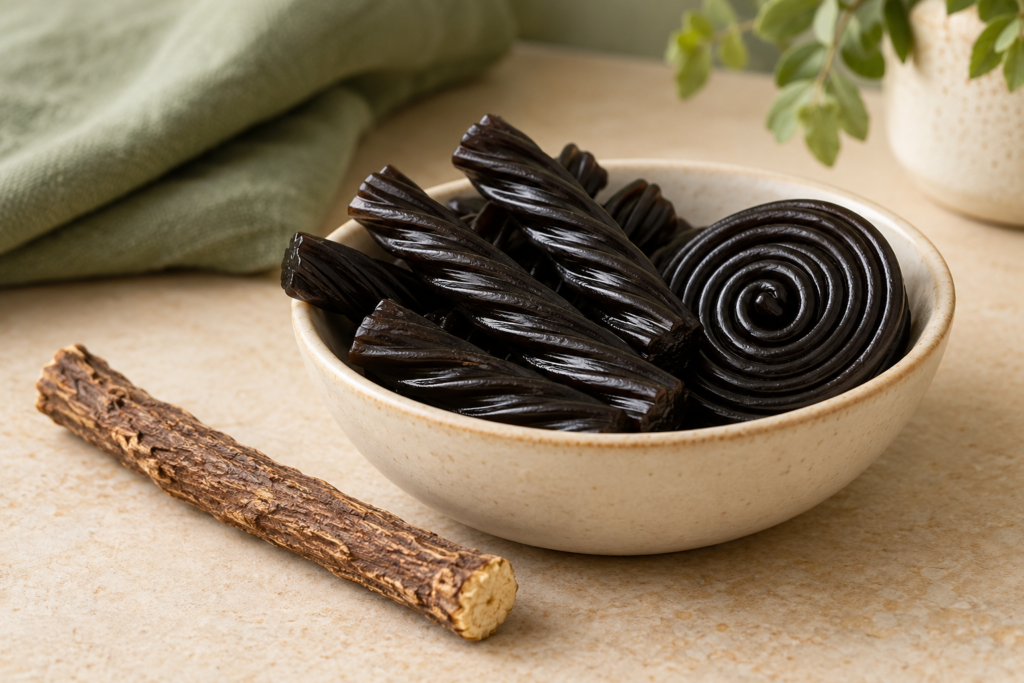
Can dogs eat liquorice? Liquorice (licorice) candy is not a recommended treat for dogs. Check the exact ingredients: some candy is flavored with anise rather than genuine licorice root, while sugar-free products may contain toxic xylitol. Before giving your dog a new food, check both its form and full ingredient list. Read on for the important risks, practical preparation advice, and signs that warrant veterinary attention.
Can Dogs Eat Liquorice?
Liquorice (licorice) candy is not a recommended treat for dogs. Check the exact ingredients: some candy is flavored with anise rather than genuine licorice root, while sugar-free products may contain toxic xylitol.
Real licorice root contains glycyrrhizin, a compound with potential effects on fluid and electrolyte regulation, especially with substantial or prolonged exposure. Specific dog toxicity thresholds are not well established. A controlled study of selected low doses did not observe blood-pressure or electrolyte changes, so it would be misleading to call every trace dose poisonous.
Which Types of Liquorice Should Dogs Avoid?
Avoid black or red liquorice candy, licorice-root supplements, mixed sweets, and sugar-free candy. Sticky sweets can be swallowed in large lumps; rich sugary products can upset digestion.
| Type or situation | Feeding guidance |
|---|---|
| Plain product or ripe flesh | Only consider the specific suitable form described above, in a very small quantity. |
| Sweetened or mixed products | Check all ingredients and avoid unsafe additives. |
| Large amounts | May cause digestive upset or other food-specific problems. |
| Dog on a prescription diet | Ask the veterinarian before introducing new food. |
Potential Benefits and Important Limitations
Even foods that contain vitamins, minerals, or beneficial microorganisms are not automatically healthier for dogs. A complete and balanced dog food already provides the essential nutrients a healthy dog needs. No unverified therapeutic claims should be used to justify giving liquorice.
How to Prepare Liquorice More Safely
There is no need to feed liquorice. Choose a dog-specific treat instead, or small pieces of a safe fruit. If an accidental exposure occurred, check the package for xylitol and contact a veterinarian promptly if present.
- Identify the exact food and its ingredients.
- Avoid inappropriate parts, seasoning, sweeteners, and other additives.
- When the food is suitable, begin with only a small taste.
- Watch for vomiting, diarrhea, discomfort, skin changes, or unusual behavior.
How Much Liquorice Can a Dog Eat?
There is no single evidence-based serving size for every dog. For foods suitable as occasional treats, all treats together should usually remain within about 10% of daily calories, and the main diet should be complete and balanced. This does not make an unsuitable food safe; for foods that should be avoided, the recommended amount is none.
Can Puppies Have Liquorice?
Puppies need a complete growth diet and are more vulnerable to dietary imbalance. Avoid introducing unusual treats without first asking your veterinarian, especially for very young puppies or those with digestive sensitivity.
What if My Dog Ate Liquorice Accidentally?
Identify the ingredients and estimate the amount eaten. Contact a veterinarian promptly if a potentially toxic ingredient, unsafe plant material, or concerning quantity was swallowed. Seek urgent care for repeated vomiting, pronounced weakness, collapse, breathing difficulty, or severe abdominal pain. Do not induce vomiting unless a veterinarian instructs you to.
Related Dog Eat Guide Articles
For related feeding questions, see our fruit safety guide and guide to getting veterinary advice.
What if my dog ate sugar-free liquorice?
By Dog Eat Guide Editorial Team. This article is for general education and is not a substitute for individualized veterinary advice.
References