Can Dogs Eat Pumpkin Seeds? Safety, Risks & Feeding Tips
Plain pumpkin seeds are not established as toxic to dogs, but they should only be an occasional small treat.
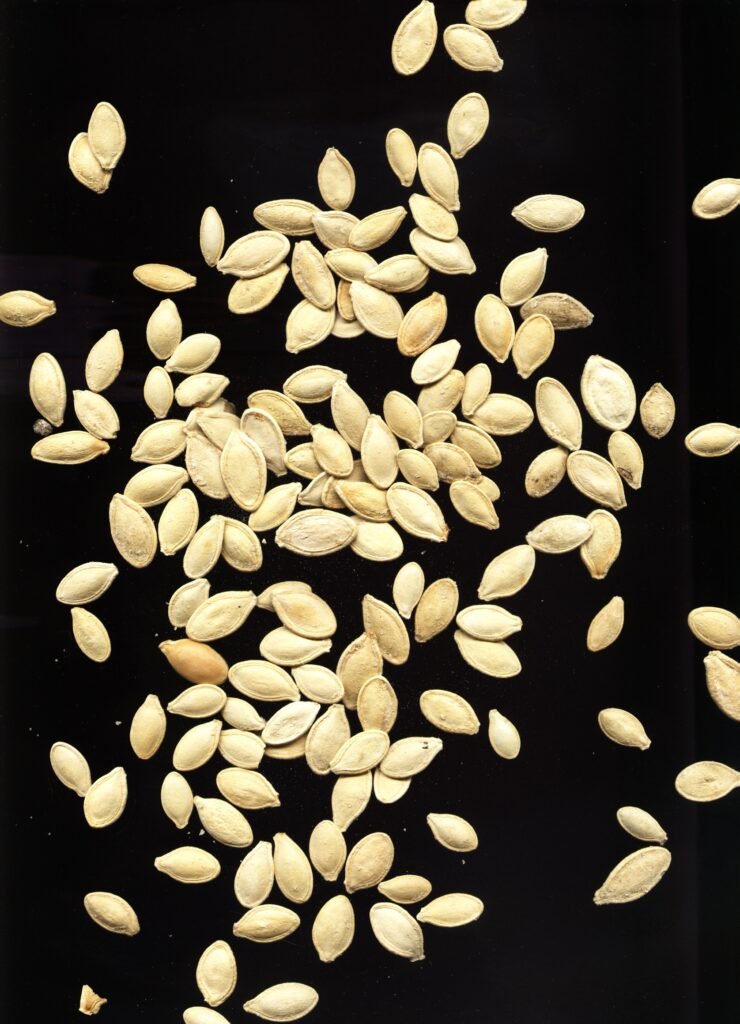
Plain pumpkin seeds are not established as toxic to dogs, but they should only be an occasional small treat. If you are asking “can dogs eat pumpkin seeds?”, check the ingredients and preparation before offering any. The safety of a packaged food depends on more than the name on the label.
Can Dogs Eat Pumpkin Seeds?
Plain pumpkin seeds are not established as toxic to dogs, but they should only be an occasional small treat.
Seeds are calorie-dense and can upset digestion. Hard whole seeds or shells may be harder for some dogs to chew.
Avoid salted, spicy, garlic-flavored, sweetened or oil-heavy pumpkin seeds. Do not rely on pumpkin seeds to treat intestinal worms.
What Ingredients or Forms Should Dogs Avoid?
| Form or ingredient | Advice |
|---|---|
| Plain, simple version | Follow the food-specific guidance above; small amounts are not always necessary or recommended. |
| Sweetened or seasoned product | Check the ingredient label and avoid risky additions. |
| Xylitol (birch sugar) | Never feed; contact a veterinarian immediately if ingested. |
| Large serving | May cause digestive upset or excessive calories. |
Why Can Pumpkin Seeds Cause Problems?
Digestive upset
Seeds are calorie-dense and can upset digestion. Hard whole seeds or shells may be harder for some dogs to chew. Dogs with sensitive stomachs may react even to unfamiliar food that is not poisonous.
Added ingredients
Avoid salted, spicy, garlic-flavored, sweetened or oil-heavy pumpkin seeds. Do not rely on pumpkin seeds to treat intestinal worms. Ingredient lists are especially important for processed or flavored products.
Diet and medical conditions
Dogs with diabetes, pancreatitis, food allergies, obesity, gastrointestinal disease or a prescription diet should not receive unapproved extras. Ask the veterinarian managing their care.
How to Offer Pumpkin Seeds More Safely
For dogs that can tolerate them, use a tiny amount of plain, unsalted, appropriately chopped or ground seeds; ask a veterinarian about feeding them regularly.
- Check ingredients: Know exactly what is in the product.
- Consider your dog’s diet: Avoid extras when a veterinarian has prescribed dietary restrictions.
- Use a tiny portion if appropriate: Start small, not with a full human serving.
- Monitor: Watch for vomiting, diarrhea, pain or behavior changes.
How Much Pumpkin Seeds Can a Dog Eat?
There is no universal safe serving size. For foods appropriate as treats, all treats combined should usually make up no more than roughly 10% of a dog’s daily calories. This principle does not make hazardous ingredients safe. Foods high in fat, sugar or salt are best avoided even when a small portion might not be toxic.
What if My Dog Ate Pumpkin Seeds?
Check the complete ingredients, estimate the amount and contact your veterinarian or animal poison service promptly if xylitol, chocolate, raisins or another toxic ingredient could be present. Seek urgent veterinary help for repeated vomiting, marked weakness, tremors, collapse, difficulty breathing or severe abdominal pain. Never try to induce vomiting without veterinary direction.
Can Puppies Eat Pumpkin Seeds?
Puppies require complete growth diets and can be especially sensitive to dietary changes. Avoid unnecessary processed snacks; ask a veterinarian before introducing unfamiliar human food to a puppy.
Related Dog Eat Guide Articles
For more ingredient-specific guidance, see pumpkin, bread, gummy bears. Different foods can have different ingredient and preparation risks.
Frequently Asked Questions
Is plain pumpkin seeds toxic to dogs?
Plain pumpkin seeds are not established as toxic to dogs, but they should only be an occasional small treat. The ingredient list matters if a prepared product is involved.
Can dogs eat pumpkin seeds every day?
It is not necessary as part of a complete diet. Regular use of rich processed treats can create nutritional and digestive problems.
When should I call a veterinarian?
Call for known toxic ingredients, a large or uncertain amount, or persistent symptoms. Seek emergency care for collapse, severe weakness, breathing trouble or repeated vomiting.
By Dog Eat Guide Editorial Team. This article is general pet nutrition education and does not replace individualized veterinary advice.
Raw Versus Roasted Pumpkin Seeds
Yalesville Veterinary Hospital’s preparation guidance discusses plain raw or cooked seeds, cleaned and hulled. If roasting them, leave off oil, salt, spices and sweet coatings. Divide or grind a small selected amount if whole seeds are difficult for your dog to manage.
Raw seeds are not a reason to feed the fibrous shell, and roasted snack mixes are not the same product as plain kernels. Do not use either form as a replacement for veterinary parasite diagnosis or prescribed deworming. Preparation changes the texture and ingredients, not the need to keep this an optional extra.
Sources