Can Dogs Eat Peas? Plain Snacks and Diet Questions
Dogs can eat small amounts of plain peas as an occasional extra, but the preparation and overall diet still...
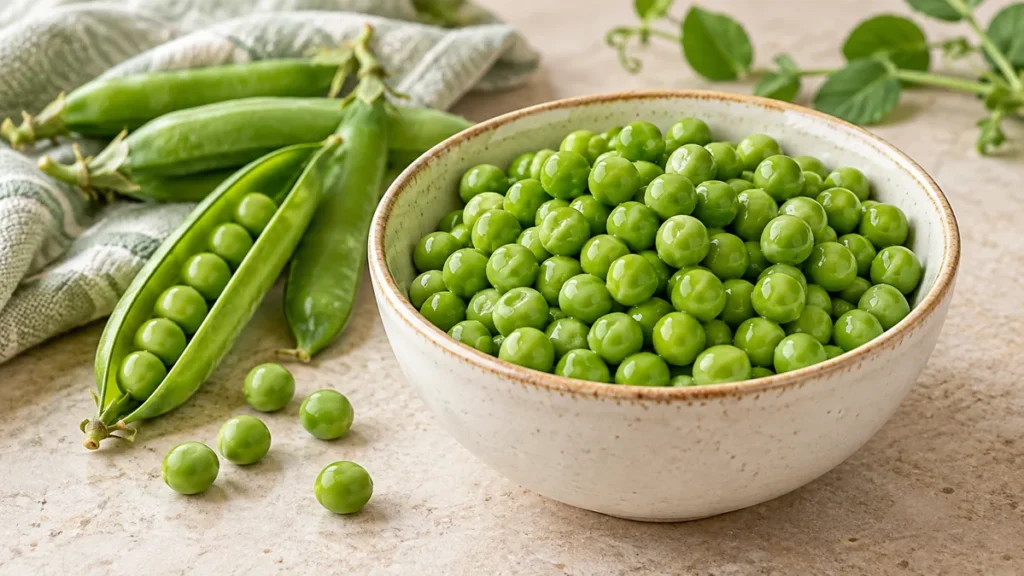
Dogs can eat small amounts of plain peas as an occasional extra, but the preparation and overall diet still matter. A spoonful set aside from meal preparation is a different question from choosing a complete dog food or replacing meals with vegetables.
The AKC pea guide discusses common edible peas as possible treats. Before sharing, identify the product you have and anything added to it.
Can Dogs Eat Peas Fresh, Frozen or Canned?
Plain fresh peas and plain cooked peas are straightforward to evaluate. Check a frozen bag for sauces or other additions, and follow its preparation directions. Do not assume a frozen vegetable product is ready to serve just because it looks plain.
Canned products need a label check for salt and other ingredients. A separate plain preparation is easier to assess than peas taken out of a mixed finished dish.
| Form | What to check |
|---|---|
| Fresh shelled peas | Cleanliness, selected amount and suitability for your dog. |
| Frozen peas | Ingredients and package preparation instructions. |
| Canned peas | Added salt, sauces and the full label. |
| Creamed or seasoned peas | The whole recipe, not only the vegetable. |
What About Pea Pods?
Do not treat all pods as interchangeable. Identify the variety and assess the texture and size. The AKC distinguishes edible pods from forms people normally shell; the simplest choice when uncertain is plain shelled peas prepared for the dog.
Keep garden and preparation waste out of reach. A dog getting an unknown amount of plant material is a different situation from a selected snack portion.
Are Peas in Dog Food the Same Question?
No. The FDA’s discussion of non-hereditary dilated cardiomyopathy concerns complex associations involving whole diets. It does not establish that a few plain peas as a snack cause heart disease, or that one ingredient alone decides whether a complete diet is appropriate.
Do not redesign your dog’s meals based on a snack article. If you are concerned about the main food, bring the product name and feeding history to your veterinary team. Ask about the whole formula and your dog’s needs rather than judging only by whether peas appear on a label.
A Practical Way to Introduce a Small Portion
- Check the product and prepare it plainly.
- Select a small amount separately from the human meal.
- Let cooked food cool.
- Offer it while you can supervise.
- Keep the rest of the day’s food familiar and record other extras.
Do not add several unfamiliar foods at once. A simple feeding record is more useful if your dog later has digestive changes. If your dog does not enjoy peas, use an appropriate reward they already tolerate.
Keep Peas Within the Individual Feeding Plan
Ask your veterinary team whether peas fit any dietary restrictions. The WSAVA nutrition guidelines support individual assessment rather than a universal snack plan.
Count extras across caregivers. A container holding the selected day’s treats makes it easier to coordinate than repeated unmeasured additions to dinner.
Frequently Asked Questions
Can peas replace the protein in a homemade diet?
Do not formulate a complete diet by swapping ingredients independently. Ask for a professionally designed feeding plan.
What if peas were cooked in a sauce?
Check all ingredients. For an accidental exposure to a questionable dish, tell your veterinarian the recipe and approximate amount eaten.
Which other legumes can I compare?
Our lima bean guide covers that food separately. For another vegetable, see broccoli preparation.
Green Peas and Puppy Portions
Green garden peas fit the plain-pea discussion above; their color does not turn them into a separate supplement. Check that the portion contains no butter, salt or sauce. The AKC pea guide also distinguishes edible pods from pod material that should be removed.
For a puppy already eating solid food, ask your veterinary team before adding extras and mash any permitted tiny portion if needed for its chewing ability. Do not replace puppy food with peas or use a large bag of frozen peas as an unmeasured training supply.
Sources