Can Dogs Eat Ranch? Dressing Ingredients and Licks
Do not offer ranch dressing as a dog treat. Many recipes contain onion, garlic or chives, as well as...
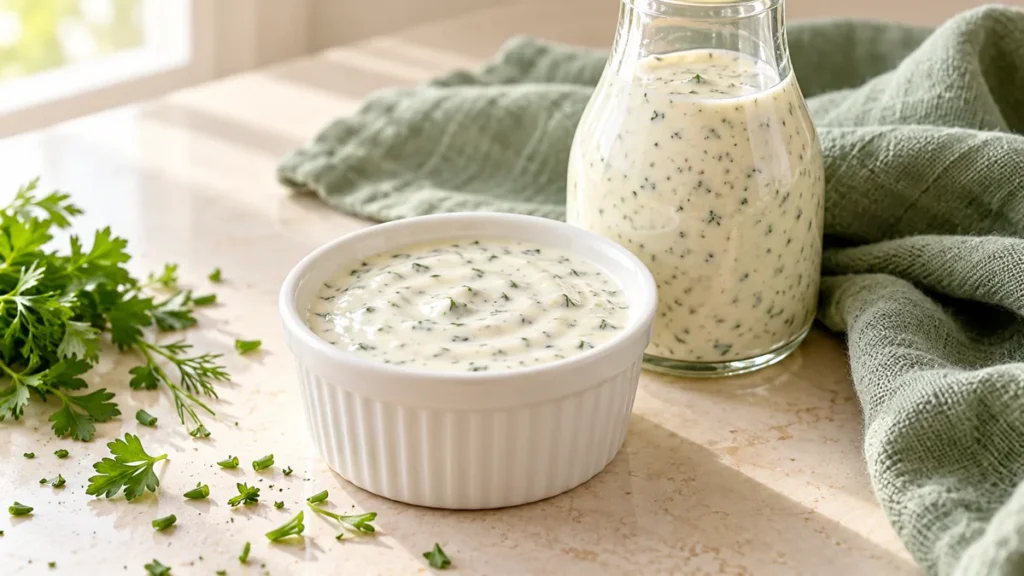
Do not offer ranch dressing as a dog treat. Many recipes contain onion, garlic or chives, as well as rich fat and dairy. A tiny lick is different from a bowl of dressing or a concentrated seasoning packet, so assess the exact product and amount.
Why Ranch Is Unsuitable for Dogs
Ranch is a mixed food, not one standard ingredient. Bottled dressing, homemade dip, dry powder and ranch-flavored chips may have different formulations. Read the actual label rather than assuming they contain identical amounts of onion or garlic.
VCA’s allium toxicity guidance explains that onion, garlic, chives and leeks can damage red blood cells at toxic exposures. Powders are concentrated forms and may be distributed throughout the dressing. Removing visible herb pieces does not remove the concern.
Ranch Products Compared
| Form or situation | Decision |
|---|---|
| Bottled ranch dressing | Do not share; check the full label after ingestion. |
| Homemade ranch | Use the actual recipe, including onion, garlic and chives. |
| Dry ranch seasoning packet | A concentrated product; report the amount and ingredients promptly. |
| Ranch-flavored chips or crackers | Assess seasoning, salt, fat and the quantity eaten. |
| Ranch dip with dairy | Dairy and richness add digestive concerns. |
| Carrot or lettuce dipped in ranch | The vegetable does not cancel out the dressing. |
Fat, Salt and Dairy
Even an allium-free recipe is not automatically a useful dog snack. Rich dressing can upset the stomach, and dairy may be poorly tolerated by some dogs. Salt and calories also matter, particularly for a dog with medical restrictions.
Do not use ranch to improve the taste of regular food or hide medication without discussing a suitable alternative. A recurring spoonful can become a substantial extra, and a dog with reduced appetite may need assessment rather than a richer topping.
My Dog Licked Ranch: What Should I Do?
Prevent more access and save the container or recipe. Estimate the amount, record the time and note your dog’s weight and health conditions. Check whether onion, garlic or chives are listed, and whether a packet, lid or wrapper was also swallowed.
Contact your veterinarian or animal poison service for a product-specific assessment if alliums are present, the amount is uncertain or substantial, or symptoms occur. Pet Poison Helpline’s garlic information describes why the amount and animal matter. Do not invent a safe threshold from a generic spoon count.
A lick does not automatically mean severe poisoning. Equally, a dog appearing normal immediately afterward does not rule out a delayed problem. Describe the exposure accurately and let the professional decide what observation or care is needed.
Signs That Need Prompt Care
Repeated vomiting, abdominal pain, diarrhea, poor appetite, unusual tiredness or weakness needs veterinary assessment. Pale gums, breathing changes or dark urine after a suspected allium exposure are especially concerning. Collapse or difficulty breathing requires emergency care.
Do not induce vomiting or give salt, oil, milk or another home antidote. Do not wait for every possible sign to appear before calling. Keep the product available so the professional can review ingredients.
A Better Way to Share a Vegetable Snack
Set aside a small suitable plain portion before adding dressing to the human plate. Wash and cut it appropriately, offer it separately and keep the dip out of reach. If the dog does not want the plain vegetable, use its usual reward instead.
Give guests a clear instruction to avoid dips and seasoned leftovers. Clearing low tables and securing trash often prevents repeat exposure more effectively than trying to supervise every dropped bite.
Frequently Asked Questions
Can dogs eat ranch without garlic?
Check the entire recipe for onion, chives, fat, dairy and other additions. It still has little value as a planned dog treat.
Can dogs eat ranch seasoning powder?
Do not offer it. Concentrated seasoning is a separate exposure and needs ingredient-specific advice if swallowed.
Can dogs eat carrots with ranch?
Offer a suitable plain carrot portion instead. A safe vegetable does not make its dressing suitable.
Is homemade ranch safer?
Only the actual ingredients and amount tell you what the exposure was. Homemade does not automatically mean dog-safe.
Related feeding guides
Plain lettuce is different from a dressed salad. Read our onion and garlic guide for the ingredient concern.
Sources