Can Dogs Eat Scallops? Cooked Meat, Shells and Sauces
Some healthy dogs can eat a small piece of plain, thoroughly cooked scallop meat. Remove all shell material and...
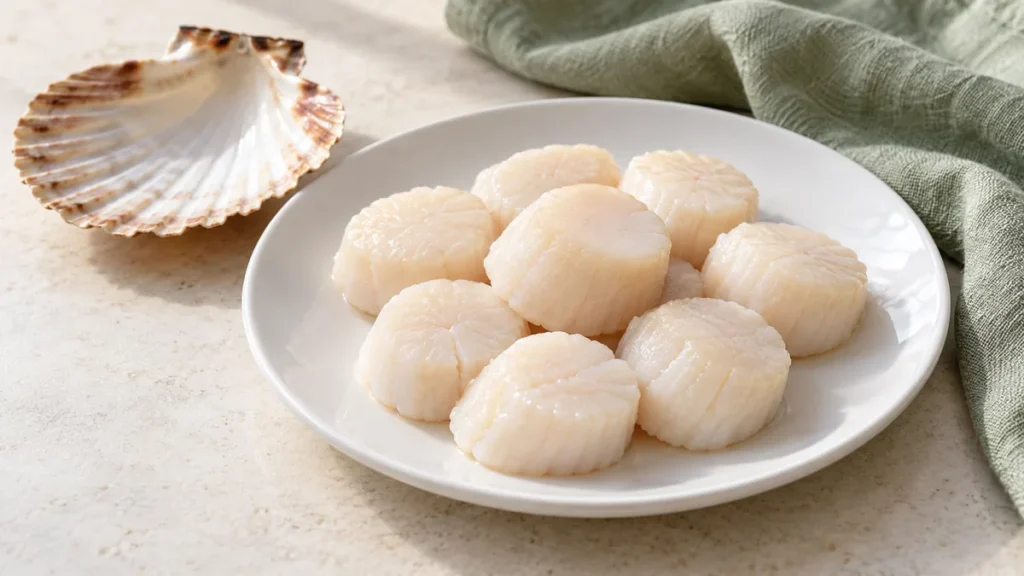
Some healthy dogs can eat a small piece of plain, thoroughly cooked scallop meat. Remove all shell material and cut the meat into manageable pieces. Raw shellfish, beach finds and restaurant scallops in butter or sauce need a different assessment.
Are Scallops Toxic to Dogs?
Hepper’s veterinarian-reviewed scallop guide distinguishes plain scallop meat from the concerns surrounding its preparation. A suitable small treat is not a nutritional requirement, and a dog does not need expensive seafood to have a complete diet.
Use a known food product from a reputable supplier. Do not offer a scallop or shellfish found on a beach, or food subject to a relevant recall or harvesting advisory. Cooking is not a universal solution to contamination.
How to Prepare a Plain Scallop Portion
Choose unseasoned edible meat, inspect it for hard fragments and cook without butter, oil, salt or sauces. FoodSafety.gov says scallops should become pearly or white and opaque. Let the meat cool, then cut a small piece for the dog.
The round shape and firm texture make a whole scallop easy for a dog to gulp. Do not use it as a large chew. If your dog swallows treats without chewing, select a more manageable reward rather than trying to make scallops work.
Scallop Dishes Compared
| Form or situation | Decision |
|---|---|
| Plain fully cooked meat | A tiny occasional portion may suit an appropriate dog. |
| Raw or undercooked scallop | Avoid: raw shellfish can carry pathogens. |
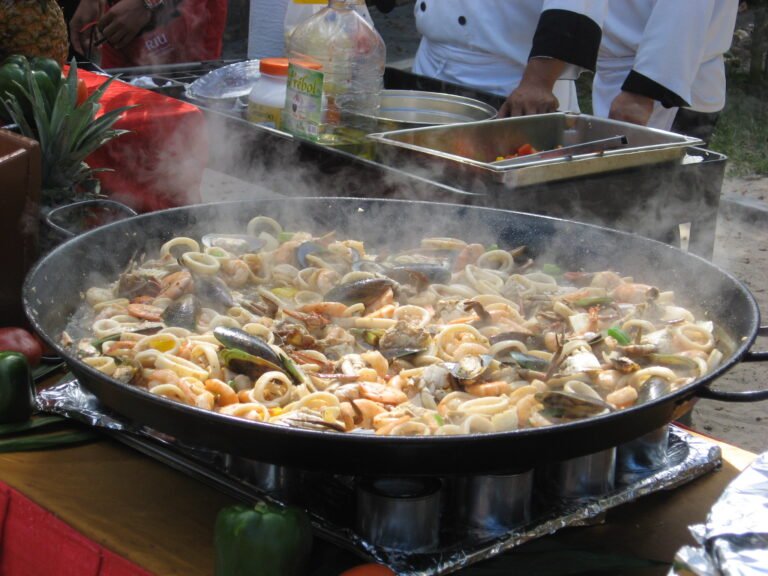
| Garlic-butter scallop | Do not share; the sauce adds a separate exposure concern. |
| Bacon-wrapped scallop | Processed meat, fat and any skewer change the assessment. |
| Breaded or fried scallop | Skip the rich coating and added salt. |
| Scallop shell or beach find | Never offer shells or unidentified marine scraps. |
Cooking Does Not Remove Every Marine Toxin
Certain shellfish toxins survive cooking and freezing. FDA’s explanation of paralytic shellfish toxins describes this principle in a specific historical advisory. It is not evidence that every current scallop product is recalled; it explains why safe sourcing and relevant advisories still matter.
Do not boil a questionable beach find and assume it is now safe for a pet. If a dog eats unidentified marine material, report the location and what was seen to the veterinary team. A photograph may help, but should not delay the call.
Portions, Sensitivities and Medical Diets
Start with only a small taste if the veterinarian agrees it fits the dog’s diet. Keep it occasional and count it alongside other extras. There is no universal “one scallop per dog” portion, because scallop and dog sizes vary considerably.
Avoid experimenting for a dog on an elimination or prescribed diet, or one with a history of reactions to seafood. Do not add scallops to treat a suspected nutrient deficiency. A complete feeding plan is the proper starting point.
What If My Dog Ate Scallops?
Record whether the meat was raw, cooked, seasoned or a beach find. Save the package or recipe, estimate the amount and report shells, skewers and wrappers separately. Contact veterinary help for a concerning ingredient, swallowed shell, large uncertain amount or symptoms.
Breathing trouble, collapse, severe weakness or neurological signs need emergency care. Repeated vomiting, abdominal pain, swelling or difficulty swallowing also warrants prompt assessment. Do not induce vomiting or give an improvised antidote.
Frequently Asked Questions
Can dogs eat scallop shells?
No. Shells are hard foreign material and can cause injury, choking or obstruction.
Are seared scallops plain?
Not necessarily. Restaurant searing often uses butter, oil, salt or sauces, and the center may be undercooked. Confirm the complete preparation.
Can puppies have scallops?
Ask before offering seafood and keep any approved portion tiny. Puppies do not need scallops added to a complete growth diet.
Related feeding guides
Shrimp preparation has its own shell and tail checks. See our meat and fish guide.
Sources