Can Dogs Eat Tuna? Mercury and Canned-Fish Choices
Tuna is not a good routine treat for dogs because mercury exposure and the product’s preparation need consideration. If...
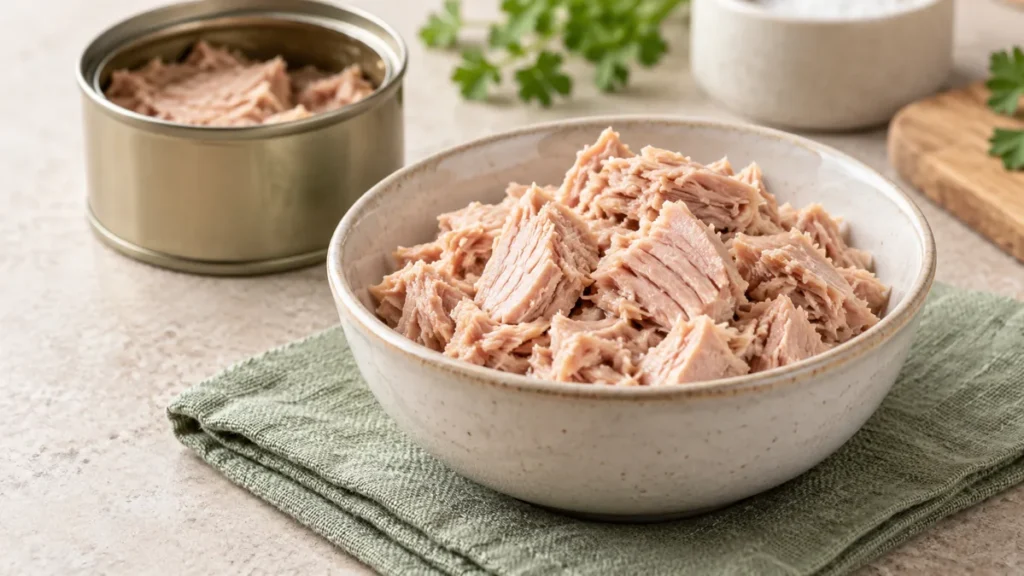
Tuna is not a good routine treat for dogs because mercury exposure and the product’s preparation need consideration. If you want to offer fish, discuss a suitable option with your veterinary team rather than turning a can of tuna into a regular meal topper.
The AKC tuna guide highlights mercury concerns, particularly for large, long-lived tuna species, and the additional questions raised by raw fish and canned formulations.
Can Dogs Eat Tuna as a Regular Food?
A small accidental taste and repeated planned feeding are different situations. Neither can be assessed from the word tuna alone. The species, amount, frequency, other ingredients and dog’s health all belong in the discussion.
Do not interpret tuna’s protein content as a reason to replace complete dog food with it. A food can supply protein without providing the entire nutritional balance a dog needs.
Read a Canned-Tuna Label Carefully
| Label detail | Why to look |
|---|---|
| Species or product type | White/albacore and light/skipjack are not identical choices. |
| Packing liquid | Water, oil and brine describe different products. |
| Added ingredients | Seasoning and flavorings change the whole serving. |
| Serving size | The label’s serving may not mean the entire can. |
The AKC describes light or skipjack packed in water without added salt or seasoning as a preferable formulation if a small amount is occasionally offered, while still cautioning about tuna. That is not a recommendation for daily feeding.
Keep the actual can if you need advice after ingestion. Tell the veterinary team how much was eaten and whether the dog also had access to the lid, packaging or other food.
Raw Tuna Is a Different Preparation
The AKC fish guide recommends fully cooked, unseasoned, boneless preparations and avoiding species prone to high mercury levels. A raw sushi item may also include sauces and other ingredients that need their own check.
For planned feeding, choose a known suitable preparation rather than assuming raw fish is appropriate because people eat it. After a concerning exposure, describe the specific dish and source to your veterinarian.
Do Not Use Tuna to Design a Homemade Diet
The FDA explains the role of a nutritional adequacy statement on complete pet food. A human-food can does not replace that assessment.
If your dog is reluctant to eat, ask the veterinary team about the appetite change rather than repeatedly adding a stronger-smelling topping. Bring a record of the main food, extras and how long the change has been happening.
What to Do After an Accidental Taste
Identify the product and amount, check for added ingredients and observe whether anything else was swallowed. Contact your veterinarian if you are unsure about the exposure, the quantity is substantial, or the dog has concerning signs or dietary restrictions.
Do not assume every taste of plain tuna means mercury poisoning, and do not use that reassurance to establish a routine serving. An exposure assessment and a long-term feeding choice answer different questions.
Frequently Asked Questions
Is tuna in a complete dog food the same as a human-food topper?
No. A complete formula is evaluated as a whole. Discuss the exact dog-food product with your veterinary team instead of judging it by the tuna ingredient alone.
Can I give tuna salad?
Evaluate the full recipe. Onion, seasoning and other ingredients can change the situation; do not assess only the fish.
Which other seafood information is available?
Our shrimp guide covers a different seafood preparation. Our veterinary-help guide explains when an individual feeding question needs professional advice.
Sources