Can Dogs Eat Almonds? Whole Nuts, Coatings and Risks
Dogs should not be offered almonds as a treat. Ordinary sweet almonds are not inherently poisonous, but their shape,...
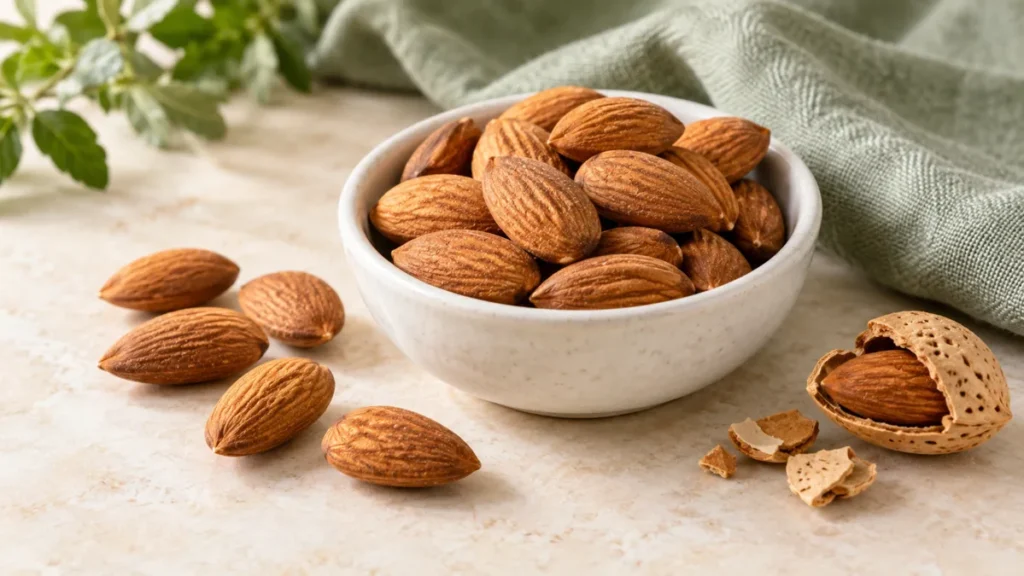
Dogs should not be offered almonds as a treat. Ordinary sweet almonds are not inherently poisonous, but their shape, fat content and preparation make them an unnecessary risk. An accidental plain almond and a bag of chocolate-covered almonds need different assessments.
Are Almonds Toxic to Dogs?
ASPCA Poison Control distinguishes sweet almonds from bitter almonds. Sweet almonds sold as food in the United States can still cause digestive illness. Bitter almonds contain a cyanide compound and are a separate poisoning concern. If the type is unknown, describe that uncertainty when seeking advice.
The useful question is therefore more specific than whether an almond is “toxic.” Was it a whole nut, what was on it, and how much could the dog have swallowed? A nonpoisonous food can still cause a physical obstruction.
Why Whole Almonds Are a Poor Dog Treat
The AKC almond guide highlights choking, blockage and gastrointestinal problems. A small dog or a dog that gulps food may swallow a whole nut rather than chew it. Removing the shell does not make a whole almond an ideal training reward.
The fat in nuts can also cause stomach upset and may contribute to pancreatitis in susceptible dogs. Do not test tolerance by offering a handful. A dog with a history of pancreatitis or a prescribed diet needs an individually approved treat plan.
Raw, Roasted, Salted and Chocolate-Covered Almonds
| Form or situation | Decision |
|---|---|
| Plain sweet almond | Not an appropriate planned treat; assess accidental ingestion by amount and dog size. |
| Dry-roasted or sliced | Roasting and slicing do not remove the fat or make unlimited portions suitable. |
| Salted, smoked or seasoned | Check the complete ingredient list; salt and seasonings add concerns. |
| Chocolate-covered or sweetened | Assess the coating immediately; chocolate and xylitol require prompt professional advice. |
| Shells or unidentified bitter almonds | Contact veterinary help rather than treating this as an ordinary snack. |
What If My Dog Ate Almonds?
Remove the remaining food and keep the package. Note your dog’s approximate weight, the time, the likely amount, whether shells were involved and the complete ingredients. If several nuts, an unknown quantity or a concerning coating were eaten, call your veterinarian or animal poison control promptly.
Trouble breathing, collapse or apparent choking needs emergency care. Repeated vomiting, marked discomfort, lethargy or loss of appetite also warrants veterinary attention. Do not assume a blockage will be obvious immediately, and do not induce vomiting or give a home antidote unless a professional instructs you.
Almond Butter, Milk and Flour Need Separate Checks
A processed almond product is not the same exposure as a whole nut. Bring its actual label to the assessment: spreads, drinks and baked goods may contain sweeteners or other ingredients. “Dairy-free,” “natural” and “organic” do not establish suitability for a dog.
For planned feeding, there is little reason to choose almond products over a familiar, appropriate treat. If an almond ingredient appears in a formulated pet product, ask about that complete product rather than transferring a warning about loose whole nuts to every ingredient list.
Frequently Asked Questions
Can puppies eat almonds?
Do not use whole almonds as puppy treats. Choose rewards suitable for the puppy’s size and growth diet, and ask the veterinary team before adding unfamiliar foods.
Is one dropped almond always an emergency?
One plain sweet almond is not automatically poisoning. Check the product, dog size and symptoms; call if there is uncertainty, choking, a concerning coating or illness. That distinction is not a recommendation to feed almonds.
Should I give bread to push an almond through?
No. Do not attempt to manage a suspected obstruction with food or other home methods. Seek veterinary guidance.
Related feeding guides
Pecans pose their own risks. For an alternative preparation, read our peanut butter label guide.
Sources