Can Dogs Eat Pistachios? Shells and Snack Risks
Skip pistachios as a dog treat. The nut itself is not inherently toxic, but a shelled kernel is different...
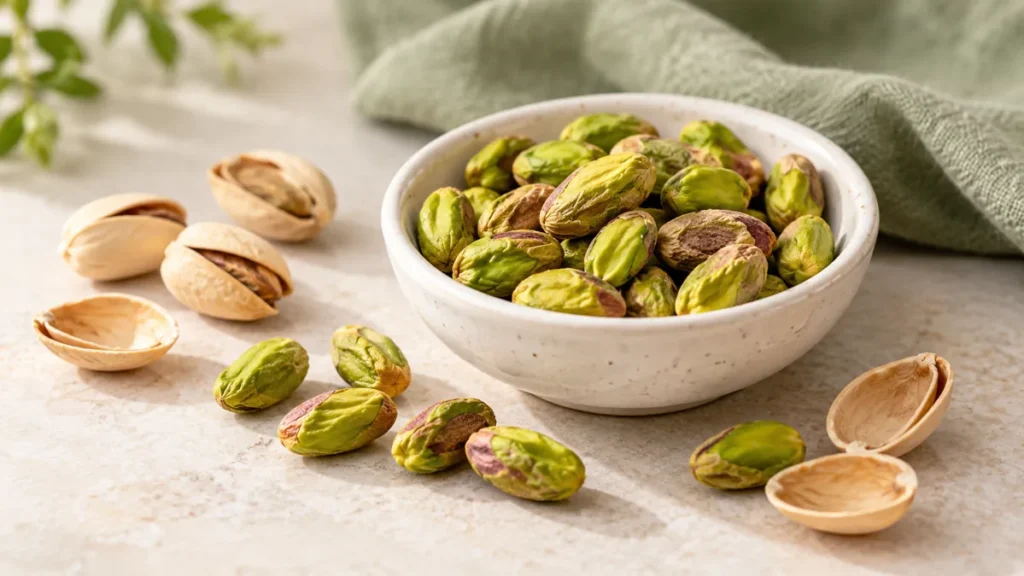
Skip pistachios as a dog treat. The nut itself is not inherently toxic, but a shelled kernel is different from a swallowed shell, a seasoned snack or a moldy discarded handful. Checking those details matters more than a simple yes or no.
Are Pistachios Poisonous to Dogs?
ASPCA Poison Control explains that pistachios are not intrinsically poisonous. Large amounts can still cause digestive upset and possibly pancreatitis. This is a reason to avoid planned feeding, without assuming every dropped kernel is a poisoning emergency.
Pistachio Shells Are a Separate Hazard
The hard shell is not a chew. The AKC pistachio guide warns about choking and swallowed shells. A dog may eat shell halves from the floor or trash even when no nuts remain.
Do not wait to see a shell in the stool before asking for advice. If one may have been swallowed, tell the veterinarian its approximate size, how many are missing and your dog’s size. Symptoms and the exposure details guide the next step.
Which Pistachio Products Should Stay Out of Reach?
| Form or situation | Decision |
|---|---|
| Plain shelled nuts | Avoid as a routine treat; amount and individual tolerance still matter. |
| In-shell pistachios | Both the nuts and discarded shells need secure storage. |
| Salted or chili-flavored nuts | Salt, spices and possible onion or garlic powders change the assessment. |
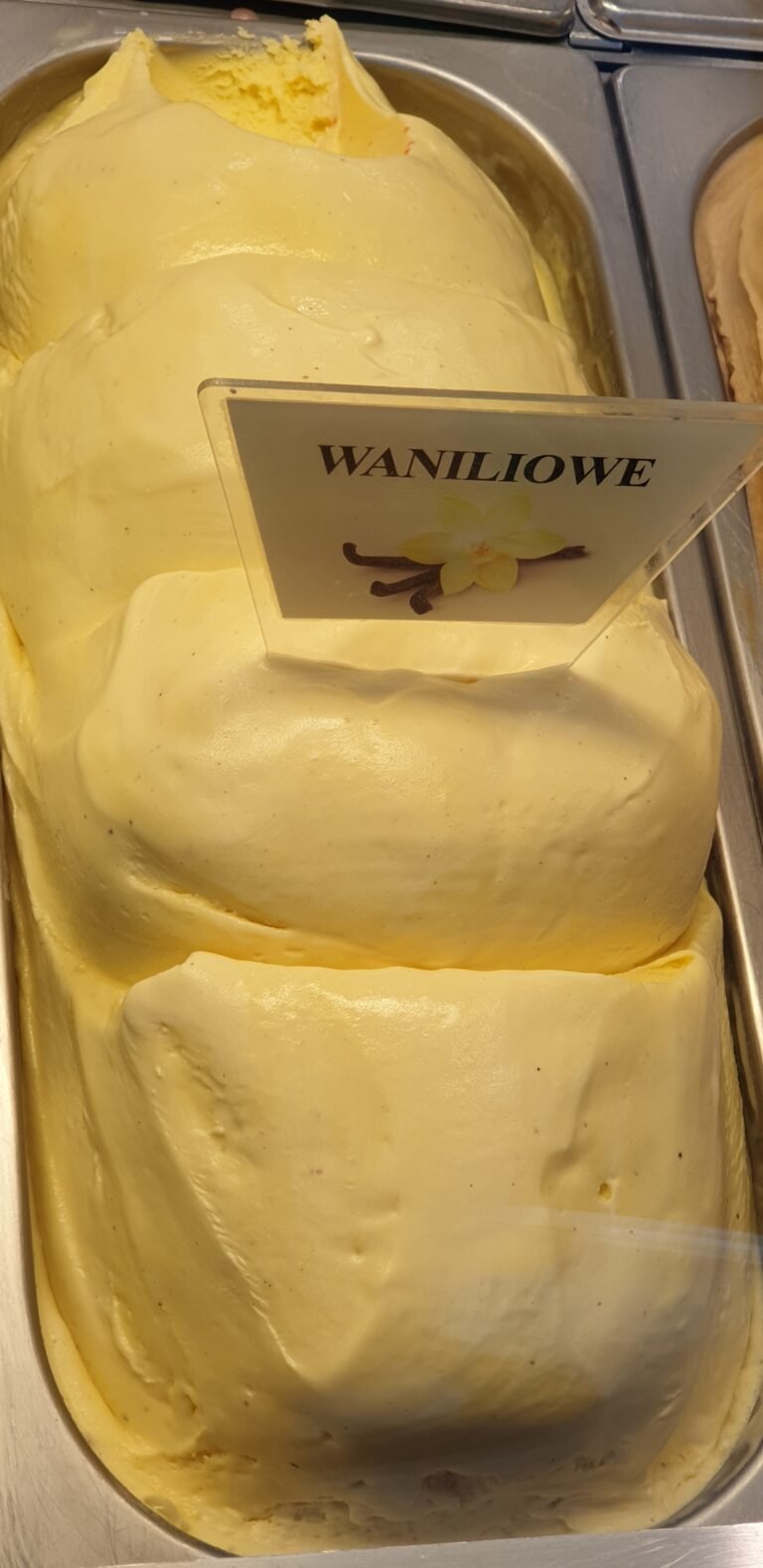
| Pistachio ice cream or desserts | Check the entire recipe, including chocolate, sweeteners and other nuts. |
| Moldy nuts or compost scraps | Seek prompt advice; appearance alone cannot establish which toxins are present. |
Freezing a dessert or roasting a nut does not cancel out its ingredients. A product name such as “pistachio flavor” also does not tell you everything the dog ate. Keep the wrapper or photograph the label, including the ingredient list.
Fat, Portions and Dogs on Special Diets
Pistachios are a concentrated fatty snack. A dog’s ordinary meals already provide dietary fat, so a handful of nuts is not a useful way to improve nutrition. Dogs with previous digestive illness or a restricted diet should not receive experimental snacks.
There is no universal number of pistachios that guarantees safety. Nut size, coatings, shells, the dog’s weight and medical history all matter. Treat a large or uncertain ingestion as a question for the veterinary team rather than an online portion calculation.
If Your Dog Already Ate Pistachios
First prevent further access. Count what is left if practical, identify whether shells were present and record when it happened. Contact your veterinarian if shells, substantial quantities, mold, unsafe ingredients or symptoms are involved.
Breathing difficulty, collapse, tremors or seizures require urgent care. Repeated vomiting, abdominal pain, unusual tiredness or refusal to eat also needs assessment. Do not induce vomiting, give oil or attempt to “flush out” the nuts yourself. Moldy food can cause serious illness, as described in the Merck Veterinary Manual discussion of tremorgenic toxins.
A Simpler Snack Routine
Put a small approved reward in a separate container before opening human snacks. Ask guests to use that container, and clear shells directly into a secure bin. This avoids the common situation where everyone offers a small extra and no one knows the total.
Frequently Asked Questions
Can dogs eat pistachios without shells?
Removing shells removes one hazard, but not the rich fat or added ingredients. They remain a poor choice for planned treats.
Are unsalted pistachios safe for puppies?
Do not use them as puppy rewards. Choose an age-appropriate, easily managed treat instead.
Can I just monitor after a single plain kernel?
A single plain kernel is different from a large in-shell exposure. Check for symptoms and seek individualized advice if unsure; do not extrapolate that observation to repeated feeding.
Related feeding guides
Pecans pose their own risks. For an alternative preparation, read our peanut butter label guide.
Sources