Can Dogs Eat Pork? Plain Meat, Bones and Raw Risks
Dogs can eat a small amount of plain, fully cooked, boneless pork if it fits their diet. Choose a...
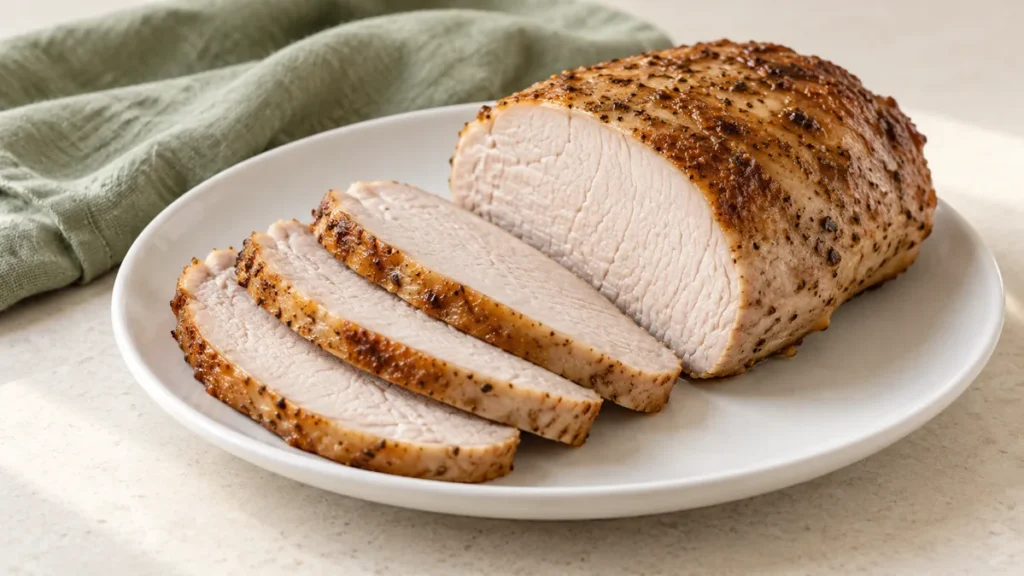
Dogs can eat a small amount of plain, fully cooked, boneless pork if it fits their diet. Choose a lean portion without sauces or seasoning. Raw pork, pork bones, bacon and cured ham raise different concerns and should not be treated as interchangeable.
What Makes Pork Suitable for a Dog?
AKC’s pork guide supports plain cooked meat while warning about raw pork, bones and processed products. For an occasional taste, the easiest preparation is a lean piece cooked separately from the human recipe.
Trim visible excess fat, remove every bone and cut the cooled meat into manageable pieces. Do not use leftover gravy to make it more appealing. If you cannot confirm how the meat was prepared, use your dog’s usual reward instead.
Cooking Pork: Temperature Matters
For whole pork steaks, chops and roasts, FoodSafety.gov lists 145°F followed by a three-minute rest. Ground pork needs 160°F. Use a food thermometer rather than judging doneness from the outside color. These are food-safety cooking rules, not instructions to create a complete dog diet.
Keep raw utensils and juices away from cooked food. Wash hands and preparation surfaces, and do not allow the dog to lick the raw-meat tray while you cook. A small plain cooked portion is simpler to control than scraps from several stages of preparation.
Pork Forms Compared
| Form or situation | Decision |
|---|---|
| Lean, cooked, boneless pork | May be an occasional small extra for a suitable dog. |
| Raw or undercooked pork | Avoid: bacteria and parasites are concerns. |
| Ground pork | Cook fully to 160°F; omit seasonings and excess fat. |
| Ribs, chops with bones or hocks | Remove all bones; never offer the bone as a chew. |
| Bacon, ham or sausage | Salt, fat, curing and ingredients make these different products. |
| Pulled pork or barbecue leftovers | Sauces, rubs and marinades need a complete ingredient check. |
Why Raw Pork Is Not a Safer Natural Choice
Raw meat can contain pathogens even when it looks fresh. FDA guidance on raw pet food explains the risks to pets and people handling it. Freezing at home is not a reliable replacement for safe cooking and handling.
If your dog steals raw pork, record the amount and when it happened, and ask the veterinarian what observation or assessment is needed. Do not feed more raw meat to “get the stomach used to it.”
Portions and Special Diets
Pork should remain a small extra unless it is part of a professionally formulated complete diet. A bowl of pork and rice is not automatically balanced, and adding more meat to an already complete food is not necessarily an improvement.
Ask before feeding pork to a dog with pancreatitis history, a fat restriction, an elimination diet or suspected food allergy. If the dog has vomiting or diarrhea, do not introduce a new protein as a home treatment. The veterinary team can recommend an appropriate feeding plan.
After a Stolen Pork Meal
Save the recipe or package and check for onion, garlic, bones, skewers and wrappers. Report the dog’s weight, the likely amount and any symptoms. Contact veterinary help promptly after bone ingestion, a concerning ingredient or a large uncertain meal.
Breathing difficulty, collapse or severe distress needs emergency care. Repeated vomiting, abdominal pain or unusual weakness also warrants assessment. Do not induce vomiting or give bread to push a bone through.
Frequently Asked Questions
Can dogs eat cooked pork fat?
Do not offer fatty trimmings. They are a rich extra and may cause digestive problems, particularly in susceptible dogs.
Can dogs eat pork crackling or rinds?
Skip them. Fried, salty or seasoned crackling is different from lean plain meat.
Is pork in complete dog food bad?
An ingredient in a balanced canine formula is different from loose table scraps. Judge the complete product and the individual dog’s needs.
Related feeding guides
Compare meat and fish preparation, or read our ham guide for cured products.
Sources