Can Dogs Eat Walnuts? Fresh, Moldy and Fallen Nuts
Do not offer walnuts as dog treats. A plain grocery-store English walnut is not the same exposure as a...
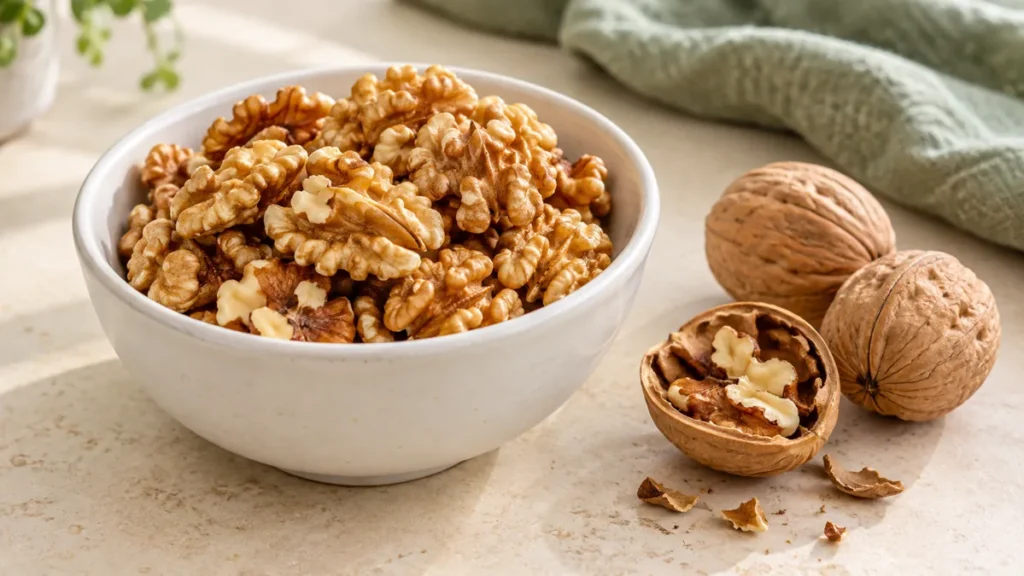
Do not offer walnuts as dog treats. A plain grocery-store English walnut is not the same exposure as a moldy nut found outdoors, but neither is a good planned reward. Shells, coatings and the amount swallowed all affect the risk.
English Walnuts and Black Walnuts Are Different
English walnuts are the type commonly sold in grocery stores. The AKC walnut guide advises avoiding walnuts because of fat, choking and other concerns. Black walnuts and unidentified nuts found under trees should not be treated as equivalent to fresh shelled grocery products.
If the dog ate a fallen walnut, report where it came from and whether the hull or shell was swallowed. You do not need to identify the tree perfectly before calling. A photo of the nut and tree may help the professional, but do not delay care to obtain one.
Why Moldy Walnuts Need Prompt Attention
Mold can produce toxins in walnuts and other foods. The Merck Veterinary Manual describes tremorgenic mycotoxicosis, which can cause neurological signs in dogs after access to moldy food or compost. Visible mold is a warning; a quick look is not a reliable clearance test.
Do not trim a spoiled nut and give the remainder to the dog. Keep garden waste, compost and old nuts inaccessible. Suspected ingestion of moldy nuts warrants prompt veterinary advice even if the dog initially seems normal.
Common Walnut Exposures
| Form or situation | Decision |
|---|---|
| Fresh shelled English walnut | Avoid planned feeding; assess an accidental bite by amount and dog size. |
| Whole nut with shell | Possible choking or obstruction needs professional advice. |
| Black or unidentified fallen walnut | Call promptly; report the tree, hull and possible mold. |
| Old, damp or moldy nuts | Potential toxin exposure; do not wait for neurological signs. |
| Walnut brownies or trail mix | Assess chocolate, raisins, other nuts and sweeteners as separate hazards. |
Fat and Physical Hazards Still Matter
Even a fresh walnut can be a poor choice. A dog may gulp a large piece, and shells are hard, inedible material. Nuts are also rich in oils and can cause gastrointestinal upset; fatty foods may contribute to pancreatitis in susceptible dogs.
Do not compare the human serving printed on a packet with a dog’s treat allowance. A handful that seems modest to a person may be a large extra for a small dog. There are easier rewards to portion and prepare.
What to Tell the Veterinarian
Gather the approximate weight of your dog, the time of exposure, the number of missing nuts and whether shells or hulls were present. Save the wrapper for packaged food. For a yard exposure, describe whether nuts were fresh, wet, old or visibly moldy.
Tremors, seizures, loss of balance, collapse or breathing difficulty need emergency attention. Repeated vomiting, pain or unusual weakness also warrants urgent assessment. Do not induce vomiting or give a home antidote; follow the veterinary professional’s instructions.
Preventing Repeat Access Outdoors
Check beneath nut trees before allowing a scavenging dog to roam. Use a supervised route or barrier while fallen material is cleared. The goal is to prevent swallowing rather than to rely on the dog dropping an appealing object every time.
Indoors, empty snack bowls into sealed storage and secure the trash after baking. Teach family members that a nut-containing dessert needs a full ingredient check, not only a walnut count.
Frequently Asked Questions
Does one fresh walnut always cause poisoning?
No. Fresh English walnuts and moldy or unidentified nuts are different situations. Still check shells and coatings, and seek advice if the amount, product or symptoms are concerning.
Can dogs eat walnut shells?
No. Shells are a physical hazard and should never be offered as a chew.
Does roasting make a moldy walnut safe?
Do not rely on home cooking to rescue moldy food. Dispose of it securely and seek advice if your dog already ate it.
Related feeding guides
Pecans pose their own risks. For an alternative preparation, read our peanut butter label guide.
Sources