Can Dogs Eat Bacon? Fat, Salt and Stolen Scraps
Bacon is best avoided as a planned dog treat. It is a rich, salty processed meat, and grease or...
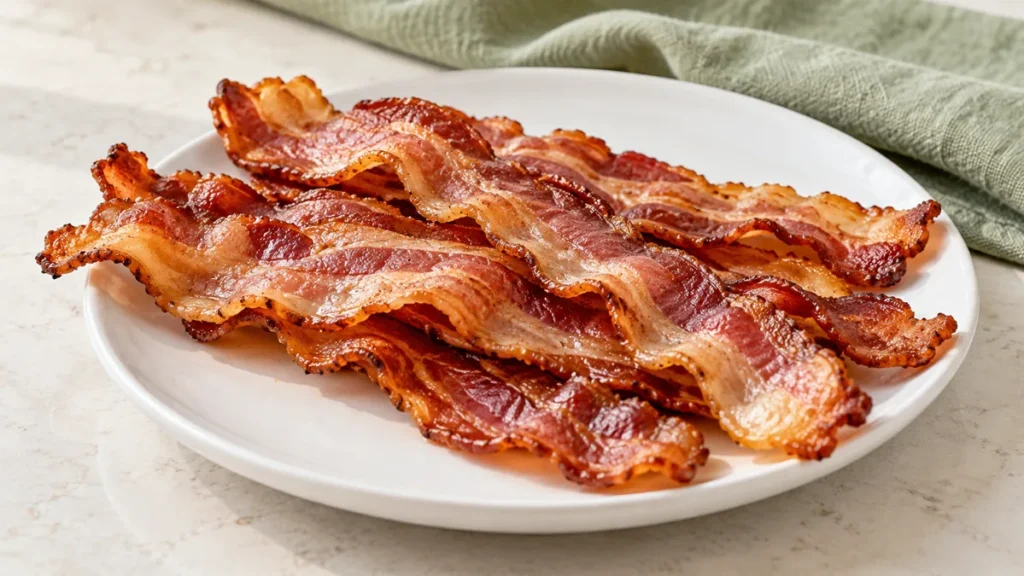
Bacon is best avoided as a planned dog treat. It is a rich, salty processed meat, and grease or seasoning adds concerns. A single dropped crumb is different from a dog eating an entire package, so assess the actual exposure rather than assuming every bite has the same outcome.
Why Bacon Is Not a Good Regular Reward
The AKC pork guide advises against bacon and other processed pork treats. The fat and salt make it less suitable than a small portion of an appropriate plain food. Dogs do not need bacon to receive enough protein.
A tempting aroma is not a reason to make a food routine. When several family members offer a strip or scraps, the total can become substantial. Set a household rule so that “just a little” is not repeated throughout the day.
Fatty Food and Digestive Illness
A rich snack can cause vomiting or diarrhea and may contribute to pancreatitis in susceptible dogs. VCA’s pancreatitis guidance describes this painful condition and the importance of veterinary assessment. Do not diagnose it from symptoms alone or assume that a dog that previously tolerated bacon will always tolerate it.
Dogs with a prior episode, a prescribed low-fat diet or ongoing digestive signs should not receive bacon as an experiment. Ask for a treat that fits the existing medical plan instead.
Bacon Products Are Not Interchangeable
| Form or situation | Decision |
|---|---|
| Cooked bacon strips | Salty, fatty processed food; skip routine feeding. |
| Raw bacon | Adds raw-meat food-safety concerns. |
| Bacon grease | Do not pour onto meals or use as a digestive remedy. |
| Turkey bacon | Still a processed product; inspect salt, fat and seasoning. |
| Bacon bits or flavored snacks | The ingredient list matters more than the flavor name. |
| Bacon-wrapped foods | Check both the bacon and the food inside, including bones or skewers. |
What If My Dog Ate Bacon?
Prevent further access and note the type, approximate amount and time. Keep the packaging and report your dog’s weight and health history. A call is especially appropriate after a large or uncertain amount, raw bacon, grease, packaging or a concerning recipe.
Check whether the product or accompanying food contained onion or garlic. Do not wait for illness if a potentially toxic ingredient was involved. The veterinarian or animal poison service can assess the ingredient quantity in context.
Repeated vomiting, marked lethargy, abdominal pain or refusal to eat needs prompt veterinary attention. Collapse, breathing difficulty or severe distress needs emergency care. Do not induce vomiting, force food or give home treatments without instructions.
Raw Bacon and Kitchen Hygiene
Curing does not justify letting a dog eat uncooked bacon. FDA raw-food guidance explains that raw animal products can expose pets and people to pathogens. Keep the raw packet, tray and used utensils away from pets.
Secure the cooling rack and grease container as well as the trash. Dogs may find a pan of cooled grease just as appealing as meat. Clean spills promptly and use a bin the dog cannot open.
Choosing a Better Reward
Use the dog’s regular kibble or an approved treat in a size suited to the task. For a medication reward, ask the prescribing team what food works with the dog’s diet. A tiny training reward should be easy to count, not a fatty leftover of uncertain size.
Frequently Asked Questions
Can dogs eat crispy bacon?
Crispness does not remove salt or make the food a suitable routine treat. Hard fragments may also be swallowed quickly.
Is one piece of bacon poisonous?
Plain bacon is not automatically a poisoning event. Amount, dog size, health and ingredients determine the concern; symptoms or a substantial ingestion need advice.
Can puppies have bacon?
Choose a suitable puppy reward instead. Salty processed scraps add little value to a complete growth diet.
Is bacon-flavored dog food the same thing?
No. A formulated canine food is assessed as a complete product. A flavor name does not establish its ingredients or nutritional adequacy.
Related feeding guides
Plain pork preparation differs from bacon. Also compare ham and cured meat.
Sources